
Light Requirements
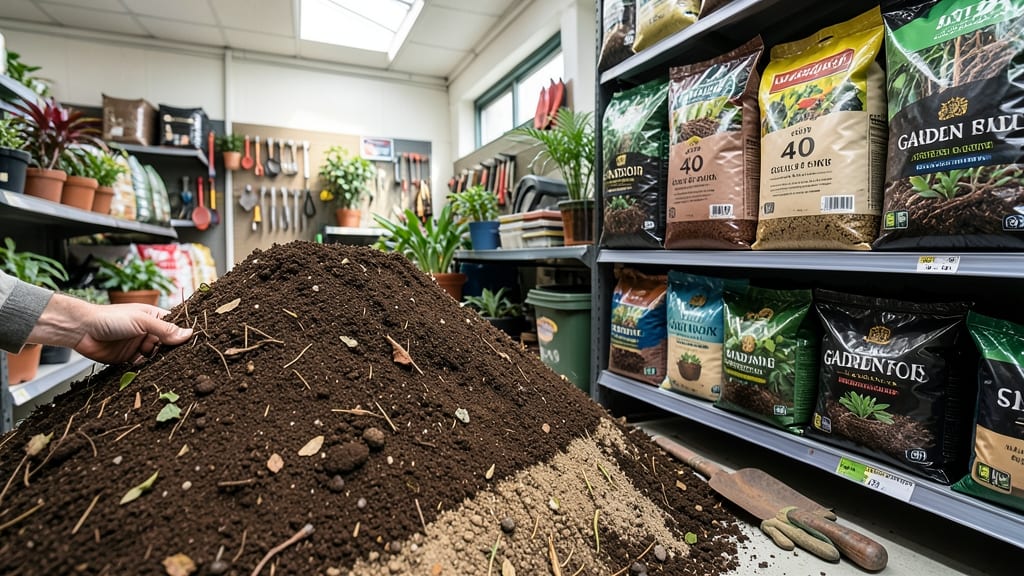
Garden soil pricing depends on type and quantity, with standard potting mix costing $2 to $6 per 2-cubic-foot bag and topsoil averaging $10 to $30 per cubic yard when delivered. Organic or specialty mixes can reach $10 per bag or $40 per yard, while bulk purchases and local suppliers often provide discounts.
Pricing for garden soil shifts based on composition and volume—organic mixes with compost or worm castings cost more due to processing, while synthetic blends stay budget-friendly. 🌱 For large projects, buying loose topsoil by the cubic yard cuts costs significantly compared to pre-bagged options.
I always check local nurseries first, as their bulk discounts can save 20-30% over big-box stores. Seasonal sales after spring planting also slash prices for gardeners willing to plan ahead.
Another key factor is delivery fees: many suppliers charge extra for truckloads, making smaller, frequent orders more expensive than one large bulk purchase. If you're tackling a big yard, calling ahead to confirm delivery minimums can prevent surprise charges. For smaller needs, pre-mixed bags offer convenience without the bulk commitment.
💡 In This Article
- Factors Affecting Garden Soil Pricing
- Best Ways to Buy Garden Soil for Budget Savings
Factors affecting garden soil pricing
The foundation of soil pricing lies in its composition. Organic mixes—packed with compost, worm castings, or aged manure—cost more because these ingredients require time and labor to process.
For example, a 2-cubic-foot bag of organic potting mix with 30% compost might run $6-$8, while synthetic blends with peat moss or coconut coir stay under $4. The difference? Organic matter improves water retention and microbial activity, but its production is labor-intensive. 🌱
Nutrient content also drives costs. Soil blends enriched with slow-release fertilizers or mycorrhizal fungi (beneficial root fungi) can cost 20-50% more than basic mixes. Take topsoil with 5% organic matter—common in urban areas—versus premium topsoil with 10%+ organic matter, which may double in price.
Certification standards (like USDA Organic) add another layer, as suppliers must meet stricter testing and sourcing rules.
Regional availability plays a huge role too. In drought-prone areas, peat moss (a key component in many mixes) becomes scarce, pushing prices up. Alternatively, regions with abundant compost sources—like agricultural communities—often offer cheaper organic soil.
Delivery fees further complicate pricing: a 10-cubic-yard load of topsoil might cost $150-$250 delivered, but $100-$150 if you pick it up. Seasonal demand spikes in spring, when gardeners rush to plant, causing prices to inflate by 10-20%. 💰
Supplier markup varies wildly. Big-box stores like Home Depot or Lowe’s charge more for convenience, while local nurseries or bulk suppliers often undercut them. For instance, a 2-cubic-foot bag at a home center might cost $5.50, but the same bag at a local farm could be $4.50.
Even the bag material matters—heavy-duty bags add $0.50-$1 per bag to production costs, which suppliers pass on to you.
Don’t overlook hidden costs like amendments. A "premium" soil mix might include lime, gypsum, or sulfur to adjust pH, adding $1-$3 per bag.
These additives ensure the soil works right out of the bag, but they’re optional—you could achieve the same results by testing your soil first and amending it yourself. For example, adding 1 cup of pelletized lime per 100 sq ft can save $5-$10 per bag over pre-treated mixes. 🔍
Finally, consider the long-term value. Cheaper synthetic mixes may last longer in containers, while organic soils break down faster but boost plant health. If you’re growing vegetables, the $2 extra per bag for organic might pay off in higher yields.
For purely decorative plants, the budget blend could suffice. It’s all about matching your needs to your budget—and knowing what you’re paying for. ✨