
Plants
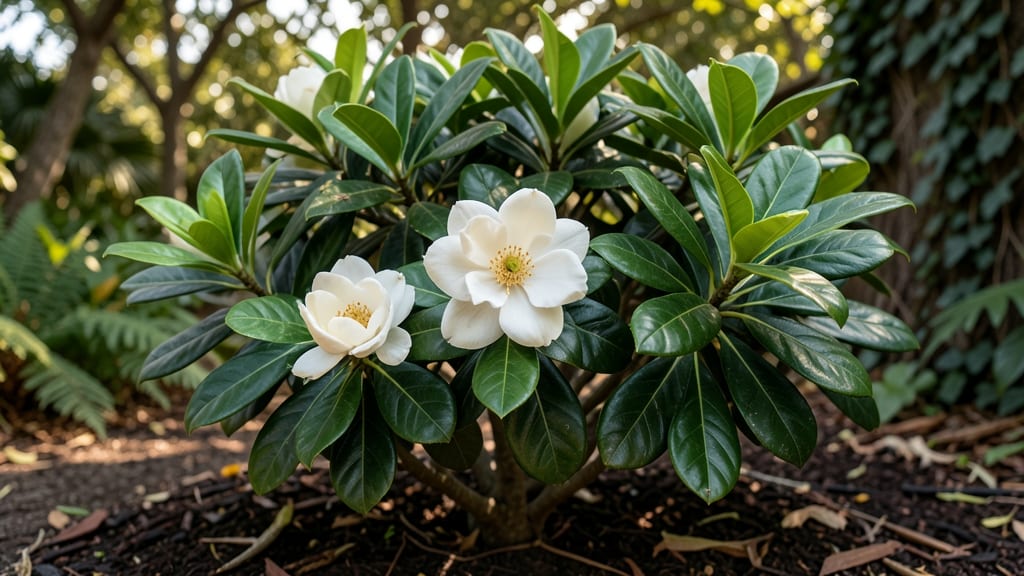
Gardenia plants grow to between 3 and 6 feet tall, depending on the variety and growing conditions — a size that makes them perfect for both small gardens and larger landscapes.
If you're dreaming of fragrant gardenias but wondering whether they’ll fit in your garden—or if they’ll grow into unruly giants—you’re not alone. Some varieties stay compact, while others reach impressive heights, and understanding their growth habits helps you plan your space wisely.
Most gardenias, like the classic Gardenia jasminoides, mature around 4 to 5 feet with a spread of 3 to 4 feet, but dwarf types can stay as short as 2 to 3 feet. Meanwhile, climbing varieties like Gardenia radicans may stretch taller if given support.
In this guide, I’ll break down the mature sizes of popular gardenias, how to manage their growth, and the simple care tips to keep them thriving in your yard.
Gardenia plant size by variety: mature dimensions for popular types
When planning your garden, knowing how big gardenia plants get helps you choose the perfect variety for your space. Gardenias range from compact shrubs perfect for containers to tall specimens that thrive in landscapes.
The most common type, Gardenia jasminoides, typically matures between 3 to 6 feet tall, but some varieties stay under 2 feet—ideal for small gardens or patio pots.
Size isn’t the only factor—growth habits also vary. Some gardenias grow as dense, rounded shrubs, while others have arching branches that spill beautifully over edges. Understanding these differences ensures you pick a gardenia that fits your vision and space constraints without overcrowding other plants.
Here’s a quick comparison to everyday objects: A standard gardenia (like 'Kleim’s Hardy') reaches about 5 feet tall, roughly the height of a standard kitchen countertop. Meanwhile, a dwarf variety (like 'Radicans') stays under 2 feet, perfect for window boxes or small planters.
These comparisons make it easier to visualize how gardenias will look in your garden.
If you’re growing gardenias in containers, opt for dwarf varieties like 'Radicans' or 'Veitchii' to keep them manageable. These types thrive in 10–15 gallon pots and can be moved indoors during colder months.
For outdoor landscapes, taller varieties like 'Kleim’s Hardy' or 'Fortuniana' add height and structure, making them ideal for foundation plantings or mixed borders.
One of my favorite gardenia varieties for small gardens is 'Radicans'—it trails beautifully over hanging baskets and creates a stunning, fragrant display without taking up much space. Its 1–2 foot height makes it perfect for balconies or deck railings, where its cascading branches can spill down gracefully.
For those with larger yards, 'Gardenia augusta' is a showstopper. This variety can grow up to 10 feet tall, making it a statement plant in tropical or subtropical gardens.
Its glossy, dark green leaves and large, fragrant blooms add drama and elegance, but it requires plenty of space to thrive.
When choosing a gardenia, consider not just size but also climate suitability. Most gardenias prefer USDA Zones 7–10, but some cold-hardy varieties like 'Kleim’s Hardy' can tolerate Zone 6 with protection. Always check your local climate zone to ensure your chosen variety will flourish.
Pro tip: If you love the look of gardenias but have limited space, pruning can help control their size. Regular trimming encourages bushier growth and prevents legginess. For example, pinching back new growth in early spring can keep a 'Kleim’s Hardy' gardenia more compact and full.
Whether you're dreaming of a fragrant hedge, a container garden, or a tropical centerpiece, there’s a gardenia variety to fit your needs. By understanding their mature dimensions and growth habits, you can confidently plan your garden layout and enjoy these stunning plants for years to come. 🌸
How gardenia growth habits affect your garden layout
Understanding how gardenias grow is essential for creating a harmonious garden layout. These fragrant shrubs can range from compact 2-foot varieties to towering 6-foot giants, and their growth habits directly impact spacing, pruning needs, and even container choices.
Whether you're working with a small patio or a sprawling backyard, knowing these details helps you design a space where gardenias thrive without crowding other plants.
One of the first decisions you'll face is whether to plant gardenias in the ground or containers. Dwarf varieties like 'Kleim’s Hardy' are ideal for pots or small gardens, while standard types need ample ground space.
Even in containers, gardenias can outgrow their homes quickly—so plan for at least 12-18 inches of space between plants or container edges to allow for airflow and future growth.
- 🌱 Standard Gardenias (4-6 ft): Space 5-6 ft apart in ground; use large containers (18+ inches) if potted.
- 🌿 Dwarf Varieties (2-3 ft): Space 3-4 ft apart; medium containers (12-15 inches) work well.
- ✂️ Climbing Types (e.g., 'Radicans'): Provide trellises or stakes; prune aggressively to control spread.
- 🪴 Container Tips: Use well-draining mix and repot every 2 years to prevent root-bound stress.
Pruning is another critical tool for managing gardenia size. These shrubs naturally grow in a rounded, bushy form, but without guidance, they can become leggy or overgrown. I recommend light pruning in late winter to shape the plant and remove dead or crossing branches.
For taller varieties, topiary techniques can transform them into elegant, controlled shapes—perfect for small gardens or formal landscapes.
If you're working with limited space, consider dwarf or semi-dwarf varieties like 'Fortuniana' or 'Veitchii'. These stay under 3 feet tall and are ideal for borders, window boxes, or even as standalone patio plants.
Pair them with complementary low-growing plants like impatiens or ferns to create a lush, layered look without sacrificing gardenia fragrance.
For gardeners in cooler climates, staking or mulching can help protect gardenias from wind damage and temperature fluctuations. Use organic mulch like pine bark to retain moisture and regulate soil temperature, while stakes provide support for leggy growth.
In containers, elevate pots off the ground to improve drainage and prevent root rot—a common issue with gardenias.
Remember, gardenias grow at a moderate pace, typically adding 6-12 inches per year. Plan accordingly by leaving extra space for future growth, and don’t hesitate to prune aggressively in early spring if your gardenia starts to outgrow its designated area.
With the right layout and care, your gardenias will flourish while keeping your space organized and beautiful. 🌸