
Light Requirements
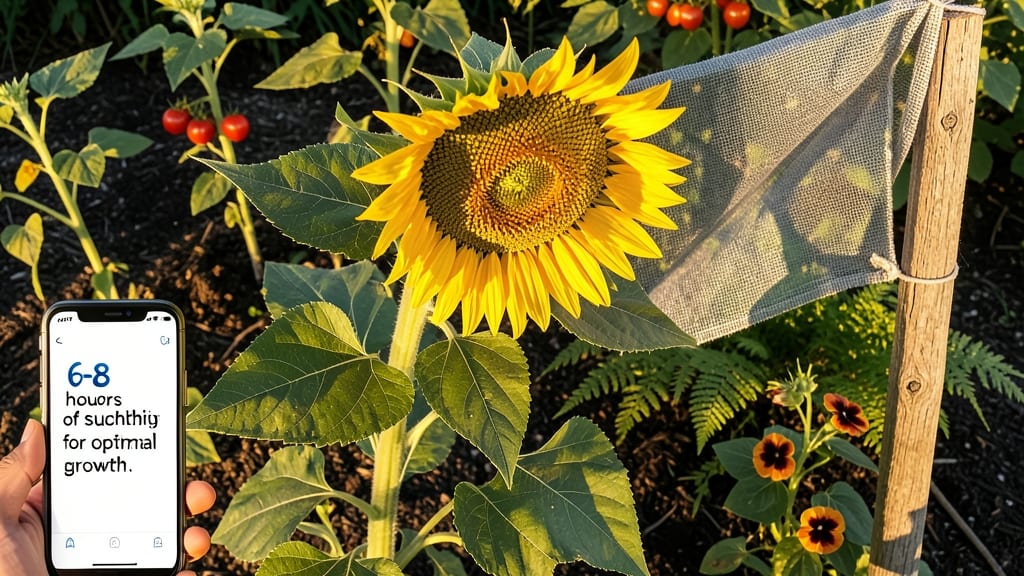
A garden needs between 4 and 8 hours of sunlight daily, depending on what you’re growing—too little stunts growth, while too much can scorch delicate leaves.
Picture this: your tomatoes are thriving in the morning sun, but by afternoon, their leaves are crisping like overcooked chips. That’s a classic case of sunlight mismanagement, and it happens more often than you’d think.
Most vegetables and flowers crave full sun (6+ hours), but shade-loving plants like ferns or hostas can wilt under too much light. The key is matching your garden’s sunlight to the plant’s needs—whether it’s bright morning rays or dappled afternoon shade.
Below, I’ll break down the exact sunlight requirements for your garden, from leafy greens to sun-hungry blooms, plus how to measure and adjust light for peak growth.


Sunlight requirements by plant type: full sun vs. partial shade vs. low light needs
Understanding sunlight requirements is the first step to a thriving garden. Every plant has unique needs—some crave full sun, while others wilt under too much light. The key is matching your garden’s light conditions with the right plants to maximize growth and yield.
Whether you’re growing tomatoes, succulents, or hostas, knowing these categories will transform your gardening success.
Full sun plants need at least 6 hours of direct sunlight daily, partial shade plants thrive with 3-6 hours, and low-light plants survive with under 3 hours.
Misjudging these needs can lead to stunted growth, poor flowering, or even plant death. Let’s break down the categories with real-world examples to help you design the perfect garden layout.
| Plant Type | Sunlight Needs | Examples | Growth Impact |
|---|---|---|---|
| Full Sun | 6+ hours/day | Tomatoes, Peppers, Lavender, Succulents, Marigolds | Maximizes flowering, fruiting, and compact growth |
| Partial Shade | 3-6 hours/day | Basil, Coleus, Impatiens, Ferns, Hydrangeas | Balances growth and prevents leaf scorch |
| Low Light | Under 3 hours/day | Snake Plants, Pothos, Peace Lilies, Hostas, Astilbe | Slows growth but prevents stress in shaded areas |
Full sun plants like tomatoes and peppers produce the most fruit when basking in 6+ hours of sunlight. Without enough light, they’ll grow leggy and produce fewer edible yields.
These plants also benefit from afternoon sun, which helps prevent fungal diseases. If your garden gets intense afternoon heat, consider using shade cloth to protect delicate leaves.
Partial shade plants like basil and coleus strike a balance. They need morning sun to kickstart growth but appreciate afternoon shade to avoid wilting. Placing these near tall plants or under dappled shade from trees can create the perfect microclimate. Too much sun can cause their leaves to bleach or crisp, while too little light reduces their vibrant colors.
Low-light plants are the unsung heroes of shady gardens. Ferns, hostas, and peace lilies thrive in spots where other plants would struggle. These varieties focus energy on root growth rather than foliage, making them ideal for woodland gardens or north-facing beds.
However, even these plants need some light—under 2 hours of indirect light can lead to weak, sparse growth.
Sunlight isn’t just about hours—it’s also about light quality. Morning sun is cooler and gentler, while afternoon sun can be intense. If your garden has west-facing exposure, be cautious with full sun plants, as the late-day heat can stress them.
Use mulch to retain soil moisture and reflective surfaces like white gravel to bounce extra light onto plants.
One common mistake is assuming all shade-tolerant plants can handle the same conditions. For example, hostas prefer partial shade, while snake plants can survive in low light. Mixing these up can lead to disappointment. Always check plant tags or reliable sources for specific light requirements before planting.
Seasonal changes also affect sunlight exposure. In summer, days are longer, but in winter, shorter daylight hours can trick even full sun plants into dormancy. Adjust your garden layout seasonally—move potted plants to sunnier spots in winter or provide extra shade in summer.
This flexibility ensures your garden stays productive year-round.
If you’re unsure about your garden’s sunlight, start with a DIY sunlight tracker. Place a whiteboard or chalkboard in different spots and mark the hours the sun hits it. After a week, you’ll have a clear map of your garden’s light zones.
This simple tool can save you from trial-and-error planting and help you create a thriving, tailored garden.
Remember, the goal is harmony. A garden with diverse sunlight needs can coexist beautifully if you plan carefully. Start with your sunniest spots for tomatoes and lavender, move to partial shade for basil and hydrangeas, and fill shady corners with ferns and hostas.
With the right balance, your garden will flourish in every corner.
How to measure sunlight in your garden and adjust plant placement
Understanding how many hours of sunlight your garden receives is the first step to creating a thriving space. Not all plants need the same amount—tomatoes crave full sun, while hostas thrive in shade.
Without accurate measurements, you risk overwatering sun-starved plants or burning those in hot spots. Start by observing your garden's natural light patterns for at least a week before making changes.
Morning sun behaves differently than afternoon sun. East-facing gardens get gentle morning light, while west-facing spots can become scorching in late afternoon. Dappled shade from trees creates shifting light patterns that confuse many gardeners.
Use these differences to strategically place plants where they’ll flourish—like roses in morning sun or ferns under afternoon shade.
🌱 How Many Hours of Sunlight Does Your Garden Need?
- Full Sun (6+ hours/day): Tomatoes, peppers, lavender, sunflowers
- Partial Sun (3-6 hours/day): Basil, rosemary, marigolds, daylilies
- Partial Shade (3-5 hours/day): Lettuce, pansies, impatiens, ferns
- Full Shade (<3 hours/day): Hostas, astilbes, caladiums, mushrooms
Pro Tip: Use a DIY sunlight tracker—place a white cloth in different garden spots and mark sun exposure every hour. Adjust plant placement based on your findings!
Seasonal changes dramatically alter sunlight exposure. A spring garden might get 8 hours of sun, but by summer solstice, that same spot could receive 12+ hours. Track these shifts and rotate heat-sensitive plants like peppers to cooler morning areas when temperatures rise.
Evergreens and tall plants can cast long shadows—measure their impact with a simple tape measure during peak sun hours.
Adjusting plant placement is easier than you think. Group sun-lovers together in the brightest spots and cluster shade-tolerant plants where light filters through. For example, place zucchini near the fence where it gets afternoon sun, but move spinach to a spot that gets morning light only.
A reflective mulch like white gravel can also boost light for low-growing plants by bouncing extra rays their way.
Don’t forget about vertical space—trellises and cages can help maximize sunlight for climbing plants like pole beans or clematis. Train vines to grow upward where they’ll receive more consistent light.
If your garden has uneven terrain, consider raised beds or containers to give plants the perfect light environment tailored to their needs.
Seasonal adjustments are key. Winter sunlight is weaker, so move tender plants closer to sunny walls or use grow lights for seedlings. In summer, provide afternoon shade for delicate blooms like roses with a sheer cloth.
With a little observation and flexibility, you’ll create a garden where every plant gets just the right amount of sunlight to thrive.