
Advice
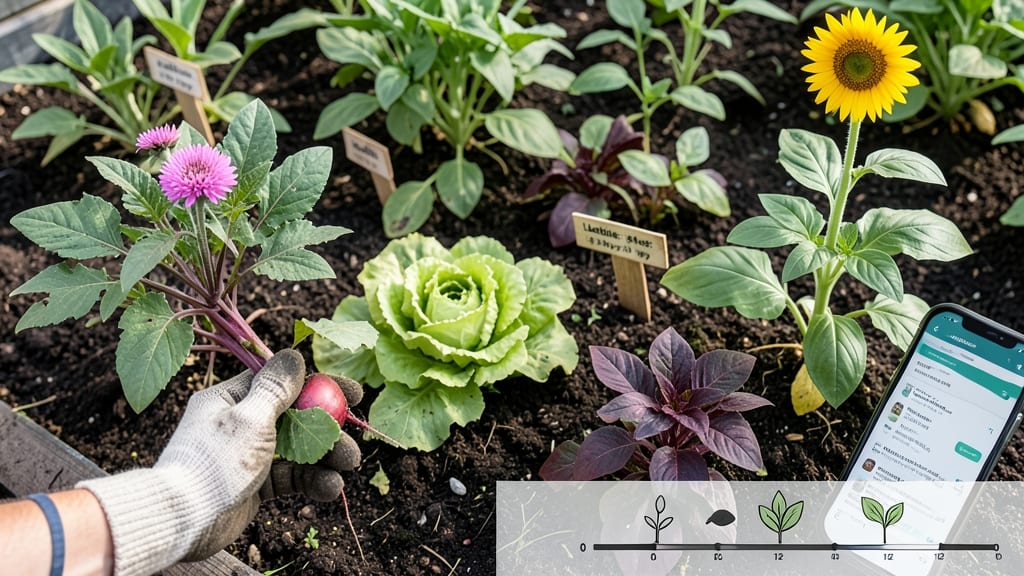
Growing a garden takes time that varies dramatically—from just weeks for quick harvests like lettuce or years for established perennials like berry bushes. Fast growers such as radishes or green beans appear in 3-4 weeks, while fruit trees like peaches need 4-6 years before yielding a full crop. Even annual flowers like zinnias bloom in 6-8 weeks, proving patience pays off differently for each plant.
Why this wide range matters is that garden growth isn't just about time—it's about plant biology and environmental conditions. 🌱 For example, leafy greens prioritize quick leaf production, while root vegetables like carrots focus energy on underground growth.
I’ve seen container gardens mature faster because roots get consistent moisture and warmth, while in-ground plants face temperature fluctuations. The key is matching your planting choices to your timeline: if you want immediate gratification, go for fast growers; if you’re planning ahead, invest in perennials that reward you for years.
What’s interesting is how seasonal timing plays a role—planting tomatoes too early in cool climates can delay harvests by weeks, while starting seeds indoors gives them a head start.
Even within the same species, varieties differ: cherry tomatoes might ripen in 50 days, while beefsteak types take 80+ days. This variability means your garden’s timeline depends on more than just the plant type—it’s a mix of science, strategy, and a little luck.
💡 In This Article
- Factors That Speed Up or Delay Garden Growth
- Plant-Specific Growth Timelines for Common Garden Types
Factors that speed up or delay garden growth
At the core of garden growth lies photosynthesis efficiency—how effectively plants convert sunlight into energy. Plants like lettuce, which grow best in cooler temperatures (60-65°F), can sprout in just 7-14 days because their metabolic rate is optimized for rapid leaf production.
In contrast, heat-loving crops like peppers need 75-85°F soil temperatures to germinate, which can delay their start by weeks in cooler climates. 🌱 The depth of the root zone also matters: container-grown plants develop shallower roots, forcing them to mature faster (e.g., basil in 4-6 weeks vs. 8-10 weeks in-ground).
Watering frequency creates another critical variable—too little stresses plants, while overwatering suffocates roots. For example, drought-tolerant rosemary thrives with 1 inch of water per week and can establish in 6-12 months, while moisture-loving strawberries need consistent dampness to fruit in 2-3 years.
Microclimates further complicate timelines: a south-facing wall can extend the growing season by 2-4 weeks compared to northern exposures. Even mulching makes a difference—organic mulch retains moisture and warmth, accelerating growth by 10-20% in some cases.
Soil fertility plays a hidden but powerful role.
A nutrient-rich compost blend can cut vegetable growth time by 30%, as seen with tomatoes that go from seed to harvest in 60 days with proper feeding versus 90+ days in depleted soil. pH levels matter too: blueberries need acidic soil (pH 4.5-5.5) to fruit in 3-5 years, while most vegetables prefer neutral soil (pH 6.0-7.0) for faster results.
The key takeaway? Your garden's timeline isn't just about the plant—it's about creating the perfect environment for its specific needs.
Seasonal timing adds another layer of complexity. Cool-season crops like spinach can bolt (go to seed) in 30-45 days if planted too late, while warm-season crops like cucumbers won't germinate until soil reaches 60°F.
Succession planting—staggering plantings every 2-3 weeks—can extend harvests by 4-6 weeks for crops like lettuce or beans. Even nighttime temperatures matter: many tropical plants (like hibiscus) stop growing when nights dip below 55°F, doubling their maturation time in cooler zones.
Human factors like pruning and thinning also impact growth. Regular pruning of tomato suckers can increase yield by 20-30% while speeding up fruit production by 10-15 days. Conversely, overcrowded plants compete for resources, delaying maturity by weeks.
The science behind this is simple: when plants focus energy on fewer leaves or fruits, they allocate more resources to each, accelerating development. This is why gardeners often thin seedlings to 2-3 inches apart—it might seem counterintuitive, but it pays off in faster, healthier growth.
What most gardeners don't realize is how pollination affects timelines. Self-pollinating plants like peas mature faster (50-60 days) because they don't rely on bees or wind. Cross-pollinated crops like squash can take 70-90 days if pollinators are scarce.
Even wind patterns matter: coastal gardens often experience stronger breezes that aid pollination, while inland areas might need hand-pollination for consistent yields. These subtle factors explain why identical varieties can have 2-3 week differences in neighboring gardens.