
Vegetables
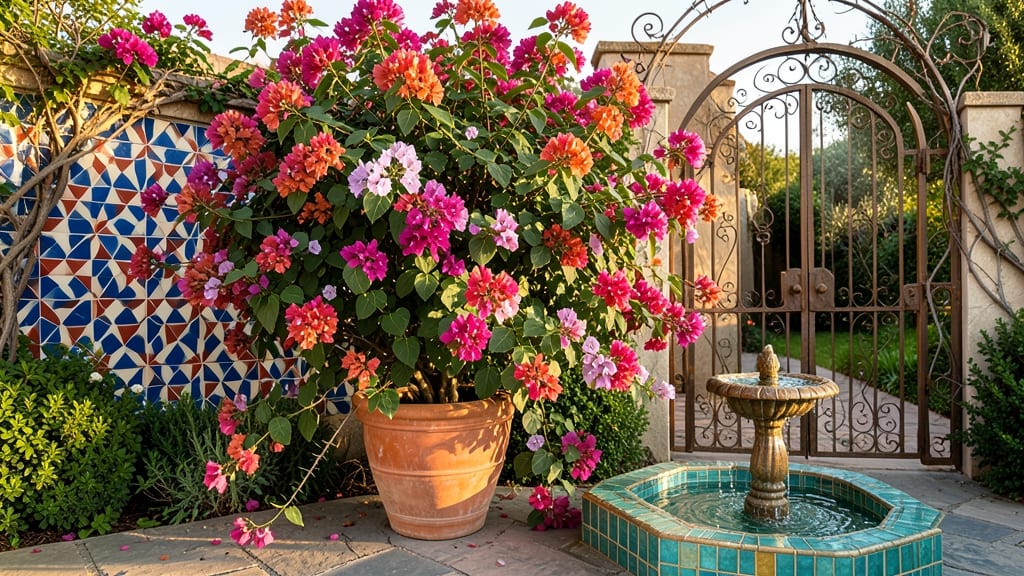
The Gardens of Marrakech blend vibrant bougainvillea, citrus groves, and fragrant roses with drought-resistant species like cacti and olive trees, creating stunning, low-maintenance landscapes. Their beauty comes from clever water management and strategic shade placement that thrives in arid climates.
Marrakech's gardens aren't just beautiful—they're masterclasses in desert horticulture. 🌵 The key is their layered approach: shallow root systems for quick water absorption, paired with deep-rooted trees like pomegranates that store moisture.
Many of these spaces use traditional qanats (underground irrigation channels) to distribute water efficiently, reducing waste while keeping plants lush. The architectural trick? Riad courtyards create microclimates where cooler air lingers near water features, protecting delicate blooms from extreme heat.
What makes these gardens so special is how they defy expectations—aloe vera and lavender thrive alongside vibrant roses, proving that arid climates can support diverse plant life with the right techniques.
The secret isn't just the plants themselves, but how they're arranged: taller species like bougainvillea form natural windbreaks, while ground covers prevent soil erosion. This balance creates an ecosystem that stays vibrant even during Marrakech's scorching summers.
💡 In This Article
- Design Principles Behind Marrakech’s Iconic Gardens
- Top Plants to Mimic Marrakech’s Year-Round Bloom
Design principles behind Marrakech’s iconic gardens
Marrakech's gardens thrive on a genius blend of Islamic geometry and hydrological engineering. The signature dar (courtyard) layout creates a perfect microclimate where water features like fountains and reflecting pools lower ambient temperatures by up to 5-7°F through evaporation.
This cooling effect extends 10-15 feet outward, protecting delicate plants from Marrakech's 95-104°F summer days. The geometric patterns aren't just decorative—they optimize air circulation, preventing heat buildup while creating visual harmony with the surrounding architecture.
The plant selection follows a three-tiered system that maximizes water efficiency. At the base, drought-resistant ground covers like henna plants and sage suppress weeds while retaining moisture. Mid-level shrubs such as bougainvillea and rosemary provide shade for lower plants, reducing evaporation rates by 30-40%.
At the top, olive trees and pomegranates with deep root systems tap into underground water sources, creating a natural irrigation network. This vertical layering mimics the region's natural ecosystems where plants have evolved to share resources.
Water management is where Marrakech's gardens truly shine. Traditional qanats (underground channels) deliver water directly to plant roots with minimal loss, while zellij tilework in pathways reflects sunlight away from plants.
The famous fountain gardens use a technique called counter-current flow, where water circulates in opposing directions to maximize oxygenation and cooling. This system reduces water usage by 25% compared to conventional irrigation while keeping the air 10-15% more humid around plants—critical for their survival in arid conditions.
Color plays a strategic role too. The blue and white tile accents you see everywhere aren't just aesthetic—they reflect up to 85% of sunlight, keeping surfaces cooler by 10-12°F.
Meanwhile, the terracotta pots absorb heat during the day but release it slowly at night, creating a stable temperature buffer. Even the gravel pathways serve a purpose: their 1-2 inch gaps allow rainwater to percolate down, replenishing underground aquifers that feed the plants' roots.
What's often overlooked is how these gardens use seasonal plant rotation. During Marrakech's cool winter months (40-50°F), water-intensive blooms like hibiscus and jasmine take center stage. But as temperatures rise, they're replaced by cacti and aloe that require 90% less water.
This adaptive approach ensures year-round beauty without compromising the garden's drought-resistant foundation. The result? A system so efficient that some Marrakech gardens thrive on just 10% of the water used in typical Mediterranean gardens.
The real magic happens at dawn and dusk. When temperatures drop below 75°F, gardeners perform a technique called night watering, where water is applied to leaves and soil surfaces. This creates a micro-atmosphere that reduces daytime evaporation by 40% while also keeping pests at bay.
The combination of these time-tested techniques is why Marrakech's gardens remain lush and vibrant despite receiving only 10-12 inches of rainfall annually. 💧