
Vegetables
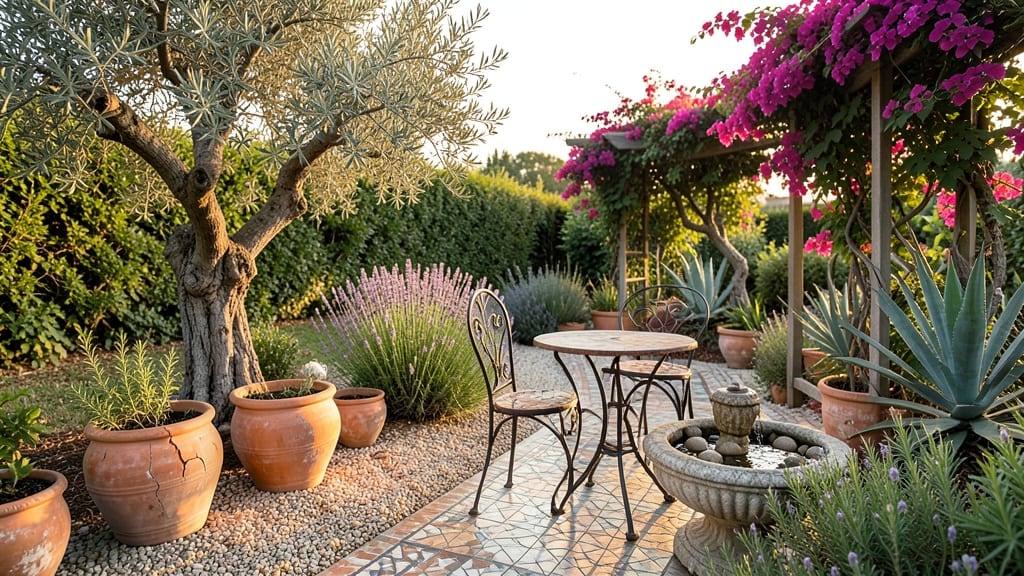
Barcelona’s gardens provide some of the city’s most vibrant green escapes, featuring stunning landscapes like the Jardins de la Muntanya Negre with its striking Mediterranean plants and the tranquil Jardins de Joan Brossa, where modern design meets natural beauty. These spaces offer more than just shade—they preserve biodiversity and cultural heritage right in the heart of urban life.
These urban green spaces are carefully curated to reflect Barcelona’s rich botanical heritage while adapting to the city’s Mediterranean climate. 🌿 The Jardins de Mossèn Costa i Llobera, for example, houses over 2,000 cactus species, making it a paradise for plant enthusiasts, while the Jardins del Turó de la Peira showcases restored native flora that thrives in the city’s microclimates.
What’s fascinating is how these gardens balance conservation with accessibility—many are free to visit and designed to be enjoyed by both locals and tourists alike.
Beyond their ecological value, these gardens serve as cultural hubs. Some, like the Jardins de la Vila de Gràcia, host seasonal events such as flower markets and guided tours that bring the community together.
Whether you're seeking a peaceful retreat or a spot to learn about Barcelona’s natural history, these green havens deliver an experience that’s both educational and deeply refreshing.
💡 In This Article
- Barcelona’s Most Biodiverse Urban Gardens and Their Plant Ecosystems
- How to Plan a Garden Tour: Barcelona’s Best Hidden Green Spots by Neighborhood
Barcelona’s most biodiverse urban gardens and their plant ecosystems
Barcelona’s gardens aren’t just decorative—they’re carefully designed ecosystems that thrive thanks to the city’s unique Mediterranean climate. The Jardins de Mossèn Costa i Llobera, for instance, hosts over 2,000 cactus species, many of which have adapted to thrive in the region’s hot, dry summers and mild winters.
These plants store water in their thick stems, a survival mechanism that’s particularly evident in species like the Opuntia ficus-indica, which can grow up to 3 meters tall and produce edible fruit.
The garden’s microclimate, created by its elevated position and protective walls, allows these delicate plants to flourish in an urban setting.
The Jardins del Turó de la Peira offers a different kind of biodiversity, serving as a restored natural habitat for native Mediterranean flora. Here, you’ll find species like the Pistacia lentiscus (mastic tree) and Quercus ilex (holm oak), both of which play crucial roles in the local ecosystem.
The garden’s design mimics the natural landscape of the Collserola range, with terraced levels and native stone pathways that blend seamlessly with the surroundings.
This approach not only preserves biodiversity but also creates a serene environment that feels like a step away from the city’s hustle. 🌿 The garden’s plant selection is carefully curated to support pollinators like bees and butterflies, which are vital for maintaining the city’s ecological balance.
Seasonal blooms are another highlight of Barcelona’s gardens, with each space offering something unique throughout the year.
In spring, the Jardins de Joan Brossa bursts into color with vibrant flowers like Lavandula angustifolia (lavender) and Nerium oleander (oleander), while autumn brings the rich hues of Eucalyptus camaldulensis and Cercis siliquastrum (Judas tree).
These plants not only enhance the visual appeal of the gardens but also contribute to the city’s air quality by absorbing pollutants and producing oxygen. The gardens’ plant selection is a testament to Barcelona’s commitment to sustainability, with many species chosen for their resilience and low water requirements.
Invasive plant management is another critical aspect of these gardens. Staff monitor and control species like the Acacia dealbata (silver wattle), which can outcompete native plants if left unchecked. Techniques such as manual removal, controlled burning, and the use of natural predators help maintain the delicate balance of these ecosystems.
The Jardins de la Muntanya Negre, for example, employs a combination of these methods to preserve its diverse collection of Mediterranean shrubs and herbs, ensuring that each plant has the space and resources it needs to thrive.
What makes these gardens truly special is how they adapt to Barcelona’s urban environment. The city’s microclimates—created by its coastal location, mountains, and dense buildings—allow for a surprising variety of plant life.
Gardens like the Jardins de la Ribera in the Eixample district take advantage of these conditions by incorporating water features and shaded areas that mimic the natural habitats of species like the Platanus hispanica (London plane tree).
This thoughtful design ensures that the gardens remain vibrant and accessible year-round, offering a refreshing contrast to the city’s concrete landscapes.
For plant enthusiasts, these gardens are living classrooms that showcase the beauty and complexity of Mediterranean ecosystems.
Whether you’re admiring the 100-year-old olive trees in the Jardins de la Vila de Gràcia or exploring the aromatic herbs in the Jardins del Poblenou, each garden offers a unique opportunity to connect with nature.
The blend of native and adapted species creates a dynamic environment that’s both educational and inspiring, making these urban oases a must-visit for anyone interested in ecology and design. ✨