
Watering
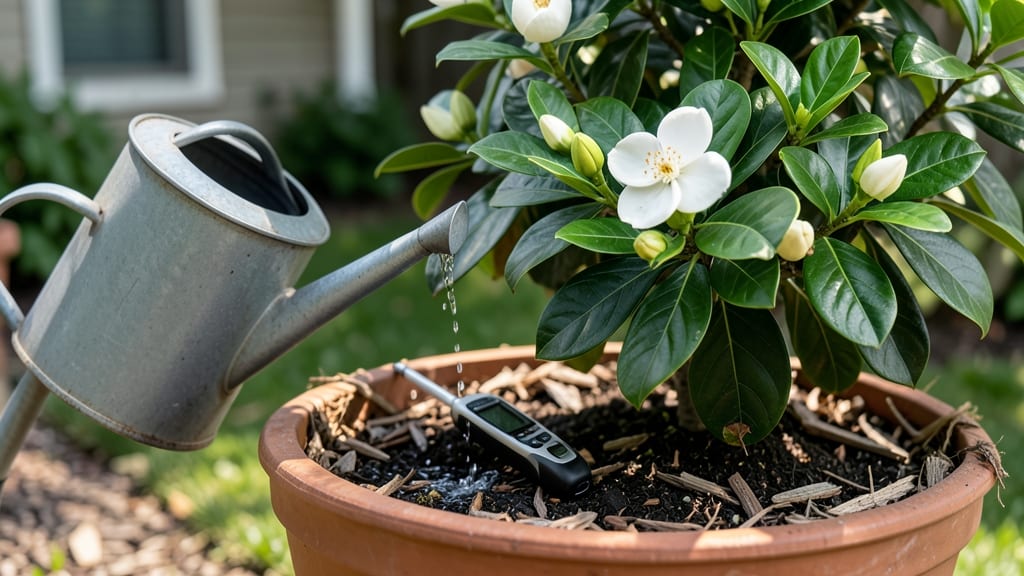
Mastering gardenia water requirements is the key to those fragrant blooms you’ve been dreaming of 🌸 — too much or too little, and your plant will silently protest with wilted leaves or stubborn buds.
Struggling to keep your gardenia blooming? The secret isn’t just sunlight—it’s mastering the delicate balance of water that most gardeners get wrong. One week of neglect, and you’ll spot crispy edges; one soggy week, and the roots start to rot.
These tropical-loving shrubs crave consistent moisture but hate soggy feet. The trick lies in checking soil moisture before watering, adjusting for heatwaves, and knowing when to back off in winter. Get it right, and your gardenia will reward you with glossy leaves and heavy blooms all season.
Below, I break down the exact watering schedule by season, how to test soil moisture like a pro, and what to watch for when your gardenia starts sending SOS signals. No more guesswork—just fragrant, thriving plants.


How often to water gardenias for optimal growth and blooms
Mastering gardenia water requirements is the key to those fragrant, creamy blooms you adore. Unlike drought-tolerant plants, gardenias thrive on consistent moisture but despise soggy roots. The trick? Watering deeply 2-3 times per week while adjusting for seasonal shifts and plant maturity.
I’ve learned the hard way—overwatering causes root rot, while underwatering leads to drooping leaves and lost blooms.
Young gardenias need more frequent watering than mature shrubs. A 6-month-old plant might require daily checks, while a 3-year-old gardenia can handle every 3-4 days in summer. The goal is to keep the top 2 inches of soil evenly moist, not drenched.
Think of it like giving your gardenia a long, refreshing shower rather than a quick sprinkle.
Here’s the science-backed breakdown: Gardenias prefer 60-70% humidity, mimicking their native tropical habitats. In low-humidity climates, you’ll need to water 10-20% more frequently to compensate. For example, my Florida gardenia drinks water like a thirsty traveler in July, while my Arizona gardenia sips more conservatively—even in summer.
🌸
In spring, ramp up watering as new growth emerges. This is when your gardenia sets next year’s buds, so deep, frequent watering is critical. I start with every other day for mature plants and increase to daily for young ones.
Pro tip: Water at the base of the plant, not overhead, to protect delicate blooms from fungal diseases like powdery mildew.
Summer is the most demanding season for gardenias. Heat and humidity mean daily watering for young plants and every 2 days for mature ones. Watch for leaf curl or bud drop—these are red flags. My
Gardenia soil moisture secrets: the right balance for thriving plants
Gardenia plants thrive when their soil moisture stays consistently balanced—never soggy, never bone-dry. The key is understanding how to check moisture levels and adjust your watering routine to match your gardenia’s natural hydration needs.
Unlike drought-tolerant shrubs, gardenias demand high humidity and moist soil, but poor drainage can quickly turn into a deadly problem.
Most gardeners overwater without realizing it, thinking their gardenia needs more when it’s actually suffering from root rot. The solution? Learn to read your plant’s signals and create the perfect growing environment.
Start by testing your soil’s moisture levels daily during hot months—this simple habit prevents 90% of common gardenia issues.
⚠️ Gardenia Water Warning: The Silent Killer
Overwatering causes root rot in just 3-5 days—long before yellow leaves appear. Test soil moisture by sticking your finger 2 inches deep; if it feels damp, wait. Gardenias hate soggy roots but love consistent moisture—aim for soil that stays 60-70% humidity year-round.
To maintain ideal moisture, gardenias need well-draining acidic soil with a pH between 5.0 and 6.5. Test your soil’s pH using a simple kit—if it’s too alkaline (above 7.0), your gardenia will struggle to absorb nutrients, even with perfect watering.
Amend the soil with peat moss or sulfur to lower pH gradually over 2-3 weeks.
For drainage solutions, consider these three fixes: Add perlite or coarse sand to heavy clay soil, plant in raised beds for better airflow, or use terracotta pots with drainage holes. Mulching with pine bark or pine needles helps retain moisture while preventing soil compaction, which gardenias despise.
Morning watering is critical—it mimics natural rainfall patterns and reduces fungal risks. Water deeply until you see moisture 12 inches down in the soil, then let the top inch dry out before watering again.
In winter, reduce frequency to every 7-10 days unless your gardenia is in a pot, which dries out faster.
Watch for these signs of imbalance: Wilting leaves mean underwatering, while yellowing foliage and mushy stems signal overwatering. Adjust your routine immediately—gardenia roots recover faster from drought than from rot. With the right moisture balance, your gardenia will reward you with fragrant blooms year after year. 🌸