
Light Requirements
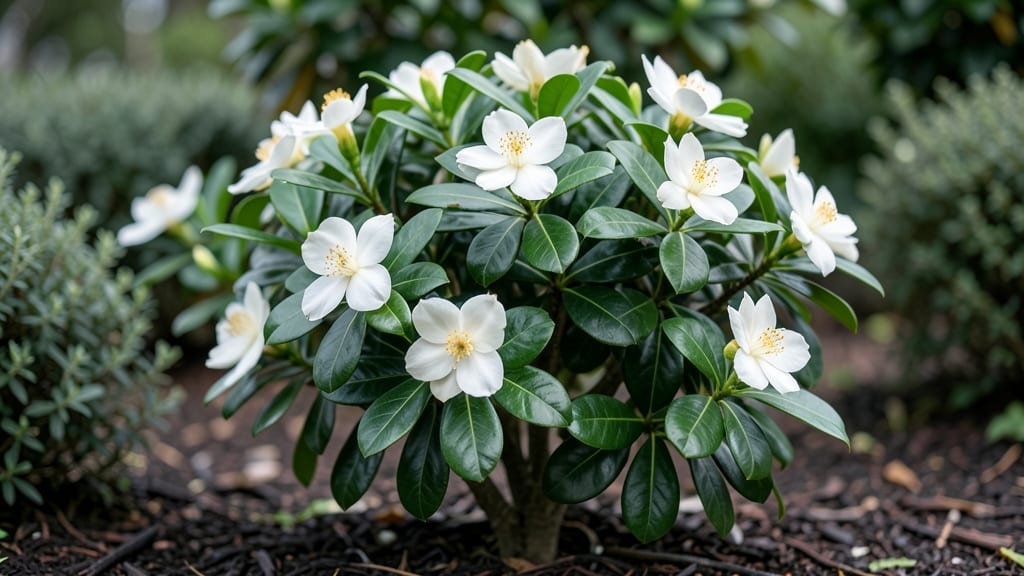
The sun requirements for a frost-proof gardenia are critical—it needs bright, indirect sunlight for 4-6 hours daily to thrive and bloom, but getting the balance right is trickier than you think.
Struggling to keep your frost-proof gardenia blooming year-round? The secret lies in mastering its sun requirements—too much or too little light can turn vibrant flowers into sparse, weak growth. Without the right exposure, even the hardiest varieties struggle to produce those fragrant, creamy-white blooms you love.
Most gardeners assume these tropical beauties crave full sun, but in reality, they prefer morning sunlight paired with afternoon shade. This setup mimics their natural habitat, where harsh midday rays are softened by tree canopies.
Too much direct afternoon sun can scorch leaves, while too little light weakens stems and reduces flowering.
Below, I’ll break down the exact light balance your frost-proof gardenia needs, how to adjust for seasonal changes, and practical tricks to position it for year-round blooms—no guesswork required.

Optimal sunlight balance for frost-proof gardenias: morning vs. afternoon exposure
Frost-proof gardenias thrive on a delicate balance of sunlight—4 to 6 hours daily—but getting it wrong can mean the difference between lush blooms and leggy, sparse growth. Unlike their tropical cousins, these hardy varieties need morning sun exposure to fuel photosynthesis while avoiding the harsh afternoon rays that can scorch their glossy leaves. The key? Understanding how light shifts with seasons and microclimates, whether you're in a sun-drenched urban patio or a shaded rural garden.
I’ve learned the hard way that gardenias hate afternoon sun—it’s like leaving a tropical plant in a sauna. The morning sun (before 10 AM) provides just enough energy, while afternoon shade (after 2 PM) protects them from heat stress.
Urban gardens often trap heat, making afternoon shade even more critical. Rural areas with cooler breezes might handle a little more afternoon light, but never full sun.
| Light Condition | Morning Sun (6 AM - 10 AM) | Afternoon Sun (2 PM - 6 PM) | Best For |
|---|---|---|---|
| Full Sun | ✅ 4+ hours | ❌ Avoid | Urban patio (with afternoon shade) |
| Partial Sun | ✅ 3-4 hours | ✅ 1-2 hours (max) | Rural garden with breezes |
| Light Shade | ✅ 2-3 hours | ✅ Full shade | Hot climates or dense foliage |
| Seasonal Adjustments | ✅ Increase in spring | ✅ Reduce shade in fall | Year-round blooms |
For urban gardeners, microclimates can be tricky. A south-facing wall might reflect heat, turning your gardenia’s spot into a sun trap. My solution? I planted mine near a lattice screen to filter afternoon light while still allowing airflow.
In rural areas, where breezes naturally cool the plant, you might get away with slightly more afternoon exposure—but never let leaves bake under direct sun past noon.
Seasonal shifts matter too. In spring and fall, when the sun is lower, gardenias can handle more morning sun (up to 6 hours) with minimal afternoon exposure. But in summer’s peak, even 1 hour of afternoon sun can cause leaf scorch.
I adjust by moving potted gardenias to shadier spots or using lightweight shade cloth (30-50% coverage) during the hottest months.
Watch for tell-tale signs of sunlight stress: yellowing leaves (too much sun), pale stems (not enough), or bud drop (heat shock). My gardenia once lost all its buds in July because I ignored the afternoon sun rule.
Since then, I’ve made it a habit to monitor leaf color daily—deep green means happy, while anything lighter means it’s time to adjust.
If you’re planting near structures, east-facing locations are ideal—they give gentle morning light without the afternoon heat. Avoid west-facing spots unless you’re prepared to provide artificial shade after 3 PM. For container gardenias, rotate pots every few weeks to ensure even light exposure on all sides, preventing lopsided growth.
Pro tip: Mulch heavily around your gardenia to keep roots cool. I use 3 inches of pine bark mulch, which also helps retain moisture—critical since gardenias hate dry soil. Pair this with morning watering (before 10 AM), and you’ll mimic their natural tropical habitat while keeping them frost-hardy.
Remember, frost-proof gardenias are tougher than their non-hardy relatives, but they still need consistent care. The morning sun rule is non-negotiable, but with the right adjustments, you’ll enjoy year-round blooms—even in cooler climates.
Start with these sunlight strategies, and your gardenia will reward you with fragrant, lush flowers from spring to frost.
How to adjust sunlight for year-round blooms in frost-proof gardenias
Frost-proof gardenias thrive on partial shade with 4-6 hours of morning sun, but their light needs shift with seasons. Too much afternoon sun can scorch leaves, while insufficient light stunts blooms. The key is flexibility—adjusting exposure as temperatures rise or fall keeps your shrub vibrant.
Start by observing your gardenia’s current location. If leaves show yellowing or crispy edges, it’s likely getting too much direct sun. Conversely, small leaves and sparse flowers signal insufficient light. These visual cues help you fine-tune placement without guesswork.
⚠️ callout-warning ⚠️
Frost-proof gardenias cannot tolerate intense afternoon sun (1 PM–5 PM). UV rays cause leaf scorch and bud drop. If your plant sits in full sun, relocate it by mid-June to prevent permanent damage.
Quick Fix: Use a 30% shade cloth over the plant for 2–3 hours daily if moving isn’t an option.
Pruning is your first tool for light control. Thin out dense inner branches to improve airflow and let light penetrate. Aim for an open, rounded shape—this mimics natural canopy growth and prevents overcrowding. Prune in late winter or early spring before new growth begins.
For seasonal adjustments, leverage nearby structures. Plant gardenias 2–3 feet from a north-facing wall in summer to block harsh afternoon rays. In winter, remove temporary shade screens to maximize weak winter sunlight, which helps trigger blooming cycles.
DIY shade solutions work wonders. Install a lattice screen (painted white to reflect heat) on the south or west side of the plant. Alternatively, drape lightweight fabric covers (like 50% shade cloth) during peak heat. These methods cost under $20 and last years.
Monitor for leaf scorch (brown, papery edges) or bud drop (flowers falling before opening). If you see these, reduce exposure by 2 hours daily and increase watering slightly to help the plant recover. With these tweaks, your frost-proof gardenia will reward you with year-round blooms.