
Planting
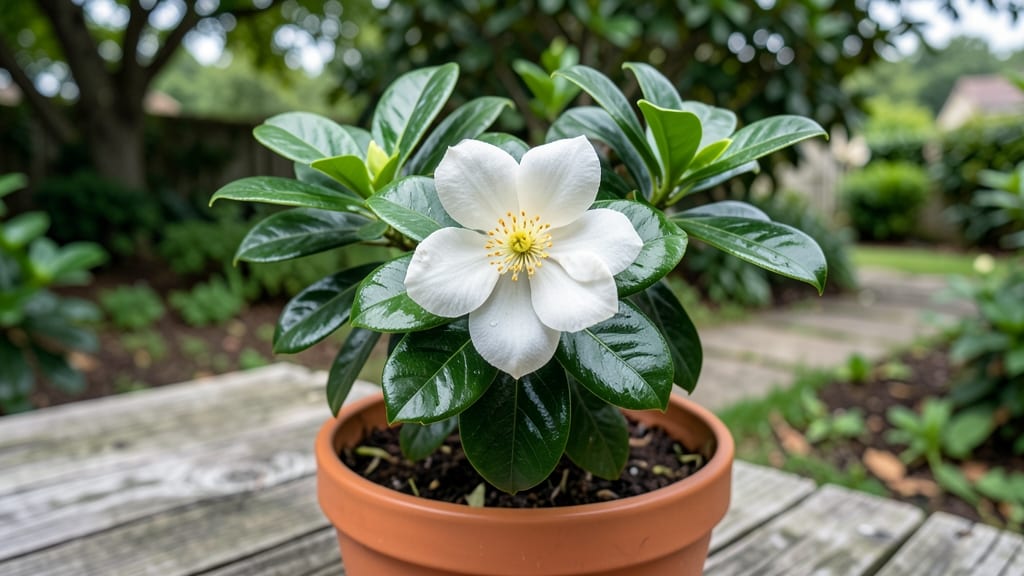
Gardenia indoor or outdoor plants thrive in different conditions: outdoor varieties handle direct sunlight and high humidity naturally, while indoor gardenias need bright indirect light and careful moisture control. Both require acidic soil and regular pruning for vibrant blooms.
Outdoor gardenias are built to handle the elements—think of them as the tough, sun-loving cousins that thrive in 6+ hours of direct sunlight daily. 🌿 Their waxy leaves and thick stems help them retain moisture even in dry spells, while their roots spread deep to access nutrients.
Indoors, however, gardenias become more delicate: they need bright indirect light (like an east-facing window) to avoid leaf scorch, and their soil must stay evenly moist but not soggy—a balance many struggle with. The key difference?
Outdoor plants adapt to natural humidity fluctuations, while indoor ones often need a pebble tray or humidifier to mimic their tropical origins.
Both types share critical care needs, though. Acidic soil (pH 5.0-6.5) is non-negotiable—gardenias hate alkaline conditions, which cause yellowing leaves. Pruning isn't just about aesthetics: it encourages new growth and more blooms by removing spent flowers and leggy stems.
Outdoor plants can handle a post-bloom haircut in late summer, while indoor gardenias need gentler trims to avoid stress. And here's a pro tip: never prune in spring—you'll cut off next year's flower buds!
💡 In This Article
- Light and Humidity Needs for Indoor vs Outdoor Gardenias
- Soil, Pruning, and Seasonal Care for Gardenias by Location
Light and humidity needs for indoor vs outdoor gardenias
Outdoor gardenias have evolved to thrive under full sun exposure (6-8 hours daily), thanks to their specialized chlorophyll structure that maximizes photosynthesis efficiency.
Their leaves contain a thicker cuticle layer—visible as a waxy coating—that reduces water loss during hot days, while their roots develop deeper to access moisture and nutrients.
This adaptation explains why outdoor plants can handle 80-90% humidity fluctuations without stress, as their stomata (leaf pores) open and close efficiently to regulate transpiration.
Indoors, gardenias face a different challenge: artificial lighting spectra often lack the blue and red wavelengths (400-500nm and 600-700nm) that trigger optimal photosynthesis. This is why even bright indoor light can cause leaf yellowing or bud drop—the plant isn't getting the full light spectrum it needs. The solution?
Position your indoor gardenia within 3 feet of a south or east-facing window, where natural light approximates full spectrum better than north-facing windows. For deeper insights, think of it like this: outdoor plants get sunlight's full spectrum naturally, while indoor plants need light supplementation to compensate.
Humidity becomes the critical differentiator indoors.
Gardenias originate from tropical regions where 70-80% humidity is normal, but most homes maintain 30-50% humidity—a range that causes leaf edges to brown and buds to fail. 💧 The science here involves stomatal behavior: low humidity forces stomata to stay closed to conserve moisture, which disrupts gas exchange and nutrient transport.
For indoor gardenias, a pebble tray with water (placed under the pot) or a humidifier near the plant can restore ideal conditions, creating a microclimate that mimics outdoor humidity patterns.
Seasonal adjustments are crucial for both environments. Outdoor gardenias need partial shade during summer afternoons (1-3pm) to prevent leaf scorch, while indoor plants may require supplemental grow lights (12-14 hours daily) in winter when natural light diminishes.
The key stress indicator to watch for is bud blast—when flower buds drop before opening—signaling either insufficient light or sudden humidity drops. This happens because gardenias are sensitive to ethylene gas (released by overwatering or stress), which triggers premature bud abscission.
Consider this comparison: outdoor gardenias can handle 104°F (40°C) heat with proper watering, while indoor plants struggle above 75°F (24°C) without additional humidity control.
The difference lies in their root zone temperature regulation—outdoor plants benefit from cooler soil temperatures due to shade and mulch, while indoor pots heat up quickly, accelerating moisture loss. For indoor gardeners, a thermometer placed near the plant can help monitor these critical temperature thresholds.