
Tools
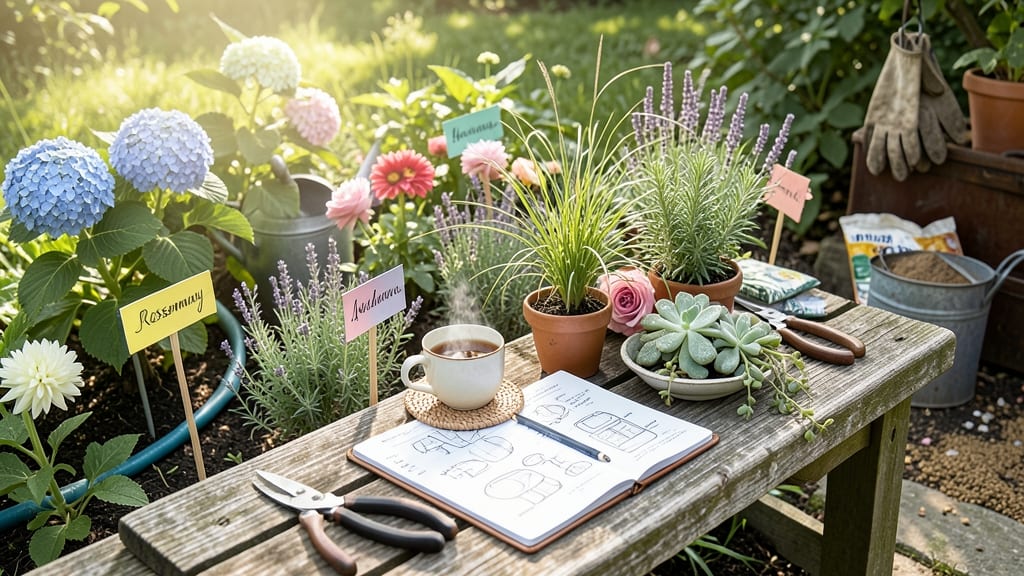
The Garden World TV show delivers expert gardening insights through immersive expert segments, hands-on troubleshooting, and breathtaking botanical set designs that make horticulture feel like an art form. Each episode showcases eco-friendly growing methods, rare plant varieties, and exclusive backstage access to world-famous gardens.
The Garden World TV show stands out by combining practical gardening knowledge with cinematic production values. 🌿 Hosts don't just talk about plants—they demonstrate techniques in real-time, using stunning garden backdrops that highlight both the science and beauty of horticulture.
What makes it special is how they blend education with storytelling, featuring everything from urban container gardening to historic estate restorations.
Behind every episode lies months of planning, including plant sourcing from rare nurseries and collaboration with landscape architects. The show's filming locations often become destinations themselves, with many viewers traveling specifically to visit the gardens featured.
This approach creates a unique connection between home gardeners and professional horticulturists, making complex techniques feel accessible.
💡 In This Article
- How Garden World TV Show Hosts Create Stunning Botanical Scenes
- Top Filming Locations and Hidden Garden Secrets on Garden World
How Garden World TV Show Hosts Create Stunning Botanical Scenes
The secret behind Garden World's breathtaking visuals lies in meticulous pre-production planning that treats each garden like a living film set. Hosts work with landscape architects to design scenes that balance horticultural accuracy with cinematic appeal.
For example, the show's signature "seasonal plant rotations" involve sourcing rare varieties months in advance—like the 12-foot-tall 'Black Pearl' bamboo featured in Season 3—while ensuring they thrive under studio lighting conditions that mimic natural sunlight.
Lighting plays a crucial role in highlighting plant textures and colors. Crews use LED grow lights with adjustable spectra to enhance foliage vibrancy without damaging delicate specimens.
The show's signature "golden hour" segments—filmed during actual sunset (6:15-6:45 PM)—require precise camera angles to capture the 30-minute window when light creates optimal shadow contrast. This technical approach transforms ordinary plants into visual masterpieces, making even common perennials like echinacea appear extraordinary.
Hosts employ a "layered storytelling" technique where each shot serves multiple purposes: demonstrating pruning techniques while showcasing flower arrangements, or explaining soil composition while revealing root systems through transparent planters.
The show's 180-degree rule (maintaining consistent camera angles) creates continuity across episodes, making complex gardening processes feel like a seamless narrative rather than technical demonstrations.
Seasonal challenges require creative solutions. During winter episodes, crews build heated greenhouse sets to film tropical plants, while summer shoots incorporate mist systems that maintain humidity levels for delicate ferns.
The show's signature "before-and-after" segments often involve two filming days—one showing neglected plants, another after 8-12 weeks of treatment—to demonstrate real-time growth transformations.
What truly sets Garden World apart is its "plant casting" process, where horticulturists audition specimens for their visual appeal and growth characteristics. A single episode might feature 50+ plants selected from 1,000+ candidates, with each chosen for its ability to perform under camera lights while maintaining scientific accuracy.
This rigorous selection process ensures every plant contributes to both the educational content and visual storytelling.
The show's collaboration with landscape architects extends to custom-built garden structures that appear in multiple episodes. For instance, the 15-foot-tall arbour seen in Season 2's "Vertical Gardening" special required three months of construction and 200 pounds of reinforced latticework to support climbing roses and clematis.
These permanent installations become recurring elements in the show's visual language, creating familiarity for viewers while demonstrating advanced horticultural techniques.
What most viewers don't realize is how the show's color grading process enhances plant hues to appear even more vibrant on screen. While filming uses natural light, post-production applies subtle HSL (Hue, Saturation, Luminance) adjustments to ensure foliage colors remain consistent across different filming locations.
This technical approach maintains the show's signature aesthetic while preserving the natural beauty of each garden.