
Pruning
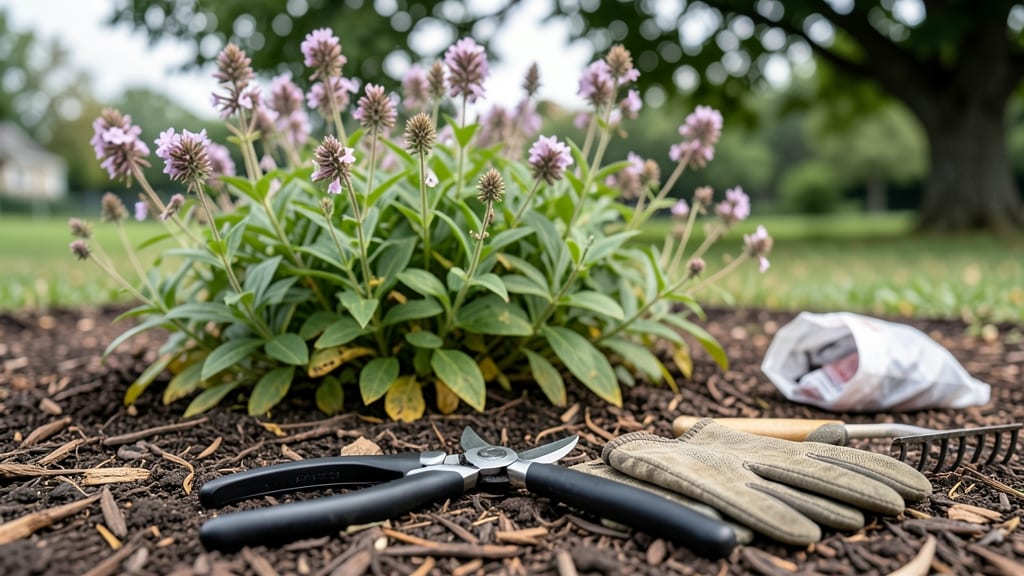
Cutting back garden phlox at the right time ensures vibrant blooms next year—and doing it wrong can leave your plants stressed or even diseased.
You’ve probably stared at your 🌸 garden phlox in late summer, wondering if it’s safe to trim those faded stems. The truth? Waiting too long or cutting too early can rob your plants of energy they need to rebound.
In Zone 6, the ideal window is just after the flowers fade, but before the first frost.
This simple timing trick isn’t just about aesthetics—it’s about giving your phlox the best shot at a strong root system and next season’s showstopper blooms. Skip the guesswork with the exact steps to prune without harming your plants, plus regional tweaks for cooler or warmer climates.
Inside, you’ll find the one mistake that kills phlox faster than frost, how to tell if you’ve cut too much, and when to fertilize for maximum regrowth. Let’s get those stems prepped for a comeback!
The best time to cut back garden phlox for healthy regrowth
Timing your garden phlox pruning correctly ensures vibrant blooms next season while preventing disease. The ideal window is late summer—after flowers fade but before hard frost. This timing allows the plant to store energy in its roots for spring regrowth.
Phlox follows a natural growth cycle where late summer pruning (typically August to early September) triggers new growth without stressing the plant. Cutting too early removes energy reserves needed for blooming, while waiting too long risks winter damage to tender stems.
Regional adjustments matter: In warmer climates (Zones 8-10), prune slightly later (early fall), while cooler zones (4-7) should prune by mid-September to avoid frost. Always prune after 70% of flowers have faded.
| Time to Prune | Climate Zones | Key Signs | Risks of Wrong Timing |
|---|---|---|---|
| Late Summer (Aug-Sept) | Zones 4-10 | 70% flowers faded, stems brown | Fewer blooms next year |
| Early Fall (Oct-Nov) | Zones 8-10 only | No frost predicted | Winter stem damage |
| Spring (March-April) | All zones | New growth appears | Delayed blooming |
| Too Early (June-July) | All zones | Active blooming | Weakened plant |
The science behind late summer pruning lies in photosynthesis efficiency. When you cut back phlox after blooming, the plant redirects energy to root development rather than seed production. This creates a stronger base for next year’s flower stalks.
Look for visual cues like brown stems and faded foliage—these signal the plant is preparing for dormancy. Avoid cutting when green leaves remain, as this removes food-producing foliage too early.
Northern gardeners (Zones 3-6) should prioritize late August pruning to avoid early frost risks. In contrast, southern zones (7-10) can wait until early October, as milder winters extend the growing season.
If you miss the late summer window, don’t panic! A light pruning in early spring (just above old growth) still works. However, never cut back in winter, as this exposes dormant buds to cold and invites pests.
After pruning, mulch around the base with 2-3 inches of organic matter to insulate roots and retain moisture. This protects phlox through winter and boosts spring recovery.
For overgrown phlox, never remove more than 1/3 of the plant in one season. Gradual pruning over 2-3 years prevents shock and maintains healthy regrowth patterns.
Remember: Phlox blooms on new wood, meaning last year’s growth produces this year’s flowers. Preserve at least 6 inches of stem to ensure next season’s abundance.
🌸
Step-by-step guide to pruning phlox without damaging the plant
Pruning your garden phlox correctly ensures vibrant blooms next year while preventing disease or stress. The key is timing—cutting too early removes next season’s flower buds, while waiting too long risks fungal infections or pests.
With the right technique, you’ll encourage healthy regrowth and a fuller plant. Let’s break it down step by step.
Start by gathering your tools: sharp pruning shears, sterilized scissors, and a clean bucket for clippings. Always disinfect your tools with rubbing alcohol to prevent spreading bacterial or fungal spores.
Work on a dry, sunny day to reduce stress on the plant. Avoid pruning after rain or in humid conditions, as this increases the risk of rot or mildew.
- 1 Wait until late summer (after blooming ends, typically August-September in Zone 6). Look for wilted flowers and brown stems as signals.
- 2 Cut back by 1/3 of the plant’s height using clean, sharp shears. Aim to remove dead or diseased foliage first, then trim healthy stems to encourage new growth.
- 3 Leave 3-4 inches of stem above the crown (the base of the plant). This ensures next year’s buds remain intact. Avoid cutting into woody stems or the center.
- 4 Fertilize lightly 2-3 weeks after pruning with a balanced 10-10-10 fertilizer. Apply 1 tbsp per plant in the morning to avoid burning roots or attracting pests.
- 5 Mulch around the base with 2-3 inches of organic mulch (like shredded bark) to protect roots and retain moisture. This also prevents weeds and regulates soil temperature.
- 6 Monitor for pests like aphids or spider mites during regrowth. Spray with neem oil or insecticidal soap if needed. Keep the area well-ventilated to deter fungal issues.
- 7 Water deeply after pruning to help the plant recover. Aim for 1 inch of water per week, focusing on the root zone. Avoid wetting the foliage to prevent disease.
After pruning, your garden phlox will send out new shoots in early spring, setting the stage for next year’s blooms. If you’re in a warmer climate (Zones 7-9), you can prune slightly later, but never after the first frost.
This ensures the plant has time to harden off before winter.
For overgrown phlox, you can prune back in early spring (March-April) by 1/2 to 2/3 of the plant’s height. However, this is a last-resort option—always prioritize the late-summer pruning for the best results.
With proper care, your phlox will reward you with lush, colorful blooms for years to come.
Pro tip: Label your plants if you have multiple varieties, as some dwarf phlox (like Phlox subulata) need minimal pruning. Always tailor your approach to the specific type of phlox in your garden. 🌸