
Tools
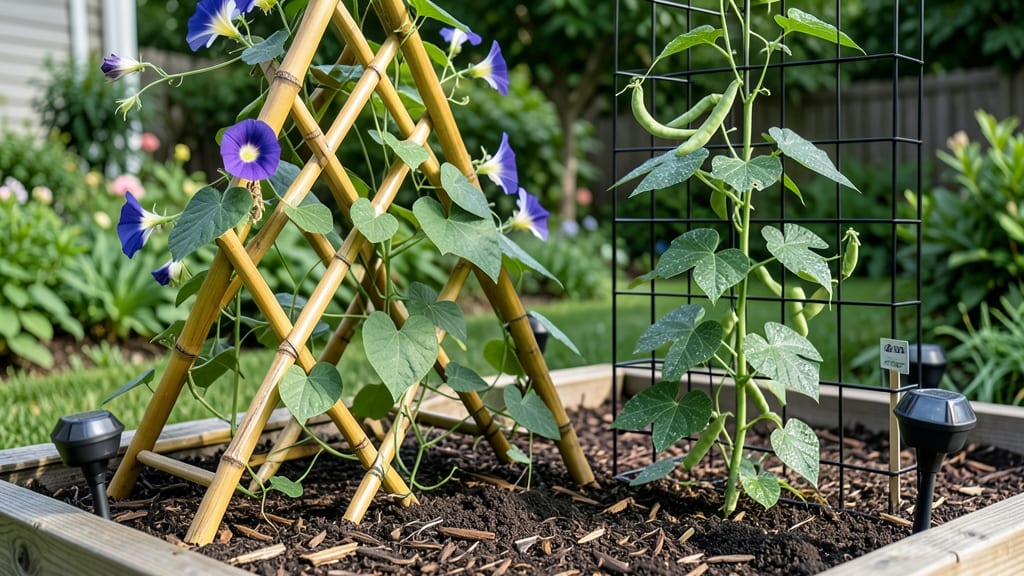
Transforming your garden bed with trellis ideas for vertical growth can double your harvest while adding stunning visual interest 🌿.
Picture this: vining plants like Clematis climbing gracefully up a rustic wooden lattice, or cucumbers sprawling neatly along a metal obelisk—all while saving precious ground space. The right trellis doesn’t just support plants; it turns your garden into a lush, three-dimensional masterpiece.
Whether you’re working with a small balcony plot or a sprawling backyard, the key is choosing a design that matches both your space and your plants’ needs. From simple DIY bamboo frames to sturdy metal arbors, we’ll explore 10 creative structures that make vertical gardening effortless—and beautiful.
Ready to grow more in less space? Discover how to select, build, and style trellises that elevate your garden’s function and its charm.
10 Creative garden bed trellis designs for vertical growth
Vertical gardening isn't just about saving space—it's about creating a stunning visual display while maximizing your harvest potential. With the right trellis design, you can grow heavy vines like cucumbers or delicate climbing roses without sacrificing your garden's footprint.
Whether you're working with a small balcony container or a large backyard plot, these 10 trellis ideas will inspire both functionality and beauty in your garden beds.
From A-frame structures that lean against fences to spiral designs that add whimsy, each trellis type offers unique benefits. Wooden trellises blend seamlessly into cottage gardens, while metal obelisks provide sleek, modern support. Bamboo teepees create cozy corners for pole beans, and DIY lattice panels transform old pallets into rustic charm.
Let’s explore how to choose the perfect trellis for your space and plants—plus the best materials and maintenance tips to keep them standing strong all season.
comparison-table
| Trellis Type | Best For | Materials | Height Range | Plant Examples |
|---|---|---|---|---|
| A-Frame Trellis | Heavy vines, fences | Wood, metal | 4-8 ft | Cucumbers, pole beans |
| Teepee Trellis | Lightweight climbers | Bamboo, stakes | 5-7 ft | Nasturtiums, peas |
| Obelisk Trellis | Centerpiece plants | Metal, PVC | 6-10 ft | Clematis, morning glories |
| Spiral Trellis | Aesthetic display | Wood, wire | 3-5 ft | Sweet peas, roses |
| Arbor Trellis | Large vines, pathways | Wood, stone | 8-12 ft | Grapevines, wisteria |
An A-frame trellis is a game-changer for heavy vines like cucumbers or squash, which need sturdy support to avoid sprawling across your garden. Made from pressure-treated wood or powder-coated metal, these freestanding structures lean against fences or walls, creating a triangular frame that distributes weight evenly.
For small gardens, opt for a 4-foot model—perfect for bush beans or zucchini. If you're growing longer varieties, like yard-long beans, extend the height to 6-8 feet for full support.
For a whimsical touch, teepee trellises are ideal for lightweight climbers such as nasturtiums or pole beans. Constructed from bamboo stakes or flexible willow branches, they’re easy to assemble and blend into cottage-style gardens.
Place them in corners or along pathways to guide vines upward while adding vertical interest. To maximize space efficiency, pair them with low-growing herbs like thyme or oregano at their base.
If you love modern aesthetics, an obelisk trellis is a sleek solution for delicate flowers like clematis or morning glories. These metal or PVC structures feature crisscrossing arms that provide 360-degree support, making them perfect for container gardens or small patios.
For large garden beds, choose a 6-foot obelisk to create a focal point while training heavier climbers like hops or passionflowers. Just ensure the base is wide and stable to prevent tipping in windy conditions.
Looking for something uniquely artistic? A spiral trellis adds dramatic flair while guiding climbing roses or sweet peas into a swirling pattern. Crafted from wooden slats or twisted wire, these designs work beautifully in formal gardens or as backyard accents.
To create one, simply coil wire around a
How to choose the right trellis for your plants and space
Selecting the perfect trellis starts with understanding your plant's growth habits. Heavy vines like clematis or passionflowers need sturdy structures, while lightweight climbers like morning glories can thrive on simpler frames. Consider how much weight your trellis must support—some plants can reach 20 feet or more!
Next, evaluate your garden layout and available space. A small urban garden might benefit from a wall-mounted trellis, while larger plots can accommodate freestanding structures like A-frames or teepees. Measure your bed’s dimensions and choose a trellis that fits without overcrowding other plants.
🌱 Key Takeaway: Trellis Selection Guide
Use wooden A-frames or metal cages
Opt for bamboo stakes or chicken wire
Choose wall-mounted or corner trellises
Repurpose pallets or PVC pipes
Pro Tip: Match trellis height to plant maturity—clematis needs 8+ feet, while cucumbers thrive on 4-6 foot structures.
For low-maintenance gardens, pre-made trellises offer convenience. Look for galvanized metal or powder-coated options that resist rust and last years. If you prefer DIY projects, materials like cedar wood or bamboo are affordable and easy to customize.
Consider your plant's sunlight needs too. Tall trellises like obelisk structures work well for sun-loving plants, while partial shade climbers (like clematis) may need trellises placed near walls to filter light. Always position trellises where they won’t cast excessive shade on other crops.
Finally, think about harvesting ease. Structures with open centers (like teepees) make it simple to reach fruits or flowers, while vertical panels are better for leafy greens or vining herbs. Plan for 3-4 feet of clearance around trellises to avoid tripping hazards and improve airflow.
By matching your trellis to your plant's needs, space constraints, and maintenance preferences, you’ll create a functional and beautiful vertical garden that maximizes yield with minimal effort. Start small, experiment with designs, and watch your garden transform! 🌿