
Tools
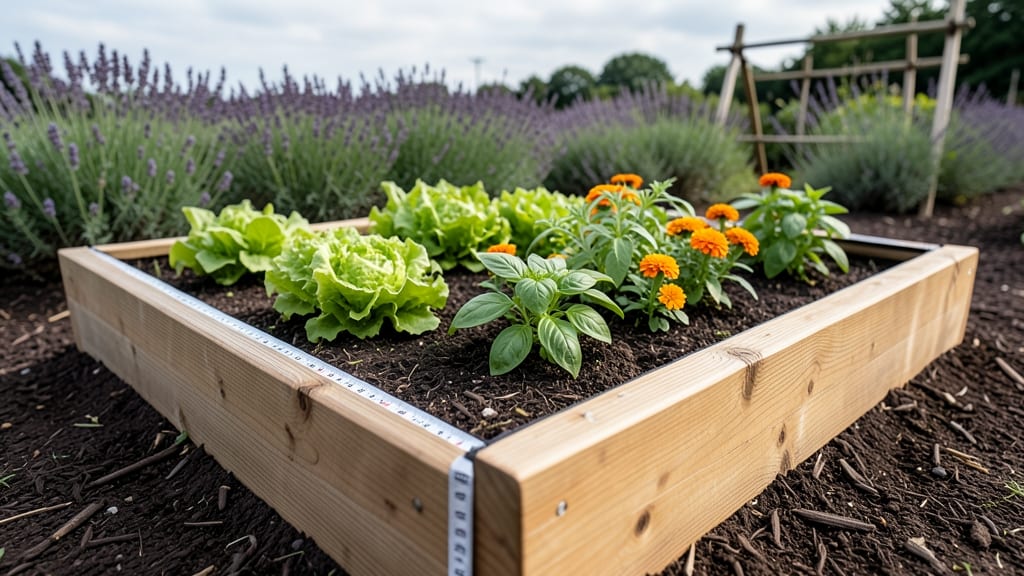
Determining the right garden bed size ensures easy reach and proper plant spacing, with widths typically between 3 to 4 feet for comfortable access from both sides. Length should adapt to plant growth needs and sunlight exposure.
This standard width balances ergonomics and horticulture—any wider forces you to step into the bed, compacting soil and disturbing roots, while narrower beds make weeding and harvesting awkward. 🌱 For example, a 4-foot-wide bed lets you stand comfortably on either side, while taller plants like sunflowers or tomatoes might need narrower beds (2-3 feet) to prevent shading inner rows.
Shorter crops like lettuce or herbs thrive in wider beds where airflow reduces disease risk.
Length becomes more flexible but should consider your space and sunlight patterns. A 6-foot bed might work for a sunny patio, while a 12-foot stretch could accommodate row crops like carrots or beans.
Pro tip: leave at least 18 inches between beds for tools and easy access—this prevents soil compaction from walking.
💡 In This Article
- Why 3-4 Feet Is the Ideal Garden Bed Width
- Adjusting Garden Bed Size for Different Plant Types
Why 3-4 feet is the ideal garden bed width
Your average adult's comfortable reach extends about 2-3 feet to either side when standing upright. A 3-4 foot wide bed lets you work from both sides without stepping into the soil, which prevents compaction that smothers plant roots.
The 4-foot maximum comes from the "two-arms-length" rule—any wider forces you to step inside, disturbing the soil structure and potentially damaging shallow-rooted plants like lettuce or radishes.
The science behind this width also involves airflow and sunlight distribution. Plants on the outer edges receive more direct sunlight, while those in the center get dappled light.
A 4-foot bed ensures even exposure for most crops, while narrower beds (2-3 feet) work better for sun-loving plants like tomatoes or peppers that need maximum light penetration.
The bed's width also affects how quickly soil dries—wider beds dry faster at the edges, which can stress moisture-sensitive plants like spinach.
Consider the ergonomics: bending over a 2-foot-wide bed for weeding or harvesting creates awkward angles that strain your back. Meanwhile, a 5-foot bed forces you to step inside, compacting soil and creating paths that disrupt root systems.
The 3-4 foot range strikes the perfect balance, letting you work efficiently while maintaining healthy soil structure. 🌱 For example, my own 4-foot raised beds make it effortless to reach every corner without bending over for longer than 10-15 seconds at a time.
Soil compaction is the silent enemy of plant health. When you step into a garden bed, your weight compresses the topsoil, reducing pore space by up to 30%. This limits root growth and water absorption.
The 3-4 foot width prevents this by keeping you on stable ground, while also allowing room for tools like hoes or trowels to work effectively without crowding. Even professional gardeners follow this rule—it's why most commercial raised beds and in-ground plots adhere to these dimensions.
Another key factor is how width affects plant spacing. In a 4-foot bed, you can typically plant in two rows with 18-24 inches between plants, leaving room for airflow that reduces fungal diseases.
Narrower beds (2 feet) might only fit one row, while wider beds (> 5 feet) force you to stagger rows or plant in clusters, which can create microclimates where some plants get too much shade.
For visual reference, imagine standing in the middle of a 4-foot bed—your arms can comfortably sweep the entire width without overreaching. This is why this width has become the gold standard in both backyard and commercial gardening.
The consistency also makes it easier to rotate crops yearly, as the same dimensions work for vegetables, herbs, and flowers alike.
Pro tip: If you're working with a 3-foot bed, consider adding a 12-inch path on one side for tool storage or seating. This maintains the ergonomic benefits while giving you extra workspace.
The key is always keeping your body weight off the growing area to preserve that precious topsoil structure. 💫