
Plants
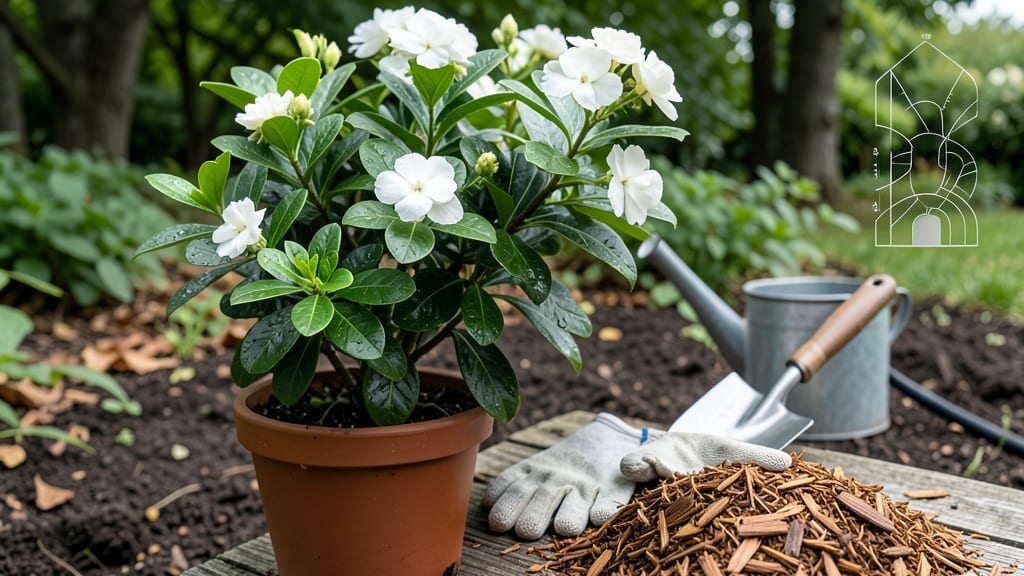
Plant gardenias in Georgia between mid-March and April after the last frost date, when soil temperatures hit 60°F+—the sweet spot for root establishment.
Georgia’s warm climate makes it a dream location for gardenias 🌸, but timing your planting just right ensures vibrant blooms and thriving bushes. Miss the frost-free window, and your gardenias could struggle to establish roots before winter’s chill arrives.
Inland areas like Atlanta (Zone 7b) can plant as early as late February, while coastal regions like Savannah (Zone 8b) may wait until early April. The key is watching for consistent nighttime temperatures above 50°F—a sign the ground is ready.
Below, I’ll break down the exact frost-free dates by county, soil prep tips, and how to adjust for your microclimate—whether you’re in the Piedmont or near the coast.
Georgia’s frost-free planting Zones for gardenias by county
Georgia’s diverse climate—spanning USDA Zones 7b to 9a—creates perfect conditions for gardenias, but timing matters. Plant too early, and frost damage risks root rot. Too late, and your gardenia may struggle to establish before winter.
Each county has its own last frost date, which determines your ideal planting window.
Most gardenias thrive when planted in early spring (March-April), but cold-hardy varieties like ‘Kleim’s Hardy’ can handle late fall plantings (October-November). Below, I’ve broken down Georgia’s counties by USDA zone, last frost dates, and the best months to plant for maximum bloom success.
Pro Tip: Always check your local Almanac’s frost calendar or use a soil thermometer—gardenias need 60°F+ soil to root successfully. Coastal areas (like Savannah) often have earlier frost-free windows than inland regions (like Athens).
For coastal counties like Ch
Signs your Georgia gardenia is ready to plant (and when to wait)
Georgia gardenias thrive when planted at the perfect soil temperature and weather conditions. The key is waiting until the ground warms to 60°F or higher—this ensures roots establish quickly before summer heat arrives.
In most of Georgia, this typically aligns with mid-March to early April, but coastal regions can start slightly earlier.
Another critical sign is the absence of frost risk. Gardenias are frost-sensitive, so planting too early—even if soil is warm—can damage tender roots. Check your local last frost date (usually March 15 for most of Georgia) and wait 2-3 weeks after to be safe.
For example, in Zone 8 counties like Savannah, you can plant as early as late February.
⚠️ WARNING: Planting Too Early or Late ⚠️
Pay attention to local weather patterns beyond frost dates. If your area experiences unpredictable late frosts (like northwest Georgia), delay planting until you’ve seen consistent 60°F+ nights for a week.
A simple trick: Watch for azalea blooms—they signal safe planting conditions for gardenias, as both thrive in similar acidic, moist soil.
Your gardenia’s foliage color can also hint at readiness. Healthy plants for transplanting have deep green leaves with no yellowing or browning. Avoid planting if leaves look wilting or brittle—this often means the plant was stressed by cold storage or root-bound.
Soak container-grown gardenias for 10-15 minutes before planting to rehydrate roots and improve transplant shock recovery.
Finally, consider moisture levels in your planting site. Gardenias despise waterlogged soil, so if your yard stays soggy after rains, amend the area with organic matter like pine bark to improve drainage.
A quick test: Dig a 6-inch hole—if water pools after 30 minutes, your site needs amendments before planting. Well-draining soil is just as critical as timing!
By combining soil temperature checks, frost-free confirmation, and plant health signs, you’ll give your Georgia gardenia the best possible start. Patience now means fragrant blooms by summer—not a sad, stunted shrub struggling to survive. Happy planting! 🌸