
Tools
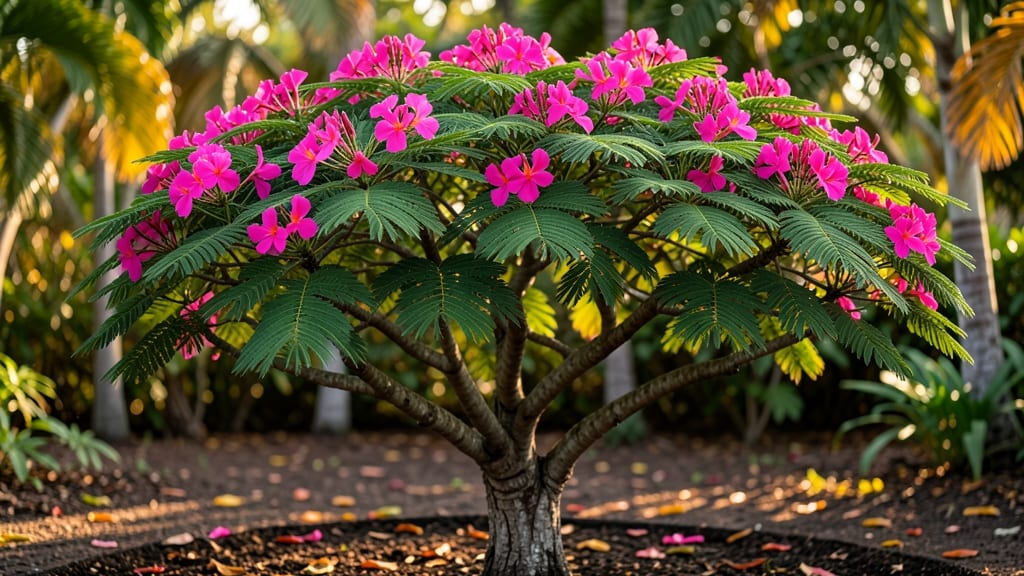
The Florida Botanical Garden features stunning collections of Florida-native plants alongside exotic tropical species, from rare orchids and cycads to vibrant palms—plus seasonal blooms like bromeliads and ginger lilies. This year-round destination offers guided tours, educational programs, and themed gardens including the Butterfly Garden and Native Plant Conservatory.
The Florida Botanical Garden isn't just a pretty postcard—it's a living classroom where you can see Florida's ecological diversity in action. 🌿 Native species like sabal palms and coontie cycads thrive alongside tropical imports such as hibiscus and bird-of-paradise, creating a fascinating contrast.
What makes this garden special is how it balances conservation with beauty, featuring rare plants that might otherwise disappear from Florida's landscape. Plus, the themed gardens like the Butterfly Garden transform into vibrant living tapestries during peak bloom seasons.
Whether you're a plant enthusiast or just love scenic walks, this garden delivers year-round surprises. The guided tours reveal hidden stories behind each species, while the educational workshops let you get hands-on with Florida's flora.
And don't miss the seasonal highlights—spring wildflowers, summer butterfly migrations, and fall orchid displays create ever-changing reasons to return.
💡 In This Article
- Native Florida Plants vs. Tropical Species in the Garden
- Best Times to Visit Florida Botanical Garden by Season
Native Florida plants vs. tropical species in the garden
The Florida Botanical Garden serves as a fascinating ecological bridge between Florida's native flora and tropical imports, each adapted to thrive in the state's unique subtropical climate.
Native species like the sabal palm (Serenoa repens) and coontie cycad (Zamia integrifolia) have evolved over millennia to withstand Florida's seasonal droughts and sandy soils.
These plants often feature deep root systems that access groundwater and waxy leaves that minimize water loss—critical adaptations for Florida's 60-80°F average temperatures and occasional 90°F+ heatwaves.
Tropical species, however, bring dramatic visual contrast with their vibrant blooms and lush foliage. Take the hibiscus (Hibiscus rosa-sinensis), which originated in Asia but thrives in Florida's climate thanks to its ability to tolerate humidity and occasional freezes (-2°C tolerance).
The garden's bird-of-paradise (Strelitzia reginae) showcases another tropical import, with its striking blue-and-orange flowers that mimic the bird's plumage—a perfect example of how introduced species can become naturalized in Florida's ecosystem.
Conservationists use these tropical plants to demonstrate how non-native species can sometimes outcompete native flora, creating educational opportunities about ecological balance.
What's particularly striking is how the garden's design incorporates these ecological distinctions. Native plants are often grouped in sunlight-rich areas that mimic Florida's natural habitats, while tropical species thrive in the more shaded, moisture-rich zones. This intentional layout helps visitors understand how microclimates within the garden create different growing conditions.
For instance, the Butterfly Garden features native milkweed (Asclepias) alongside tropical passionflowers (Passiflora), demonstrating how both support butterfly populations through different life stages.
One of the garden's most important roles is conservation. Native species like the coontie cycad face threats from habitat loss and overcollection, making the garden's preservation efforts critical.
These ancient plants, which predate dinosaurs, have slow growth rates (taking decades to mature) and are protected under Florida's Endangered and Threatened Species Act. Meanwhile, tropical species serve as living examples of how introduced plants can sometimes become invasive—highlighting the delicate balance gardeners maintain to protect Florida's native biodiversity.
The sensory experience of walking through these sections reveals their differences. Native palms rustle softly in the breeze with their fan-shaped fronds, while tropical hibiscus release a sweet, citrusy fragrance when touched.
The contrast in textures—from the rough, fibrous bark of coontie cycads to the smooth, waxy leaves of tropical plants—creates a multi-sensory journey that educates as much as it delights. 🌿 This ecological storytelling is what makes the Florida Botanical Garden more than just a pretty landscape; it's a living laboratory of Florida's botanical heritage.
For visitors interested in deeper ecological insights, guided tours often focus on these distinctions, explaining how pollinators interact differently with native versus tropical plants. For example, native bees have co-evolved with Florida's native flora, while tropical plants may attract more generalist pollinators like butterflies and hummingbirds.
This pollinator diversity is why the garden's Butterfly Garden becomes a riot of color during peak bloom seasons, with over 50 species of butterflies visiting daily.