
Tools
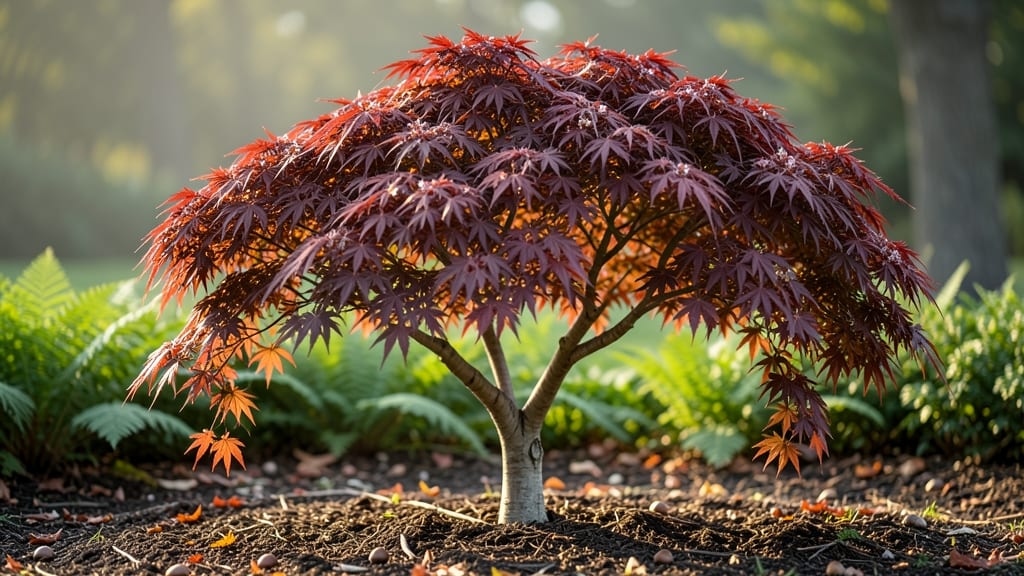
The Montreal Botanic Garden showcases breathtaking seasonal transformations, from spring tulip festivals to autumn foliage displays and winter holiday lights, alongside rare plant collections like the Chinese and Japanese pavilions. Visiting during special events like the Orchid Showcase maximizes your experience.
The Montreal Botanic Garden isn't just a park—it's a living calendar of natural beauty. 🌸 What makes it special is how it adapts its 19 themed gardens to Montreal's climate, creating vibrant displays year-round.
The Chinese and Japanese pavilions alone house over 2,000 plant species, many of which thrive in the garden's microclimates. I always recommend visiting in late May for the Tulip Festival or early October for the chrysanthemum displays, when the colors are at their peak intensity.
Beyond the seasonal highlights, the garden hides lesser-known treasures like the Insectarium and the Alpine Garden, where rare species like the Venus flytrap grow in carefully controlled environments.
The Greenhouses offer a tropical escape during colder months, while the Japanese Garden provides a serene retreat with its meticulously designed landscapes. Pro tip: Weekday mornings are ideal for avoiding crowds during peak seasons.
💡 In This Article
- Montreal Botanic Garden’s Year-Round Plant Collections
- Best Times to Visit for Seasonal Events and Hidden Gems
Montreal botanic garden’s year-round plant collections
The Montreal Botanic Garden’s ability to showcase such diverse plant life year-round hinges on its microclimate engineering. Montreal’s climate—with cold winters (-10°C average) and warm summers (22°C average)—would typically limit tropical plants to greenhouses.
However, the garden uses geothermal heating systems in its Greenhouses to maintain 25-30°C year-round, allowing species like the Victoria amazonica water lily to thrive. The Chinese and Japanese pavilions further optimize humidity and light, creating ideal conditions for delicate orchids and bonsai trees.
Seasonal blooms are carefully curated to align with Montreal’s climate patterns. For example, the Tulip Festival in May coincides with the garden’s 1,000+ tulip varieties blooming after the last frost (typically mid-April).
Meanwhile, the Alpine Garden—located at 1,200 meters elevation—features hardy species like the Venus flytrap, which requires 50-70% humidity and acidic soil, mimicking its Carolina bog habitat.
The garden’s 19 themed gardens each serve as a controlled environment, from the Mediterranean Garden’s drought-resistant lavender to the Japanese Garden’s shaded maples.
What’s fascinating is how the garden’s soil science plays a role. The Chinese Pavilion uses a proprietary mix of peat moss, perlite, and compost to maintain the acidity (pH 5.5-6.5) needed for camellias and azaleas.
Meanwhile, the Japanese Garden relies on a gravel-and-sand drainage system to prevent root rot in its koi ponds. These techniques ensure that even rare species—like the Ginkgo biloba (a living fossil)—flourish in Montreal’s unpredictable weather.
The garden’s seasonal rotations also maximize visual impact. In spring, the Rhododendron Collection bursts into color, while autumn brings chrysanthemums in hues of gold and crimson. Winter transforms the garden into a holiday lightscape, with 1.5 million LED bulbs illuminating pathways.
This strategic planning ensures that every visit feels fresh, even for regulars. 🌿 The result? A 40-acre living museum where science and artistry collide.
For plant enthusiasts, the garden’s Greenhouses are a must-visit. The Tropical Greenhouse mimics a rainforest, with 90% humidity and temperatures hovering around 28°C. Here, you’ll find carnivorous plants like the Nepenthes pitcher plant, which thrives in these conditions.
The Desert Greenhouse, on the other hand, replicates arid environments with low humidity and intense sunlight, housing cacti and succulents that store water in their stems.
One often-overlooked gem is the Insectarium, where live exhibits showcase the garden’s role in biodiversity. The Venus flytrap, for instance, is part of a conservation program that studies how these plants adapt to climate changes.
The garden’s pollinator-friendly gardens also play a critical role in supporting Montreal’s bee and butterfly populations, with native milkweed and lavender planted specifically to attract them.
If you’re planning a visit, timing matters. Spring and summer offer the most vibrant outdoor displays, while winter’s holiday lights and indoor greenhouses provide a cozy escape.
Pro tip: The Japanese Garden is best explored in early morning, when the light filters through the maple trees for a serene, almost magical experience. 🌸