
Lawn
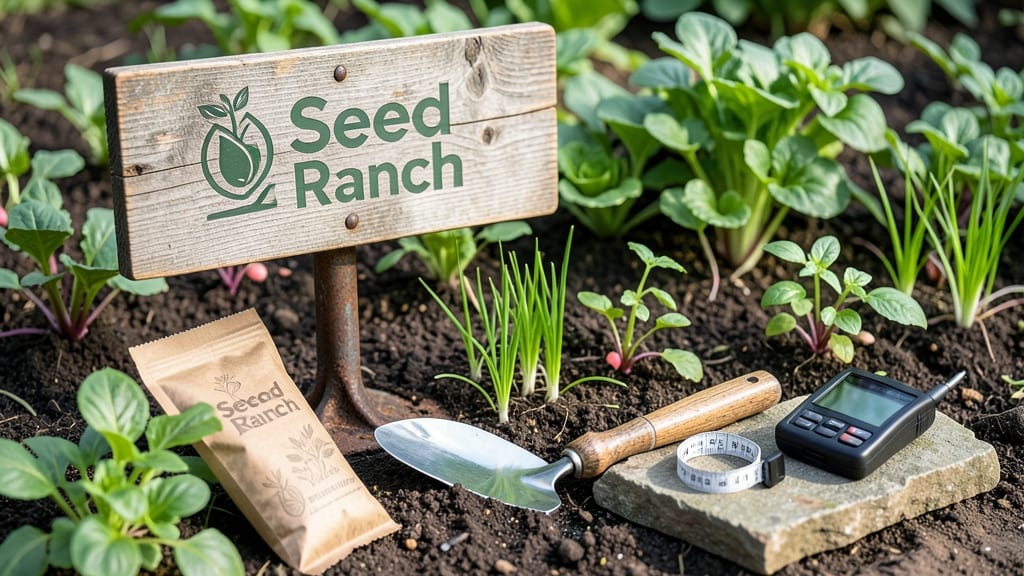
Evaluating Sod Company Seed Ranch soil for veggie gardens shows it has a balanced loamy composition with a neutral pH range of 6.0–7.0, making it perfect for growing root vegetables and leafy greens. However, you may need to add compost to support heavy feeders like tomatoes or peppers, while also checking drainage to prevent waterlogging.
Seed Ranch soil's loamy texture (about 40% sand, 40% silt, and 20% clay) provides excellent drainage while retaining moisture—ideal for most vegetables. 🌱 The moderate pH (6.0–7.0) ensures nutrients like nitrogen, phosphorus, and potassium are readily available, but micronutrients such as iron or zinc might need a boost for certain crops.
For instance, leafy greens like spinach thrive in this soil with minimal amendments, while nitrogen-hungry plants like corn may benefit from a light application of blood meal or fish emulsion.
To maximize your garden's potential, start by conducting a simple soil test to confirm pH and nutrient levels. If the soil feels compacted or drains too slowly, mix in 1–2 inches of compost or coarse sand to improve structure.
For heavy feeders, consider adding aged manure or worm castings to enrich the soil naturally. I’ve found that rototilling in compost before planting often eliminates the need for additional fertilizers during the growing season.
💡 In This Article
- Seed Ranch Soil Composition & pH Impact on Vegetable Growth
- Amending Seed Ranch Soil for High-Yield Veggie Gardens
Seed Ranch soil composition & pH impact on vegetable growth
The Seed Ranch soil's loamy composition—approximately 40% sand, 40% silt, and 20% clay—creates an ideal balance for vegetable gardens. The sand particles provide excellent drainage, preventing waterlogging, while the silt and clay retain moisture and nutrients.
This texture mimics the natural loam found in productive agricultural soils, which explains why it's favored for root vegetables like carrots and beets. 🌱 The crumbly structure also allows roots to penetrate easily, reducing stress on plants during growth.
The moderate pH range of 6.0–7.0 is crucial because it determines nutrient availability. At this neutral-to-slightly-acidic level, essential macronutrients like nitrogen, phosphorus, and potassium remain soluble and accessible to plants. For example, leafy greens such as spinach and lettuce thrive in this pH range, absorbing nutrients efficiently.
However, micronutrients like iron or manganese can become less available in slightly alkaline conditions (above 7.0), which is why Seed Ranch soil's consistency is particularly advantageous for micronutrient-sensitive crops like Swiss chard or kale.
What most gardeners overlook is how pH affects micronutrient deficiencies. If your soil tests slightly above 7.0, plants may develop yellowing leaves (chlorosis) due to iron deficiency, even if the soil appears fertile.
This is why a simple soil test kit (costing around $20–$30) is invaluable—it reveals exact pH and nutrient levels, allowing you to make targeted amendments. For instance, adding elemental sulfur can lower pH if it drifts too high, while lime raises it if needed.
Seed Ranch soil’s organic matter content typically sits around 3–5%, which is decent but may require supplementation for heavy feeders. Tomatoes, for example, demand consistent nitrogen and phosphorus, which this soil provides but may deplete over time.
The solution? Mix in 1–2 inches of compost before planting to replenish organic matter and improve microbial activity. This step is especially critical in the first growing season, as it jumpstarts nutrient cycling in the soil.
Consider this comparison: Root crops like radishes and turnips grow best in well-drained, loose soil, which Seed Ranch provides naturally. In contrast, crops like potatoes—which need phosphorus for tuber development—benefit from a pre-planting application of bone meal (1–2 tablespoons per plant).
The soil’s loamy texture ensures these amendments integrate seamlessly, avoiding compaction that could stunt root growth. 🌿