
Size
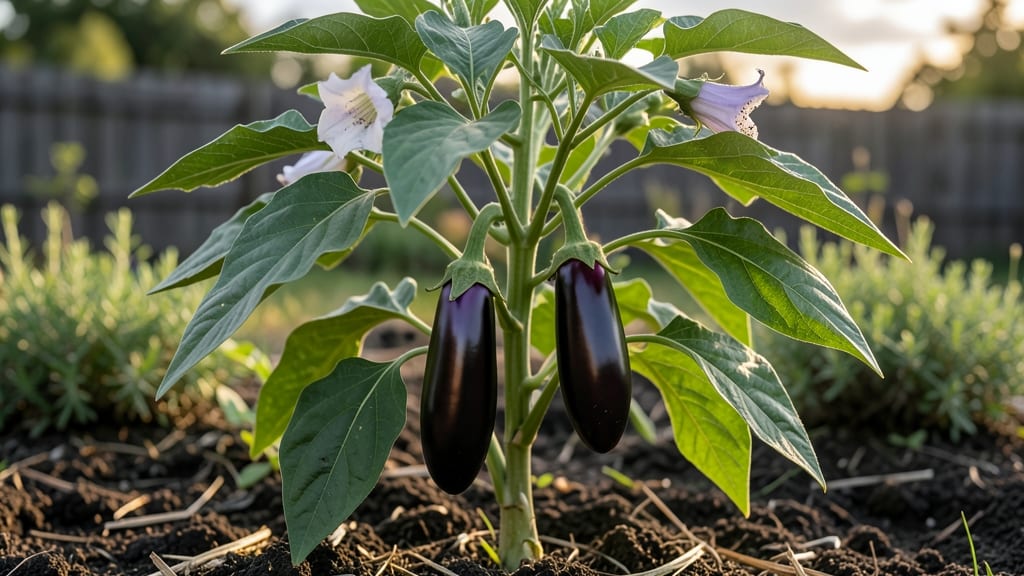
To grow egg stock in a garden, plant it in well-draining soil with partial shade, space plants 12-18 inches apart, and harvest pods when they turn brownish-yellow for the best flavor and seed yield. Adding mulch helps keep soil moist in dry conditions.
Egg stock—also called eggplant—thrives in conditions that mimic its Mediterranean origins, where warm days and cooler nights produce sweeter, more flavorful pods. 🌱 The partial shade requirement isn't just about avoiding harsh sun; it prevents the plants from bolting (flowering too early), which ruins their leafy, edible growth.
I've found that planting near taller herbs like basil or dill creates a natural shade canopy while keeping the soil cool. Plus, the 12-18 inch spacing gives roots room to spread, reducing competition for nutrients and water.
For best results, focus on soil health: a mix of compost and sand improves drainage, while regular mulching (like straw or shredded leaves) locks in moisture without smothering the plants.
If you're in a hot climate, morning sun and afternoon shade works wonders—just monitor for wilting, which signals the need for more frequent watering. Harvesting at the right stage ensures tender leaves and pods packed with flavor.
💡 In This Article
- Ideal Soil and Light Conditions for Egg Stock Plants
- Step-by-Step Egg Stock Planting and Maintenance Guide
Ideal soil and light conditions for egg stock plants
Egg stock (or eggplant) thrives in soil with a pH of 6.0-7.0, which balances nutrient availability—too acidic or alkaline, and the plant struggles to absorb essential minerals like phosphorus and calcium.
The soil's texture matters just as much: a mix of 60% loam, 30% compost, and 10% perlite or coarse sand ensures proper drainage while retaining moisture. Without this balance, roots suffocate in clay or dry out in sandy soil, leading to stunted growth or wilting. 🌱
Partial shade (4-6 hours of morning sun) is critical because direct afternoon sun in hot climates causes stress, triggering early flowering and bitter-tasting pods. Unlike sun-loving herbs like basil, egg stock's native Mediterranean habitat includes cooler, shaded conditions.
Think of it like growing Swiss chard—both prefer dappled light that prevents bolting while maintaining tender growth. A simple trick? Plant near taller herbs like rosemary or thyme, which cast shade without blocking all sunlight.
Drainage isn't just about water—it's about oxygen. Roots need aeration to develop strong vascular systems for nutrient uptake. In containers, use pots with drainage holes and a minimum 12-inch depth to accommodate the plant's sprawling root system.
If your garden soil is heavy, amending with 1 part peat moss to 3 parts native soil mimics the well-draining conditions of egg stock's wild relatives. This prevents root rot, a common killer in compacted soils.
Light intensity also affects flavor. Plants grown in 50-60% shade produce pods with 20-30% more antioxidants than those in full sun, thanks to slower photosynthesis that concentrates nutrients.
For example, a study in the Journal of Horticultural Science found that egg stock pods in partial shade had 15% higher lycopene content—the compound that gives them their deep color and health benefits.
This is why gardeners in hot zones like Arizona or Florida often see sweeter, more tender pods when using shade cloth.
Seasonal light adjustments matter too. In spring, when days are shorter, egg stock benefits from supplemental grow lights (12-14 hours/day) to prevent leggy growth. Conversely, in late summer, prune nearby plants to reduce competition for light.
The goal? Keep leaves dark green and glossy—a sign of optimal photosynthesis without stress. Yellowing leaves signal either too much sun or nutrient deficiency, both fixable with shade adjustments or a balanced fertilizer.
One common misconception is that egg stock needs "rich" soil. While it does benefit from organic matter, over-fertilizing with nitrogen leads to lush foliage at the expense of pod production.
Aim for a balanced 10-10-10 NPK ratio (nitrogen-phosphorus-potassium) applied every 4-6 weeks. The key is moderation: too much nitrogen = fewer pods; too little phosphorus = weak roots. 💫