
Tools
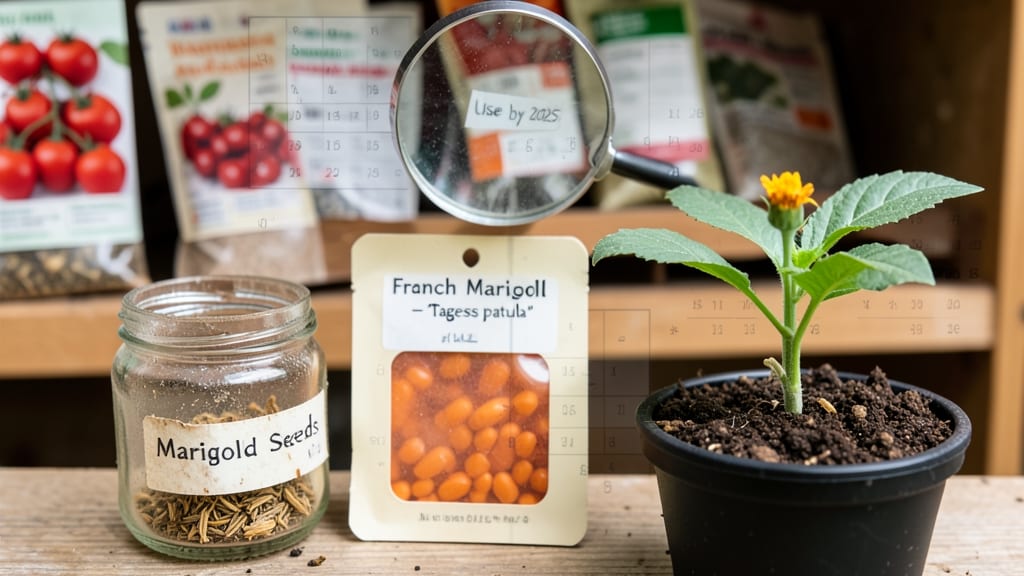
Yes, garden seeds do go bad over time, with viability dropping after 1-5 years depending on type—vegetables like tomatoes and lettuce last 1-2 years, while hardy seeds like peas or beans can survive 3-5 years if stored properly in cool, dry conditions below 40°F.
Seed quality declines due to natural aging processes, where moisture, heat, and oxygen accelerate deterioration. 🌱 The enzymes inside seeds break down their protective coatings over time, reducing their ability to sprout.
For example, delicate seeds like basil or cilantro may lose viability within just 6-12 months, while heirloom varieties often last longer thanks to their thicker seed coats. Proper storage isn't just about temperature—humidity control and light exposure play equally critical roles in preserving germination potential.
Even well-stored seeds eventually degrade, but understanding these factors helps maximize their lifespan. Testing a small batch before planting can reveal whether your seeds are still viable, saving you from wasted efforts.
The key is balancing convenience with preservation—using the right containers and conditions makes all the difference for your garden's success.
💡 In This Article
- Seed Viability Factors: How Heat, Moisture, and Oxygen Shorten Shelf Life
- Best Storage Methods to Extend Garden Seed Longevity
Seed viability factors: how heat, moisture, and oxygen shorten shelf life
Every seed contains enzymes that trigger germination when conditions are right—but these same enzymes slowly break down the seed's protective layers over time. The process begins with moisture content, where even small amounts (above 10% humidity) activate enzymes that degrade stored nutrients.
For example, tomato seeds with 12% moisture lose 50% viability in just 2 years, while properly dried seeds maintain 90%+ germination for 4+ years. 🔥 The science here is simple: water acts like a catalyst, speeding up cellular breakdown.
Temperature compounds the problem exponentially. Seeds stored above 70°F experience accelerated aging—think of it like food spoilage in your fridge versus your pantry. A study from the University of Wisconsin found that bean seeds stored at 86°F lost viability 3x faster than those kept at 40°F.
The ideal range is 32-40°F, where metabolic activity slows to a crawl. Oxygen plays a hidden role too: exposure to air causes oxidation, which creates free radicals that damage cell membranes—this is why vacuum-sealed packets preserve seeds longer than open containers.
Seed type matters more than most gardeners realize. Delicate seeds like lettuce or carrot have thin outer shells and lose viability within 1-2 years, while hardy seeds like peas or onions can last 5+ years thanks to thicker protective layers.
Even within families, varieties differ: heirloom tomato seeds often outlast hybrid varieties by 1-2 years because their genetic diversity includes stronger protective enzymes. The takeaway? Your storage method must match your seed's natural resilience. 💫
Light exposure is another silent killer. While seeds don't photosynthesize like plants, prolonged light (especially UV) breaks down pigments and weakens cell walls. That's why opaque containers are non-negotiable—even indirect sunlight can reduce viability by 15-20% over a year.
The combination of heat, moisture, and light creates a perfect storm for degradation, which is why professional seed banks use freezer storage (-0°F) for long-term preservation. For home gardeners, mimicking these conditions as closely as possible is key to extending shelf life.
Here's what happens at the cellular level: as seeds age, their lipids oxidize, proteins denature, and DNA strands fragment. This degradation isn't linear—it accelerates in the final 1-2 years of a seed's life.
For instance, a 3-year-old tomato seed might still germinate at 70% efficiency, but a 4-year-old seed could drop to 30% overnight. The good news? Proper storage can push these timelines by 25-50%, turning a 2-year shelf life into 3 or more. ✨
Testing germination before planting reveals these hidden losses. The paper-towel method (placing seeds between damp paper towels for 5-7 days) shows exactly how many seeds are still viable.
I've seen gardeners discard perfectly good seeds because they assumed all seeds from a 5-year-old packet were useless—only to find 40% still sprouted when tested. This simple check saves money and frustration every season.