
How To
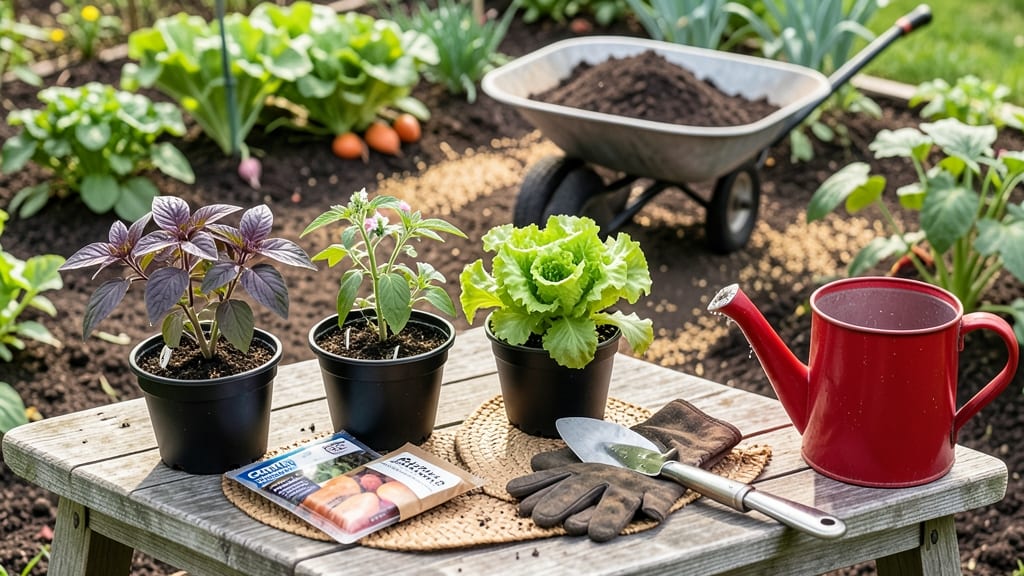
To grow a garden successfully, start by picking a sunny spot with good drainage, enrich the soil with compost, and plant hardy vegetables or herbs that thrive in your local climate. Keep your garden small at first to manage it easily while learning the basics.
Growing your own garden is all about creating the right conditions for plants to thrive. 🌱 The key is starting small—whether it's a 4x4-foot patch or a few containers on your balcony—so you can focus on mastering soil prep, watering routines, and pest control without feeling overwhelmed.
I’ve found that even a modest garden can yield fresh herbs, crisp lettuce, or juicy tomatoes with just a little patience and the right techniques.
Most beginners make the mistake of rushing into planting without testing their soil first. A simple soil test kit (available at garden centers) will tell you if your dirt needs more nitrogen, phosphorus, or organic matter.
Amending with compost or aged manure works wonders—think of it as giving your plants a nutrient-rich foundation. And don’t forget sunlight: 6-8 hours of direct light per day is ideal for most vegetables and herbs.
💡 In This Article
- Essential Steps to Prepare Soil for a Thriving Garden
- Best Beginner-Friendly Plants for Low-Maintenance Gardens
Essential steps to prepare soil for a thriving garden
Soil preparation is where your garden's success begins, and the first step is testing your soil's composition. Grab a soil test kit or send a sample to your local extension office—they'll reveal critical details like pH levels, organic matter content, and nutrient deficiencies.
For example, most vegetables prefer a slightly acidic to neutral pH of 6.0-7.0, while blueberries thrive in acidic soil (4.5-5.5). If your soil is too alkaline, a sprinkle of elemental sulfur or peat moss can help adjust it over time.
The texture matters just as much as chemistry. Ideal garden soil should feel like a moist sponge—light enough to crumble between your fingers but dense enough to hold moisture. Sandy soil drains too quickly, while clay holds water like a brick.
To improve drainage and aeration, mix in 2-3 inches of compost or well-rotted manure into the top 6-12 inches of soil. This adds vital microbes and organic matter that plants crave, boosting their ability to absorb nutrients by up to 30%. 🌱
Don't overlook the importance of soil structure. Before planting, loosen compacted soil with a garden fork or tiller to create space for roots to spread. Think of it like fluffing a pillow—roots need room to breathe and access nutrients.
For container gardens, use a high-quality potting mix that includes perlite or vermiculite to prevent compaction. These additives create tiny air pockets, which are crucial for root health and preventing waterlogging.
Timing plays a role too. In most climates, the best time to amend soil is in early spring or late fall, giving nutrients time to integrate before planting. If you're starting a new garden bed, consider a lasagna gardening approach: layer cardboard (to block weeds), compost, and mulch.
This method builds soil fertility over time with minimal effort, perfect for beginners.
One common mistake is assuming all soil amendments are equal. For instance, fresh manure can burn plants if not fully decomposed, while compost provides slow-release nutrients. To check readiness, look for dark, crumbly material with an earthy smell—no pungent odors.
For a quick boost, try worm castings, which are packed with beneficial microbes and nutrients plants can use immediately.
Finally, mulch isn't just for decoration—it's a soil protector. Apply a 2-3 inch layer of straw, wood chips, or shredded leaves to retain moisture, suppress weeds, and regulate soil temperature.
In summer, mulch keeps roots cool; in winter, it insulates them from frost. This simple step can reduce watering needs by 30-50% while keeping your soil healthy year-round. ✨