
Watering
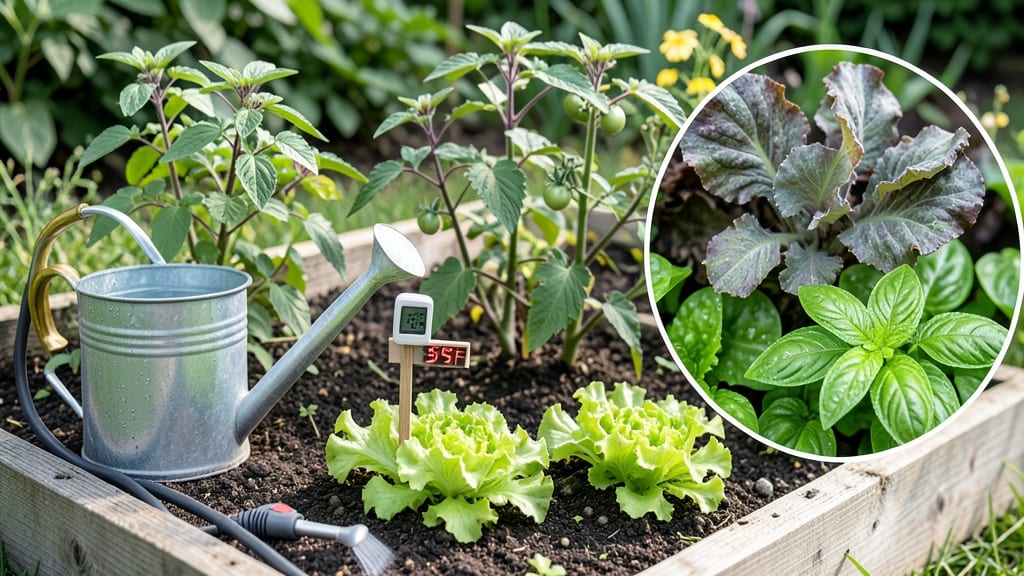
You shouldn't water your garden every day in hot weather, as daily watering suffocates roots, encourages fungal growth, and wastes water. Instead, deep watering 2-3 times per week builds stronger root systems and improves drought resilience, adapting to your soil type and plant varieties.
Daily watering in extreme heat actually creates more problems than it solves. 🌱 When soil stays constantly moist, oxygen can't reach roots, which weakens plants and makes them vulnerable to diseases like powdery mildew.
The key is to water deeply—about 1-1.5 inches per session—so moisture penetrates 6-12 inches down, encouraging roots to grow deeper where they'll find natural moisture during dry spells.
Most gardeners overestimate how often plants need water in summer. Vegetables like tomatoes and peppers often thrive on every other day in heat, while drought-resistant plants like lavender or succulents may only need water once every 7-10 days.
The best test? Stick your finger 2-3 inches into the soil—if it feels dry, that's your cue to water. Morning is always better than evening to prevent evaporation waste and fungal issues.
💡 In This Article
- How Often to Water Plants in Extreme Heat
- Signs Your Garden Needs Water (Without Overdoing It)
How often to water plants in extreme heat
The science behind plant hydration reveals why daily watering backfires during heatwaves. When soil stays perpetually damp, oxygen levels drop below 10%—critical for root respiration.
This suffocates roots, causing them to rot or grow shallowly, while also inviting fungal pathogens like Phytophthora that thrive in wet conditions. 🔥 The ideal moisture balance maintains 20-30% soil porosity, allowing both water and air to reach roots at 6-12 inches deep.
Evaporation rates in summer can exceed 0.25 inches per hour on sunny days, meaning surface water disappears faster than plants can absorb it. Sandy soils drain within 1-2 hours, while clay holds moisture for 3-5 days—but both need strategic watering.
Deep irrigation (1-1.5 inches per session) mimics natural rainfall patterns, encouraging roots to seek moisture deeper where temperatures stay cooler. Vegetables like tomatoes develop stronger root systems when watered every 2-3 days, while ornamentals often thrive on weekly deep waterings.
Heat stress triggers unique plant responses. Leafy greens wilt quickly but recover with morning watering, while succulents store water in their leaves and need minimal intervention.
The key is matching water volume to soil type: sandy soils need frequent shallow waterings, while clay benefits from infrequent deep soakings. A moisture meter reveals the truth—most plants signal thirst when soil reaches 40-50% moisture loss.
Overwatering creates a vicious cycle: plants develop weak, shallow roots that can't access deeper moisture, making them more dependent on frequent surface watering. This cycle wastes up to 50% of water—most evaporates before reaching roots.
The solution? Use drip irrigation or soaker hoses to deliver water directly to the root zone, reducing runoff and fungal risks. Mulching with 2-3 inches of organic matter retains moisture while regulating soil temperature.
Consider these factors when adjusting your schedule:
- Soil type: Sandy soils dry 2x faster than clay
- Plant type: Vegetables need more frequent water than perennials
- Weather: Wind increases evaporation by up to 30%
- Season: Early summer heatwaves require 20% more water than late summer
Most gardeners overestimate their plants' thirst—what feels dry to the touch might still contain 30% moisture. A simple finger test (inserting your finger 2-3 inches deep**) reveals the real story. When soil feels crumbly and dry at that depth, it's time to water deeply—not lightly. 💫