
Advice
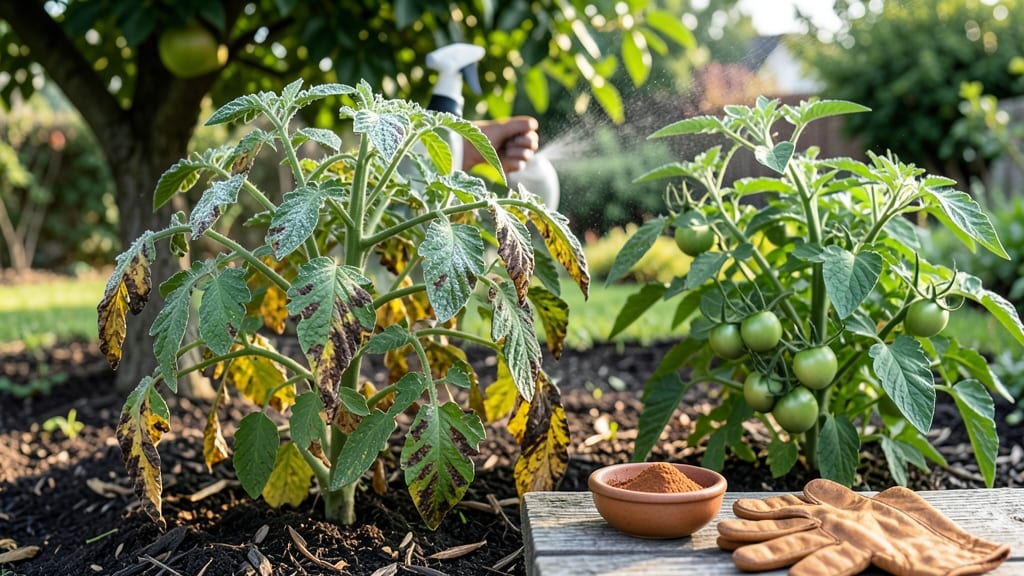
You can sprinkle cinnamon in your garden to naturally repel pests like slugs and ants while offering antifungal benefits, but apply it lightly to avoid harming soil microbes or plant roots. Always use organic, food-grade cinnamon.
Cinnamon's natural compounds—like eugenol and cinnamaldehyde—disrupt pests' scent trails, making it an effective organic deterrent. 🌿 These same compounds also inhibit fungal growth in soil, which is why gardeners often use it around susceptible plants like strawberries or tomatoes.
The key is moderation: a light dusting around plant bases or mixing a few teaspoons into water for a spray works best, while heavy applications can alter soil pH or smother beneficial microbes.
For best results, focus on areas where pests are active rather than spreading it uniformly. Herbs like basil and mint respond well to cinnamon's protective effects, while delicate flowers may not tolerate it as easily. Always test a small area first and monitor your plants for any signs of stress.
💡 In This Article
- How Cinnamon Repels Pests and Fights Fungal Diseases
- Best Ways to Use Cinnamon in Your Garden Without Risking Damage
How cinnamon repels pests and fights fungal diseases
Cinnamon's pest-repelling magic comes from its powerful chemical compounds, primarily eugenol and cinnamaldehyde. These natural oils disrupt pests' scent trails, confusing their navigation systems. For example, ants rely on pheromone trails to find food—when cinnamon's aroma interferes, they lose their way and avoid treated areas.
Studies show that even a 1 teaspoon of cinnamon powder per square yard creates an effective barrier against these insects.
The antifungal properties work similarly. Cinnamon's compounds create an inhospitable environment for soil-borne fungi by disrupting their cell membranes. This is particularly effective against powdery mildew and root rot, common problems in damp garden conditions.
The spice's mild acidity (pH around 5.5-6.5) also helps inhibit fungal spores from germinating, making it a natural alternative to chemical fungicides. 🌱
Slugs, another garden nuisance, are deterred by cinnamon's strong scent and slightly abrasive texture when crushed. The powder creates a physical barrier that irritates their slimy bodies, while the aroma masks the scent of their preferred plants.
What's fascinating is that cinnamon doesn't kill pests outright—it creates an unpleasant environment that encourages them to seek easier targets elsewhere in your yard.
However, the effectiveness depends on proper application. A light dusting around plant bases (about ½ teaspoon per plant) works best, while heavy applications can actually attract pests by altering the soil's natural scent profile.
The key is balance—enough to deter pests but not so much that it disrupts your garden's ecosystem. For example, I've found that mixing cinnamon with dried citrus peels creates a more potent repellent while masking the spice's strong aroma.
Cinnamon's benefits extend to plant health beyond pest control. Its mild antibacterial properties can help prevent bacterial leaf spot in vegetables like lettuce and spinach. The spice also acts as a natural mulch when used sparingly, helping retain soil moisture while providing a slow-release source of organic matter.
This dual functionality makes it a versatile tool in organic gardening when used correctly.
For best results, apply cinnamon in the early morning or late evening when pests are most active and temperatures are cooler. This timing maximizes its effectiveness while reducing the risk of it washing away during watering.
Always use food-grade cinnamon (not the decorative kind) to ensure you're getting the safest, most effective product for your garden. 🌿