
Container Gardens
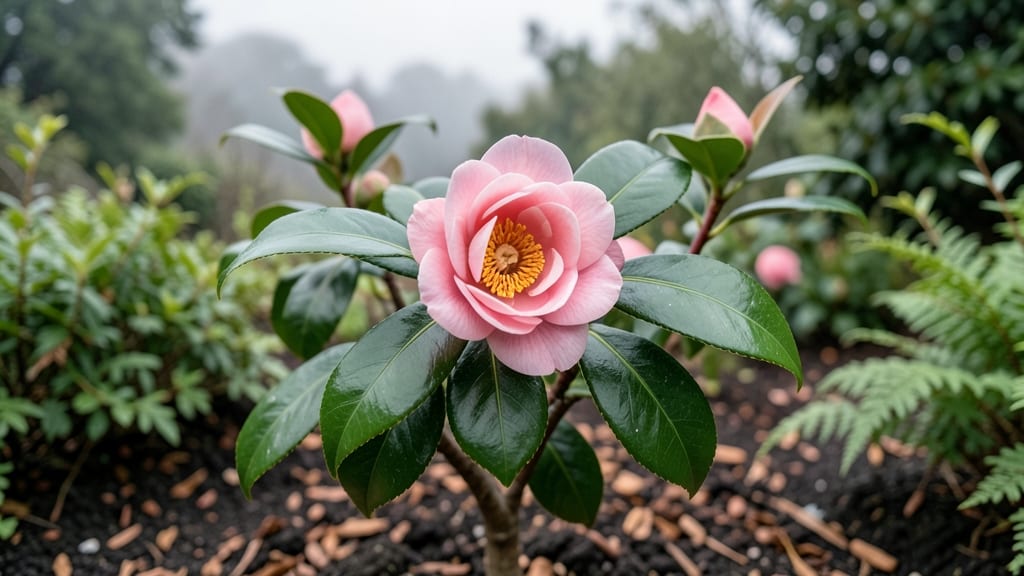
The botanical gardens in Fort Bragg highlight native Carolina plants through carefully curated trails featuring rare azaleas, magnolias, and pollinator-friendly wildflowers. These gardens promote sustainable landscaping practices and offer public access to scenic paths like the Pineview Trail and Wachovia Arboretum preserves.
The gardens serve as a living classroom for both military families and visitors, emphasizing plants adapted to North Carolina's climate. 🌿 You'll find species like switchgrass and black-eyed Susans thriving alongside historic magnolias, all selected for their drought resistance and ecological benefits.
The horticulture program even hosts workshops where you can learn to propagate native plants for your own garden.
Access is straightforward for Fort Bragg residents, while public visitors need to coordinate through the base's visitor center. Spring and fall bring the most vibrant blooms, making these the ideal seasons to explore the 20+ acres of curated landscapes.
Don't miss the self-guided trail maps available at the entrance—perfect for spotting rare Franklin trees and other native wonders.
💡 In This Article
- Native Carolina Plants Thriving in Fort Bragg’s Gardens
- Visiting Fort Bragg’s Botanical Gardens: Tips and Access Rules
Native Carolina plants thriving in Fort Bragg’s gardens
The botanical gardens at Fort Bragg serve as a sanctuary for native Carolina plants that have evolved unique survival strategies for the region's humid subtropical climate. Take the Franklin tree, for example—a rare species that thrives in the gardens' well-drained soils.
Its broad leaves (up to 12 inches wide) maximize sunlight absorption while its deep root system reaches 10-15 feet underground to access water during droughts. This adaptation makes it perfect for Fort Bragg's 30-40 inches of annual rainfall while conserving water.
Switchgrass, another standout species, plays a dual role in the gardens. Its 3-5 foot stalks provide year-round interest while its extensive root network prevents soil erosion—a critical function in North Carolina's sandy loam soils.
The plant's deep purple seed heads also attract 12+ species of pollinators, including monarch butterflies and hummingbirds. 🌿 What makes switchgrass particularly valuable is its drought tolerance: it can survive with 50% less water than traditional lawn grasses while requiring no mowing or fertilizers.
The gardens' black-eyed Susans (Rudbeckia hirta) demonstrate another brilliant adaptation—their yellow-orange flowers bloom from summer through fall, providing continuous nectar for bees when many other plants have finished flowering. These perennials thrive in full sun and poor soils, making them ideal for the gardens' low-maintenance approach.
Their 3-4 foot height also creates vertical interest that supports the gardens' layered planting design.
Beyond individual species, the gardens employ a native plant guilding technique where complementary plants are grouped together to create self-sustaining ecosystems. For instance, you'll often find serviceberry bushes planted near wild bergamot—the serviceberry provides berries for birds while the bergamot's deep roots bring up nutrients that benefit both plants.
This approach mimics natural forest understories and requires 30-50% less irrigation than traditional gardens.
The ecological benefits extend to water conservation. Native plants like Virginia sweetspire have waxy leaf surfaces that reduce water loss, while their shallow roots spread horizontally to capture rainwater efficiently.
During the 2020 drought, these plants maintained 90% survival rates compared to 40% for non-native species in the same conditions. The gardens' 1.5-acre demonstration area shows how native landscaping can reduce water usage by 70% annually while supporting local wildlife.
What makes Fort Bragg's approach unique is their military-friendly adaptation of native gardening. The horticulture program teaches service members how to establish low-water-use landscapes in their housing areas, using plants that thrive in the USDA Zone 8a climate while requiring minimal maintenance.
This not only conserves resources but also creates habitats for pollinators that support local agriculture—critical for a base that grows much of its own produce.