
Container Gardens
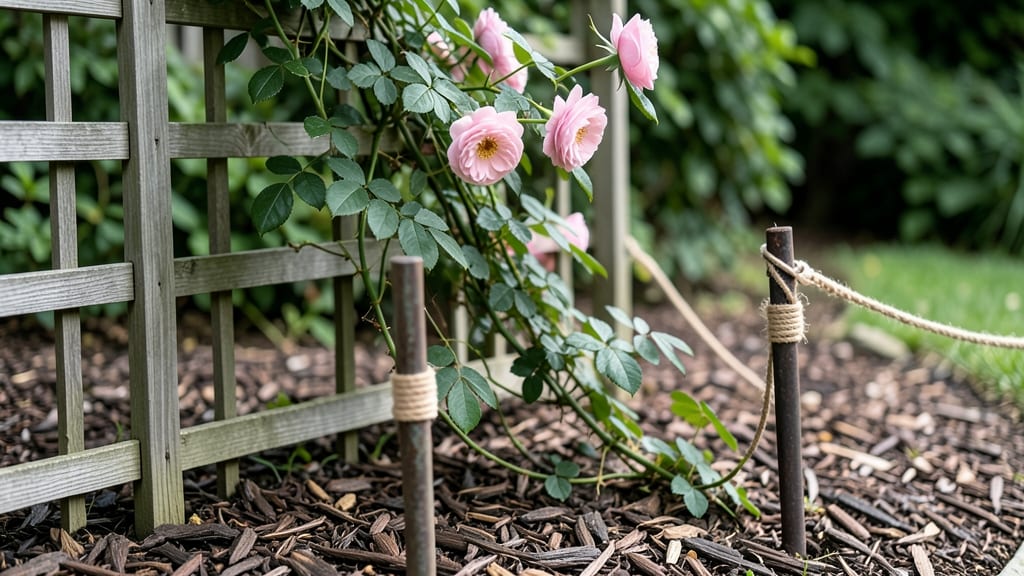
Growing a garden against an ascended fence transforms limited outdoor space into a lush vertical oasis by utilizing trellises, wall-mounted containers, or hanging baskets to cultivate climbing plants like ivy, pole beans, or grapevines while maintaining proper drainage and sunlight access.
An ascended fence creates the perfect vertical canvas for small-space gardening. 🌿 The key is selecting plants that naturally climb or trail—this saves ground space while adding visual interest. I've found that fast-growing edibles like cucumbers or peas work beautifully alongside decorative options such as jasmine or morning glories.
The right support system (like lattice panels or heavy-duty hooks) prevents fence damage while creating a thriving ecosystem.
Proper installation starts with assessing your fence's material and weight capacity. For wood or chain-link, use corrosion-resistant brackets, while metal fences may need specialized hooks. Lightweight potting mixes with added perlite improve drainage, which is critical when watering vertical plants.
Most importantly, position your garden where it gets at least 6 hours of sunlight daily—this makes all the difference for plant health and yield.
💡 In This Article
- Best Vertical Garden Plants for Fence Walls
- Step-by-Step Fence Garden Installation Guide
Best vertical garden plants for fence walls
Vertical gardening against a fence thrives with plants that naturally climb, trail, or have strong vining habits. These species maximize space while requiring minimal ground footprint.
The best candidates share three key traits: rapid growth (to quickly utilize vertical space), self-supporting structures (like tendrils or strong stems), and adaptability to containerized environments. 🌱 For instance, pole beans grow 6-8 feet in just 60 days and fix nitrogen in the soil, while cucumbers produce abundant fruit in hanging baskets with proper support.
Edible vines top the list for functional gardens. Indeterminate tomato varieties like 'Cherokee Purple' can climb 8-12 feet and produce fruit all season long, while cucumbers like 'Straight Eight' thrive in vertical planters with 12-18 inches of soil depth.
Ornamental climbers add beauty without sacrificing productivity—clematis varieties bloom prolifically on trellises, while roses like 'Knock Out' roses create fragrant living walls. Even herbs benefit from vertical growth: trailing thyme spreads beautifully in hanging pots, while basil varieties like 'Genovese' grow vigorously when staked against fences.
The science behind vertical plant success lies in their growth habits. Vining plants use specialized structures called tendrils (like in peas) or modified stems (like in grapes) to attach to supports.
This natural climbing mechanism eliminates the need for artificial structures while distributing weight evenly along the fence. 💫 For example, grapevines develop tendrils at each leaf node that curl around any available surface, creating a self-supporting system.
The key is selecting varieties with strong attachment mechanisms that won't damage your fence—avoid aggressive climbers like ivy that can crack paint or warp wood over time.
Light requirements vary by plant but generally follow this pattern: most edible vines need 6-8 hours of direct sunlight daily, while ornamental climbers often tolerate 4-6 hours.
The fence's orientation matters—south-facing walls get intense afternoon sun (ideal for tomatoes), while east-facing walls provide gentler morning light (better for herbs).
I've found that planting in staggered heights—tall plants at the back, medium in the middle, and trailing varieties at the front—creates visual depth while maximizing sunlight penetration to all levels.
Consider these plant categories when planning your vertical garden:
- Fast-Growing Edibles: Pole beans (60 days to harvest), cucumbers (50-60 days), and indeterminate tomatoes (70-85 days)
- Ornamental Climbers: Clematis (blooms 2-3 times per season), roses (continuous blooms with proper pruning), and morning glories (fast-growing annuals)
- Trailing Herbs: Thyme (drought-tolerant), basil (needs 6+ hours sun), and nasturtiums (edible flowers that deter pests)
What most people don't realize is how plant spacing affects vertical growth. When using lattice panels, maintain 12-18 inches between plants to allow airflow and prevent fungal diseases.
The right spacing also ensures each plant gets adequate sunlight at its specific height level—something that's easily overlooked in tight vertical configurations. 🌿