
Tools
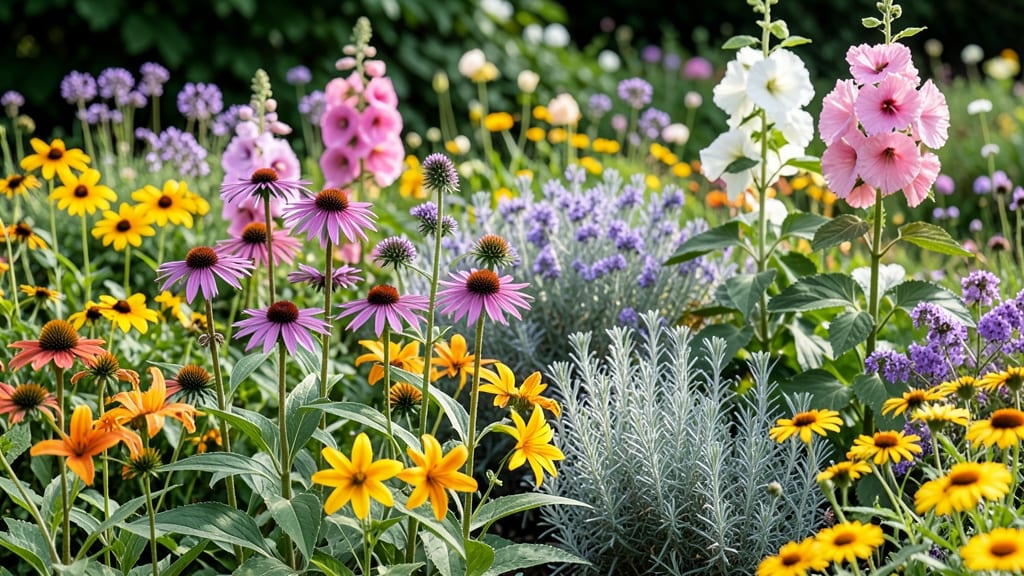
Gardening zones 3 to 8 cover cold-hardy regions from subarctic winters to mild temperate climates, where winter lows range from -40°F in zone 3 to just 10°F in zone 8. Choosing plants suited to your specific zone ensures they'll survive winters and grow optimally.
Understanding these zones helps you avoid costly mistakes like planting tropical plants in zone 3 or struggling with frost-sensitive crops in zone 5. The USDA's zone map divides North America into 13 zones based on average annual minimum temperatures, with each zone shift representing roughly 10°F of difference.
For example, zone 3 plants like Russian sage or winter wheat can handle brutal winters, while zone 8 favorites like citrus trees or bougainvillea would freeze solid in zone 5.
Even within a single zone, microclimates—like south-facing slopes or urban heat islands—can create pockets where plants thrive 1-2 zones harder than the official map suggests.
Here's the key insight: zone boundaries shift over time due to climate change, so always check the most recent USDA map (updated every 10 years) before making long-term planting decisions.
I recommend using your zip code in the USDA Plant Hardiness Zone Map tool to get your precise zone designation, then cross-reference with local garden centers for microclimate adjustments. This small step can mean the difference between thriving gardens and constant replanting.
💡 In This Article
- How USDA Plant Hardiness Zones 3 to 8 Define Cold Tolerance
- Best Plants for Zones 3 to 8: Cold-Resistant Annuals, Perennials, and Trees
How USDA plant hardiness zones 3 to 8 define cold tolerance
The USDA Plant Hardiness Zone Map divides North America into 13 zones based on the average annual minimum temperature—the coldest temperature expected to occur in any given winter.
Zone 3, with its -40°F threshold, represents the most extreme cold, while zone 8's 10°F minimum marks the upper limit for cold-hardy plants. These temperatures are calculated using 30-year climate data from weather stations, ensuring accuracy for long-term gardening decisions.
Frost dates play a critical role in determining planting windows. In zone 3, the last spring frost often occurs around May 15, while zone 8 may see its final frost as late as March 15.
This 6-week difference affects when you can safely plant frost-sensitive crops like tomatoes or peppers. Conversely, fall planting must account for earlier frost dates in colder zones—zone 3 gardens typically have only 60-75 days of growing season after the last frost, compared to zone 8's 240+ days.
Microclimates create local variations that can shift your effective zone by 1-2 levels. A south-facing wall or urban heat island might make your garden 1 zone warmer, while a low-lying area or north exposure could push it 1 zone colder.
For example, a zone 5 garden near a brick building might safely grow zone 6 plants like hydrangeas, while a frost pocket in the same area could struggle with zone 4 winter wheat.
Climate change is rapidly altering these boundaries. Since the 1990 USDA map, many areas have shifted 1-2 zones warmer due to rising temperatures. The 2023 update reflects these changes, showing zone 4 areas expanding northward in places like Minnesota and Canada.
Always verify your zone using the interactive USDA map before making planting decisions, as outdated information can lead to failed crops.
Here's what this means for your garden: if you're on the border between zones, err on the side of cold-hardiness. A zone 7 plant might survive in zone 6, but a zone 6 plant rarely thrives in zone 5.
The 10°F difference between zones is significant—it's the gap between a plant's survival and its optimal growth conditions.
For precise planning, combine the zone map with local frost records and observe your microclimate's behavior over 3-5 years. This hands-on approach helps you fine-tune your garden's potential beyond the official zone boundaries.