
How To
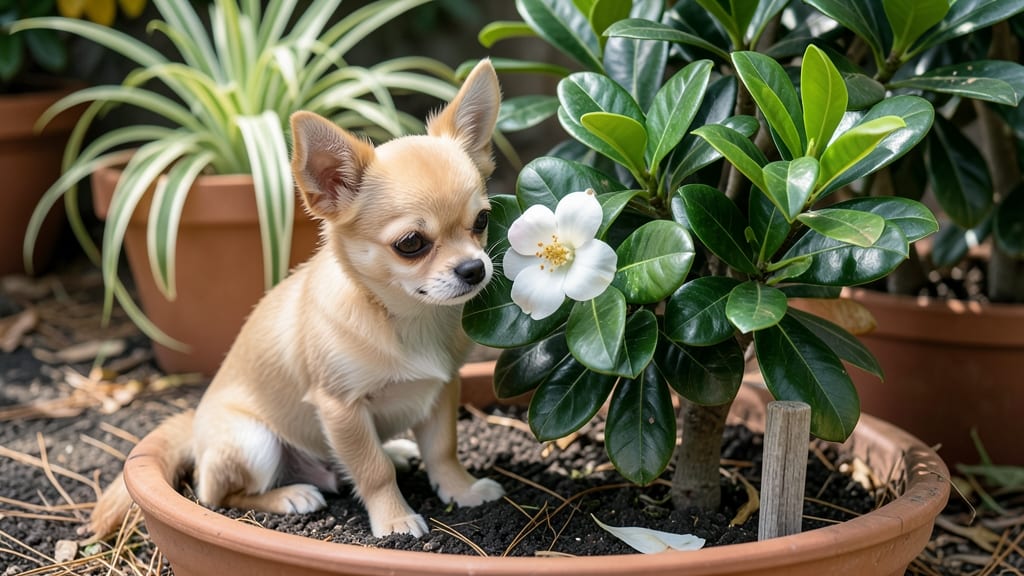
Gardenias are toxic to dogs because their leaves, flowers, and stems contain harmful compounds like saponins and glycosides, which can trigger vomiting, excessive drooling, and lethargy if your dog ingests them. If you suspect poisoning, contact your vet immediately.
Gardenias contain toxic chemicals that can disrupt your dog's digestive and nervous systems. 🐾 The severity depends on how much they eat—small nibbles might cause mild symptoms like stomach upset, while larger amounts could lead to more serious issues like weakness or even seizures.
Dogs are particularly vulnerable because their smaller size means even small plant parts can deliver a dangerous dose.
If you're worried about your garden's safety, consider swapping gardenias for dog-friendly plants like sunflowers, marigolds, or snapdragons. These alternatives add color to your yard without the risk. Always supervise your pup during outdoor time, especially if you're introducing new plants to their environment.
💡 In This Article
- Toxic Compounds in Gardenias and Their Effects on Dogs
- Safe Garden Alternatives for Dog-Friendly Landscaping
Toxic compounds in gardenias and their effects on dogs
Gardenias contain two primary toxic compounds that pose risks to dogs: saponins and glycosides. Saponins act as natural detergents, creating soapy bubbles when mixed with fluids—this disrupts your dog's digestive lining, leading to irritation and inflammation.
The glycosides, specifically amygdalin, break down into cyanide when metabolized, though gardenias contain lower levels compared to stones from fruits like cherries. Together, these compounds trigger a cascade of symptoms starting within 6-12 hours of ingestion.
The severity depends on how much your dog consumes. A small nibble of leaves might cause mild vomiting or diarrhea, while eating an entire flower or stem could lead to more dangerous symptoms like excessive drooling, weakness, or even seizures in extreme cases.
Dogs under 20 pounds are at higher risk because their smaller size means even small amounts can deliver a toxic dose. The plant's bitter taste often deters dogs, but curious pups or those with access to garden beds may still ingest parts accidentally.
Physiologically, these toxins target two systems: your dog's digestive tract and nervous system. The saponins cause immediate stomach upset by breaking down cell membranes, while glycosides affect cellular respiration.
This dual attack explains why symptoms progress from vomiting to lethargy and potential tremors. 🐕 Unlike some plants that cause single-system reactions, gardenias create a compounded effect that requires veterinary attention for severe cases.
Identifying symptoms early is crucial. Watch for these red flags: repeated vomiting, bloody diarrhea, excessive thirst, or unusual lethargy. If your dog shows these signs after being near gardenias, contact your vet immediately—even if symptoms seem mild.
The ASPCA recommends keeping a sample of the plant (if possible) to help with diagnosis, as some symptoms mimic less serious conditions like stomach upset from spoiled food.
Interestingly, gardenias' toxicity isn't uniform across all parts. The leaves contain the highest concentration of saponins, making them particularly dangerous, while the flowers have lower toxicity but can still cause reactions. The stems fall somewhere in between.
This variation explains why some dogs show symptoms after eating flowers but not others—it's not just about quantity but which parts they consume. Always assume all parts are toxic unless confirmed otherwise by a veterinarian.
What makes this particularly concerning is how quickly symptoms can escalate. While some plants cause delayed reactions over 24-48 hours, gardenia toxicity often manifests within 6-12 hours, giving pet owners less time to respond.
This rapid onset is why immediate action is critical—even if your dog seems fine initially, monitor them closely for the first 12 hours after potential exposure. 🚨