
Advice
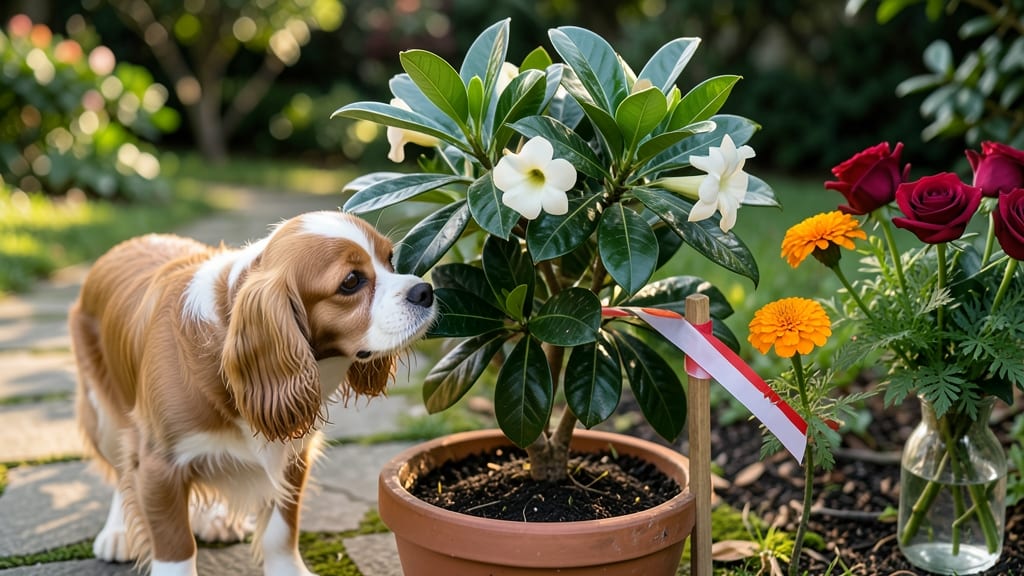
Gardenias are poisonous to dogs because their leaves, flowers, and stems contain saponins and glycosides, which trigger vomiting, diarrhea, and excessive drooling if chewed or swallowed. Seek emergency vet care if you suspect your dog has ingested any part of the plant.
Gardenias contain natural toxins that can disrupt a dog's digestive and nervous systems, often within minutes of ingestion. 🌸 The severity depends on how much your pup consumes—small nibbles might cause mild drooling, while larger amounts can lead to weakness or even seizures.
Since dogs explore with their mouths, even a single leaf left lying around can pose a risk. Always monitor your furry friend when they're near these fragrant but dangerous plants.
If you love gardenias but worry about your pet's safety, consider swapping them for non-toxic alternatives like roses (most varieties) or marigolds. These offer similar beauty without the health hazards. 🌼 Certified pet-safe nurseries can help you design a garden that's both stunning and secure for your four-legged family members.
💡 In This Article
- Toxic Compounds in Gardenias and Their Effects on Dogs
- Safe Garden Alternatives for Dog-Friendly Landscaping
Toxic compounds in gardenias and their effects on dogs
Gardenias contain two primary toxic compounds that pose risks to dogs: saponins and glycosides. Saponins create a soapy foam when mixed with water, which irritates the gastrointestinal tract and triggers immediate vomiting within 15-60 minutes of ingestion.
These compounds disrupt cell membranes, causing inflammation in the mouth, throat, and stomach lining. 🔥 The glycosides, specifically cyanogenic glycosides, release cyanide when metabolized, which affects the nervous system and can lead to respiratory distress in severe cases.
The severity of symptoms depends on the amount ingested—even a single leaf (1-2 inches) can cause mild drooling, while consuming an entire flower or stem may result in more dangerous reactions like weakness, tremors, or collapse.
Dogs are especially vulnerable because their natural curiosity and smaller body size mean even small amounts can have outsized effects. A 10-pound dog might experience toxicity from just 0.5 grams of gardenia tissue, while a 50-pound dog could tolerate slightly more—but the risk remains high.
What makes gardenias particularly dangerous is their appealing fragrance and texture. The waxy, slightly sweet-smelling leaves and creamy white flowers often attract dogs who might mistake them for treats.
Unlike some toxic plants that have bitter tastes, gardenias lack strong deterrents, making accidental ingestion more likely. 🌸 The compounds also affect the nervous system, which can lead to disorientation or seizures in extreme cases—especially if the dog has pre-existing health conditions like liver or kidney disease.
If your dog ingests gardenia, watch for these stages of poisoning: first, acute vomiting and diarrhea (within 30-90 minutesexcessive drooling and lethargy (1-4 hours later); and finally, neurological symptoms like tremors or difficulty breathing (if cyanogenic glycosides are involved).
The key is acting fast—induced vomiting (only under vet guidance) can help remove the toxins before they’re absorbed.
Dogs with dark-colored fur may also show signs of toxicity more quickly because melanin can increase the absorption rate of certain plant toxins. Breeds with sensitive stomachs, like Pugs or Bulldogs, are at higher risk for severe reactions.
Always keep gardenias—and any toxic plants—out of reach, as even small exposures can lead to dehydration or organ strain over time.
For pet owners, the best defense is prevention. Remove gardenias from your home or yard entirely, or create physical barriers like raised beds or fences to keep dogs away.
If you suspect poisoning, call your vet or the ASPCA Animal Poison Control Center (888-426-4435) immediately—time is critical in these situations. 💛