
Vegetables
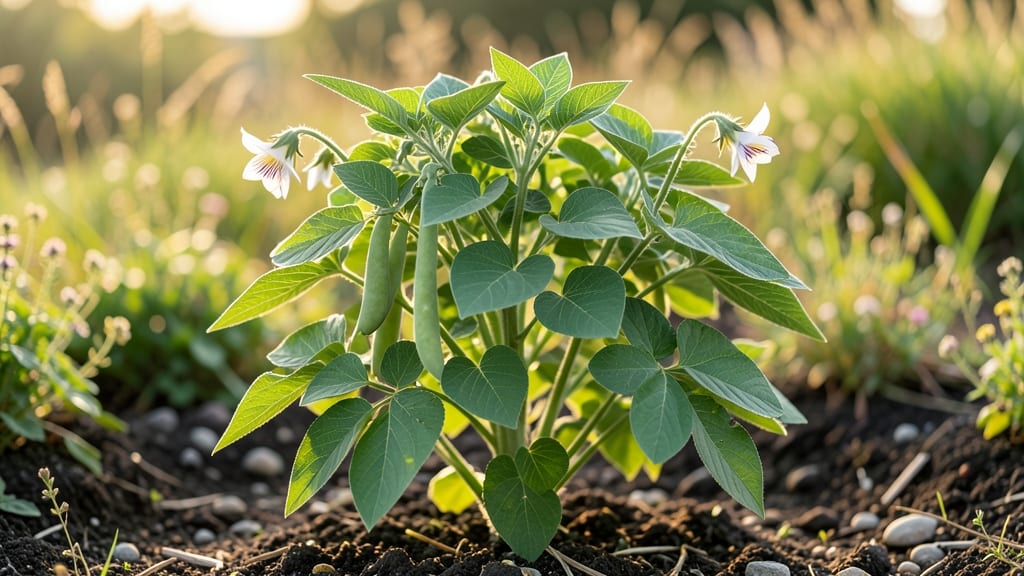
Garden beans and green beans are the same plant at different stages—green beans are immature pods harvested young, while garden beans are mature, dried seeds. The terms often describe the same species (Phaseolus vulgaris) but refer to distinct harvest points.
When you're standing in the produce aisle, you might wonder why these two terms exist for the same plant. 🌱 The key difference lies in their harvest timing: green beans are picked when the pods are tender and crisp, while garden beans are allowed to fully mature and dry on the vine.
This maturity change transforms the plant's edible parts from fresh pods to dried seeds—think of it like comparing a ripe tomato to a sun-dried one. The botanical name Phaseolus vulgaris covers both varieties, but their culinary uses and storage methods differ completely.
For cooking, this distinction matters greatly.
Green beans shine in quick dishes like stir-fries or steamed sides, while garden beans (often called dried beans) need soaking and slow cooking to soften. 💫 Many gardeners grow both types in the same season by harvesting some pods early for green beans and leaving others to mature for dried beans.
This dual-purpose approach maximizes your garden's productivity while giving you versatility in the kitchen.
💡 In This Article
- Botanical and Harvest Differences Between Green and Garden Beans
- Culinary Uses and Growing Tips for Green vs. Garden Beans
Botanical and harvest differences between green and garden beans
The confusion between green beans and garden beans stems from their shared botanical family—both are varieties of Phaseolus vulgaris, the common bean plant. 🌱 What changes is the harvest timing: green beans are picked when the pods are tender and still developing seeds, typically 6-8 weeks after planting.
At this stage, the pods measure about 2-4 inches long, with a bright green color and crisp, slightly waxy texture. The seeds inside are tiny and undeveloped, resembling tiny peas.
When left to mature, the same plant produces garden beans—now called dried beans—where the pods turn brown, dry, and papery, splitting open to reveal fully developed seeds. These seeds are what we commonly know as dried beans like navy, pinto, or kidney beans.
The transformation happens because as the plant matures, the pods stop producing chlorophyll (giving them their green color) and instead focus energy on seed development.
This process takes 3-4 additional weeks after the green bean stage, during which the seeds harden and lose moisture, becoming the dense, nutrient-rich dried beans we store for months.
The texture difference is dramatic: green beans have a firm yet tender bite with a snap, while dried garden beans are tough and starchy when raw. 💫 This is because green beans contain 80-90% water by weight, while dried beans are only 10-15% water, with the rest being complex carbohydrates and proteins.
The flavor also shifts—green beans offer a mild, grassy sweetness, while dried beans develop deeper, earthier notes as they mature, thanks to the breakdown of starches during drying.
Visually, you can spot the difference easily: green beans hang in clusters on the vine with smooth, glossy pods, while garden beans develop leathery, dried pods that eventually shatter open.
The seeds inside green beans are barely visible through the translucent skin, whereas dried beans have large, prominent seeds that fill the pod completely. This visual cue is your best friend when identifying which stage your plants have reached.
What most gardeners don't realize is that the same plant can produce both types if you time your harvests correctly. By picking some pods early for green beans and leaving others to mature, you can get a dual harvest from a single planting.
This two-stage approach maximizes your garden's productivity while giving you both fresh and dried beans throughout the season.
Scientifically, this dual-purpose growing strategy works because the plant's flowering stage triggers both pod and seed development simultaneously. The key is monitoring the pods' color and firmness—green beans should be harvested when they're uniformly green and snap easily when bent.
For garden beans, wait until the pods turn brown and papery before harvesting the seeds.