
Size
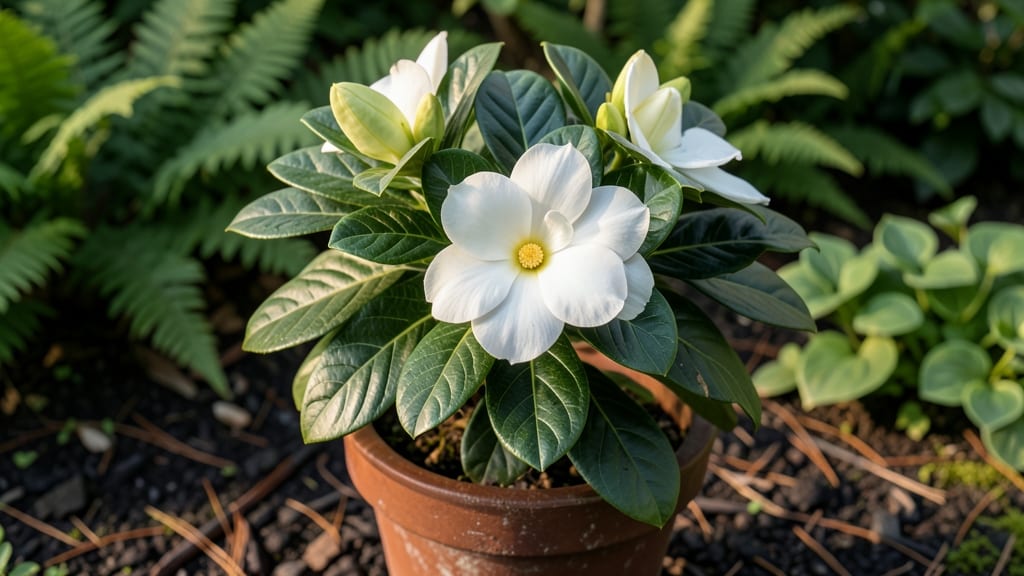
The gardenia growth rate is slow, with plants typically gaining 2–6 inches per year under perfect conditions, reaching 3–6 feet tall and wide after 3–5 years. Seedlings often need 6–12 months just to develop roots before showing noticeable growth.
If you've ever wondered why your gardenia seems to take forever to grow, it's all about patience and the right conditions. 🌱 These tropical beauties prioritize root development and flower production over rapid height increases, which is why early growth can feel painfully slow.
The key to accelerating their timeline lies in mimicking their natural habitat—think warm temperatures, high humidity, and slightly acidic soil. Once established, proper pruning after blooming and regular feeding with balanced fertilizer can push those yearly growth increments toward the higher end of the spectrum.
What's interesting is how seasonal changes affect their growth rhythm. During winter months, many gardenias enter a natural dormancy, slowing down completely until spring. This isn't a sign of poor health—it's just their way of conserving energy.
I've found that gardeners in cooler climates often see the most dramatic growth spurts during late spring and summer when days grow longer and temperatures rise consistently above 60°F.
💡 In This Article
- Factors Influencing Gardenia Growth Speed
- Pruning and Care Tips to Boost Gardenia Growth
Factors influencing gardenia growth speed
Gardenia plants thrive in conditions that closely mimic their native tropical environments, where warm temperatures and high humidity create perfect growing conditions. The most critical factor is temperature—gardenia growth slows significantly when nighttime temperatures drop below 55°F, and can nearly halt below 45°F.
In their natural habitat, gardenias experience consistent warmth year-round, which explains why indoor plants often grow slower than outdoor specimens in warm climates like Florida or Hawaii.
Light exposure plays a dual role: while gardenias need bright, indirect light to fuel photosynthesis, too much direct sun can scorch their delicate leaves. The ideal spot receives 4-6 hours of filtered sunlight daily, which maximizes growth without causing stress.
I've noticed that plants placed near east-facing windows often show faster growth than those in dimmer north-facing locations, as they get morning light without the harsh afternoon rays. 🌿 Poor light conditions trigger a survival response, redirecting energy to leaf production rather than stem elongation, which is why leggy, sparse gardenias often result from insufficient light.
Soil pH is another game-changer—gardenia roots thrive in acidic soil with a pH range of 5.0-6.5. When soil becomes too alkaline (above 7.0), essential nutrients like iron and manganese become locked away, stunting growth.
I recommend testing your soil annually and amending it with sulfur or peat moss if needed. The roots also need excellent drainage; waterlogged conditions lead to root rot, which can kill a plant within weeks. This is why raised beds or containers with drainage holes work so well for gardenias.
Humidity levels above 50% are essential for optimal growth, as gardenias are native to tropical regions where air moisture is consistently high. In dry climates, growth slows dramatically unless you use a humidifier, mist the foliage daily, or place the plant on a pebble tray filled with water.
The leaves themselves are covered in tiny stomata that regulate moisture, but when humidity drops below 40%, these stomata close, reducing photosynthesis efficiency and slowing growth. 💧 This is why gardeners in arid regions often see better results with indoor cultivation where humidity can be controlled.
Watering frequency depends on several factors, but the key is consistency. Gardenias prefer their soil to remain evenly moist but never soggy—think of it like a well-wrung sponge. Overwatering is the most common mistake, as it leads to root suffocation and fungal diseases.
A good rule of thumb is to water when the top 1-2 inches of soil feel dry to the touch. During active growth periods (spring and summer), you might water every 2-3 days, while winter slowdowns may require watering only once a week.
The roots' ability to absorb water decreases in cooler temperatures, which is why many gardenias develop waterlogged roots in winter if overwatered.
Finally, seasonal changes create natural growth rhythms. Gardenias experience a semi-dormant period in winter, when growth slows to conserve energy. This isn't a sign of poor health—it's a survival mechanism.
In their native tropical climates, gardenias don't experience true winters, so the growth slowdown we see in temperate zones is an adaptation. The most dramatic growth spurts occur in late spring and early summer when days lengthen and temperatures remain consistently above 65°F.
This is when you'll see the most noticeable stem elongation and leaf production if all other conditions are optimal.