
Fertilization
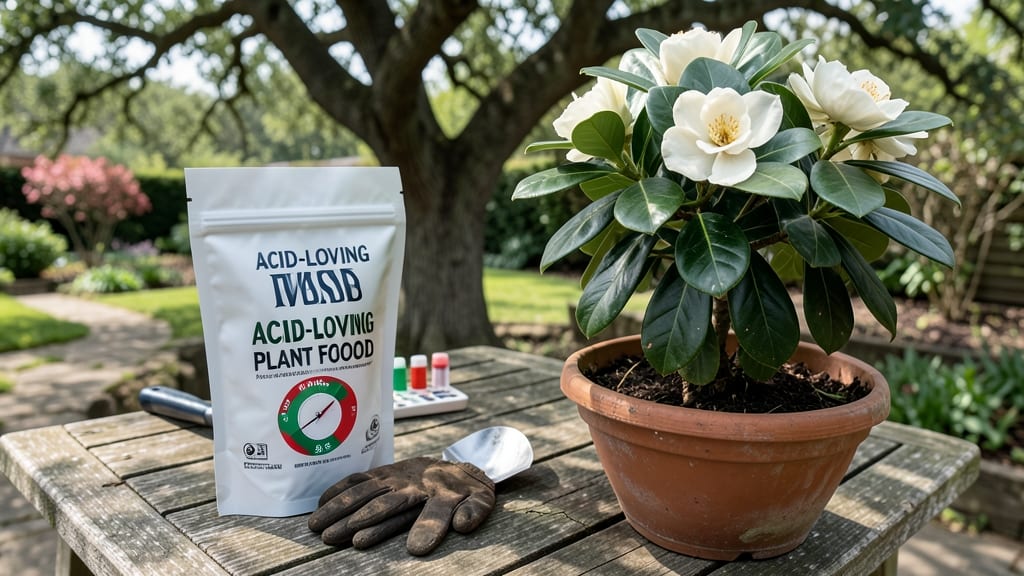
Using an acid-based fertilizer for gardenias 🌸 is the key to unlocking those fragrant blooms you’ve been dreaming of.
Picture this: your gardenias are stubbornly refusing to flower, their leaves yellowing despite your best care. The problem? They’re craving acidity, and without it, they’re practically starving. That’s where the right fertilizer makes all the difference.
Gardenias thrive in USDA zones 9-11, where the soil naturally leans acidic—but even there, a boost can mean the difference between sparse buds and a lush, fragrant display. The secret lies in balancing pH levels between 5.0 and 6.5, and the right acid-based fertilizer does just that.
In this guide, I’ll walk you through how to pick the best fertilizer, apply it safely, and spot the signs your gardenias are finally getting the nutrients they need—so you can enjoy those iconic white blooms all season long.
Why acid-based fertilizer is essential for gardenia growth
If your gardenias are struggling to bloom or their leaves are turning yellow, the issue might be hiding in your soil. Gardenias are acid-loving plants that thrive in a pH range of 5.0–6.0.
When soil becomes too alkaline, these plants can't absorb essential nutrients like iron and manganese, leading to poor health and fewer flowers. That’s where acid-based fertilizers come into play—they restore the ideal soil chemistry your gardenias crave.
Without the right acidity, gardenias suffer from chlorosis (yellowing leaves) and stunted growth. The problem often starts when gardeners use regular fertilizers that raise soil pH over time.
Acid-based fertilizers contain ingredients like sulfur, iron sulfate, or organic acids to lower pH gradually, ensuring your gardenias stay healthy and productive.
Here’s the science: Gardenias need acidic soil to unlock nutrients like iron, which is crucial for chlorophyll production. When soil pH rises above 6.0, iron becomes unavailable, causing yellowing between leaf veins—a classic sign of deficiency. Acid-based fertilizers correct this imbalance, helping your gardenias absorb nutrients efficiently.
Another key benefit is enhanced flowering. Acidic conditions trigger the production of floral hormones in gardenias, leading to more abundant and fragrant blooms.
Without proper acidity, your plant may produce fewer flowers or none at all, leaving you with a shrub that looks more like a bush than a showstopper.
Let’s break down why acid-based fertilizers are a game-changer for gardenias in the table below:
| Soil Condition | Effect on Gardenias | Solution |
|---|---|---|
| pH 5.0–6.0 | Optimal growth, vibrant blooms, healthy foliage | Maintain with acid-based fertilizer |
| pH 6.1–7.0 | Yellowing leaves (chlorosis), poor blooms | Apply sulfur or iron sulfate |
| pH < 5.0 | Root damage, nutrient toxicity | Add lime to neutralize excess acidity |
| Nutrient Deficiency | Weak stems, small leaves, few flowers | Use acid-loving plant fertilizer |
The best acid-based fertilizers for gardenias contain a mix of sulfur, iron, and organic acids. Sulfur slowly lowers pH over time, while iron sulfate provides an immediate boost to correct deficiencies.
Organic options like pine bark fines or peat moss also work well, especially for gardeners who prefer natural amendments.
One common mistake is assuming that any fertilizer will work. Regular NPK fertilizers (like 10-10-10) can actually raise soil pH, making nutrient deficiencies worse. Always choose a product labeled for acid-loving plants, such as those with sulfur-coated urea or iron chelates.
These formulations are designed to maintain the perfect pH range for gardenias.
Signs your gardenias need acid-based fertilizer include yellowing leaves, poor flowering, and stunted growth. If you notice these symptoms, it’s time to test your soil pH and adjust accordingly.
A simple soil test kit (available at garden centers) can confirm whether your gardenias need more acidity or if another issue is at play.
For best results, apply acid-based fertilizer in early spring and mid-summer, when gardenias are actively growing. Avoid overdoing it—too much sulfur can make the soil too acidic, harming root health. Always follow the product’s instructions for application rates to keep your gardenias thriving without risking damage.
Incorporating acid-based fertilizer into your gardenia care routine can make all the difference between a lackluster shrub and a blooming beauty. With the right pH balance, your gardenias will reward you with glossy leaves and fragrant flowers all season long.
Top 5 acid-based fertilizers for gardenias (ranked by effectiveness)
Gardenias demand acidic soil (pH 5.0–6.0) to thrive, and choosing the right acid-based fertilizer makes all the difference. Organic options like peat moss and pine bark slowly lower pH, while synthetic choices like sulfur-coated urea deliver faster results.
Each has unique benefits—some improve soil structure, others provide quick nutrient boosts—but over-acidifying can harm roots. Let’s break down the top 5 based on effectiveness, ease of use, and cost.
For long-term soil health, organic fertilizers win, but synthetic options offer precise control. My top pick? Iron sulfate—it’s affordable, fast-acting, and perfect for correcting yellowing leaves caused by iron deficiency.
But if you prefer slow-release acidity, pine bark fines are a game-changer. Let’s dive into the rankings, so you can pick what’s best for your gardenias.
Iron sulfate tops the list because it’s fast-acting and targets common gardenia deficiencies like chlorosis (yellowing leaves). A 1 tablespoon per gallon of water applied every 4–6 weeks keeps pH in check without over-acidifying. It’s also affordable ($10–$15 for 5 lbs), making it ideal for large gardenia beds. For container gardenias, halve the dose to avoid root burn.
Next, sulfur-coated urea combines nitrogen for growth with gradual acidification. Unlike quick-release fertilizers, it feeds your gardenias over 2–3 months, reducing the risk of nutrient spikes. Use ½ cup per plant every 3 months in spring.
The downside? It’s pricier ($20–$30 for 10 lbs) but pays off with healthier foliage and blooms.
Pine bark fines are my go-to for organic gardeners—they mimic natural forest floors where gardenias thrive. Work 2–3 inches into soil annually to maintain acidity and improve drainage. While slower to act, they boost soil microbes and prevent compaction. Pair it with compost for a $15–$25 per bag powerhouse combo.
If you’re on a tight budget, peat moss is a classic choice. Spread 1–2 inches around gardenias and mix into the top 6 inches of soil every 1–2 years.
It’s cheap ($8–$12 per bag) but loses effectiveness over time. To extend its life, replenish annually and pair with sulfur for a pH boost.
Lastly, citric acid granules are a last-resort fix for sudden pH spikes. Sprinkle 1 teaspoon per gallon of water monthly if your soil tests above pH 6.5. It’s fast ($5–$10 for 1 lb) but doesn’t improve soil structure—use it sparingly to avoid over-acidification, which causes root damage.
Pro tip: Always test soil pH before applying acid-based fertilizers. Aim for 5.0–6.0, and adjust gradually. Over-acidifying can lock out nutrients like phosphorus, leading to fewer blooms. Happy gardening! 🌸