
Planting
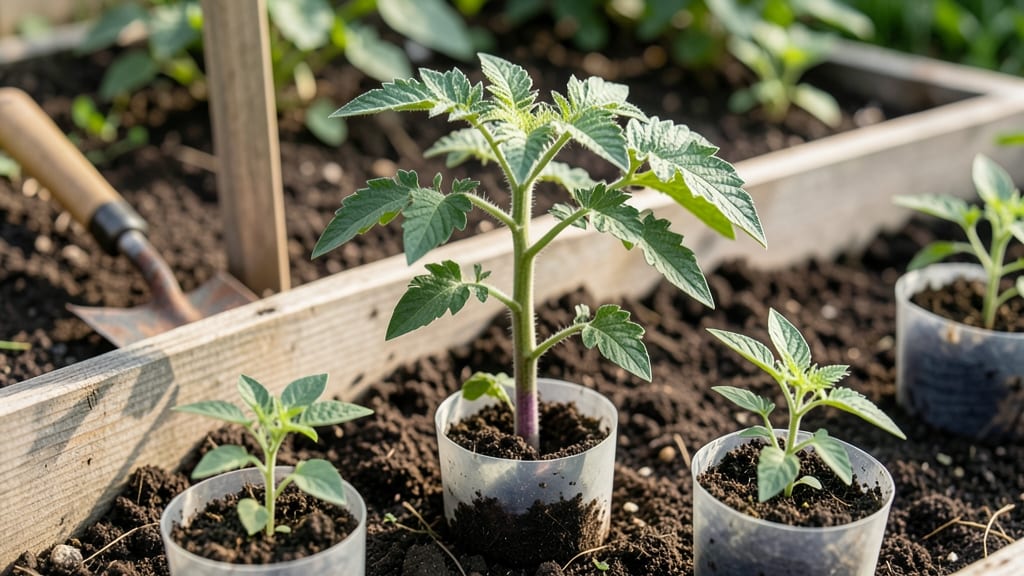
When to plant tomato seedlings in the garden ensures strong roots and a bountiful harvest 🍅 — and skipping the soil temperature check is how you end up with leggy, struggling plants.
Timing your tomato seedlings perfectly can mean the difference between a thriving harvest and stunted plants—soil temperature is the secret weapon most gardeners overlook.
In USDA Zone 6a, where last frost typically hits around April 15, waiting until the soil warms to at least 60°F (about late April to early May) gives your seedlings the best start.
Below, I’ll walk you through how to test your soil, adjust for your climate, and even speed up warming with simple tricks for faster growth—no guesswork required.
Ideal soil temperature ranges for planting tomato seedlings
Getting your tomato seedlings in the ground at the right time isn't just about frost dates—it's all about soil temperature. Cold soil can stall root growth, leaving your plants weak and vulnerable.
The magic number? 50°F-60°F minimum, with 65°F+ optimal for rapid establishment. Most gardeners miss this critical detail, leading to leggy, underperforming plants.
Why does soil temperature matter so much? Tomato roots struggle to absorb nutrients below 55°F, and enzyme activity slows dramatically. Even if air temps feel warm, cool underground conditions can create a false sense of security.
I've seen seedlings planted in 50°F soil take twice as long to recover compared to those in 65°F+ beds.
Here's how to test your soil temperature accurately: Use a soil thermometer (not a regular thermometer) and check 2-4 inches deep—where the roots will grow. Morning readings between 10 AM and noon give the most reliable data.
If your soil consistently reads below 55°F, your seedlings aren't ready yet, no matter how eager you are to plant.
| Soil Temp Range (°F) | Root Activity | Planting Readiness | Recommended Action |
|---|---|---|---|
| Below 50°F | Very Slow | Not Ready | Delay planting; use row covers |
| 50°F-55°F | Slow | Marginal | Plant with black plastic mulch |
| 55°F-60°F | Moderate | Ready | Proceed with caution; monitor closely |
| 60°F-65°F | Good | Optimal | Best time to plant; strong growth |
| Above 65°F | Excellent | Ideal | Perfect conditions; rapid establishment |
If your soil is running 10°F below the ideal range, don't panic—there are proven ways to warm it up. My go-to method is black plastic mulch, which can raise soil temps by 5-10°F within days.
Lay it down 1-2 weeks before planting to give your beds a head start. For even faster results, combine it with clear plastic row covers during the day to trap heat.
Another trick I swear by is composted manure or well-rotted leaves mixed into the top 6 inches of soil. Organic matter breaks down quickly, generating heat as a natural byproduct.
This works especially well for early spring plantings when days are still chilly. Just be sure to mix it in 2-3 weeks before transplanting to avoid burning roots.
For gardeners in northern climates with short seasons, consider using heat mats or even electric soil warmers (like those used for seed starting). These can give you a 2-4 week head start on the season.
I've used them successfully in USDA Zone 4 to plant tomatoes 3 weeks earlier than traditional timelines allow.
One common mistake I see is relying on air temperature instead of soil temperature. Just because the thermometer outside reads 70°F doesn't mean your soil is ready. The ground stays cooler longer, especially in shady spots or areas with high clay content.
Always double-check with your soil thermometer—it's the only way to get an accurate reading.
Pro tip: If you're planting in containers or raised beds, they warm up 2-3°F faster than in-ground soil. This gives you a slight edge if you're pushing your planting window.
Just be prepared to move containers to warmer microclimates (like near a south-facing wall) if nighttime temps dip below 50°F.
Remember, tomato seedlings planted in ideal soil temps will show you their gratitude with
How to adjust planting time based on your climate Zone
Your USDA hardiness zone determines when to plant tomato seedlings, but even within zones, local microclimates create variations. For example, gardeners in Zone 3 with urban heat islands may plant a week earlier than rural areas. Always use your last frost date as a baseline—tomatoes can't tolerate even light frosts.
In warmer zones (8-11), heat becomes the limiting factor. Planting too early means seedlings struggle with blossom drop from daytime temps above 90°F. My solution? Start seeds indoors 6-8 weeks before your first safe planting window and use shade cloth to protect young plants.
- 1 Zone 3-5: Wait until 2 weeks after last frost (typically mid-May). Use row covers if night temps dip below 50°F.
- 2 Zone 6-7: Plant after May 15th when soil hits 60°F. Early varieties like 'Stupice' tolerate cooler soils better than beefsteaks.
- 3 Zone 8-9: Start in early March for spring harvests. For fall, plant August-September using drip irrigation to prevent heat stress.
- 4 Zone 10-11: Plant year-round with shade cloth during summer. Succession plant every 2-3 weeks for continuous harvests.
For extended growing seasons, I recommend calculating your frost-free period. Subtract 90 days from your first frost date to find your last planting window. In Zone 5, this often means a late-July planting for fall tomatoes—just cover seedlings with lightweight row fabric at night.
Heatwaves? Prep by hardening off seedlings for 10-14 days before transplanting. Water deeply 2-3 days before planting to reduce transplant shock. In Zone 10, I've had success with black plastic mulch to raise soil temps 5-10°F faster than bare ground.
Pro tip: Check your local Cooperative Extension Service for hyper-local advice. Their frost date calculators account for elevation changes that USDA zones don't capture. For example, mountain gardeners in Zone 6 may need to wait until June 1st while valley neighbors plant in May.