
Planting
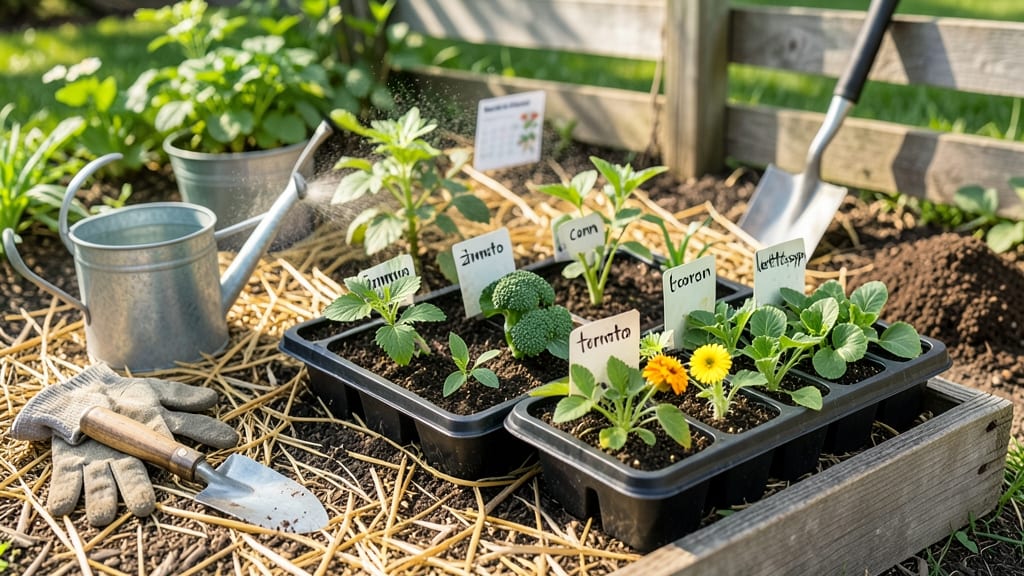
To plant a garden in West Virginia, time your crops 4-6 weeks before the last frost—typically by early April for most zones, but check your specific microclimate.
West Virginia’s unpredictable frost dates can turn a gardener’s excitement into frustration—plant too early, and your seedlings become frost casualties; too late, and you miss peak harvests.
Whether you’re growing leafy greens in the Appalachian highlands or tomatoes in the river valleys, the key is knowing your zone’s average frost dates and adjusting for local weather quirks.
Below, I’ll break down the best planting windows for vegetables, flowers, and herbs, plus how to extend your growing season with row covers and cold frames.
West Virginia planting zones & average last frost dates by month
West Virginia spans USDA Hardiness Zones 5b through 7a, meaning gardeners must account for 150-200 frost-free days depending on elevation. The Appalachian Mountains create microclimates where high-altitude areas (like Pocahontas County) may experience 2-3 weeks later last frosts than river valleys (Charleston or Huntington).
Understanding these variations is key to avoiding frost damage to tender seedlings.
Historical data shows average last frost dates range from mid-April in lower elevations to early May in mountainous regions. Meanwhile, first fall frosts typically arrive between mid-October and early November, with high-altitude areas freezing 2-4 weeks earlier.
These dates shift yearly, so always monitor local forecasts and use frost-sensitive plants like basil or tomatoes as natural indicators.
For cool-season crops like broccoli, spinach, and peas—your best planting window opens 4-6 weeks before your last frost date. In Zone 5b (northern WV), this means early March starts under row covers or in a cold frame.
In Zone 7a (southern WV), you can begin as early as late February, but always be ready to protect young plants if temperatures dip below 32°F.
Warm-season crops (tomatoes, peppers, cucumbers) should wait until 2-3 weeks after your last frost date. In most of WV, this translates to late April to early May, but high-altitude gardeners may need to wait until mid-May.
Hardening off seedlings for 7-10 days before transplanting helps them withstand WV’s chilly nights even after the last frost.
🌱Pro Tip: Use marigolds or nasturtiums as early spring markers—they tolerate cooler temps and bloom reliably, signaling safe planting for heat-loving crops.
Late-season planting is another WV gardener’s secret weapon. Fall crops like kale, carrots, and radishes thrive when sown 8-10 weeks before your first frost.
In Zone 5b, this means early August starts, while Zone 7a gardeners can extend harvests until mid-October. Spinach and peas are particularly resilient and can often survive light frosts, making them ideal for late-summer sowings.
🌿Warning: Don’t rely solely on calendar dates—WV’s Appalachian fog and valley inversions can create unpredictable cold snaps even after official frost dates. Keep frost cloth or row covers handy for late-May or early September surprises, especially in higher elevations.
For perennials and trees, timing matters too.
Plant bare-root trees in late fall or early spring (before buds swell) to give roots time to establish before summer heat. Herbaceous perennials like lavender or Russian sage should go into the ground 4-6 weeks before your last frost—just like cool-season veggies—to avoid winter stress.
🪴Local Tip: Check
Best planting calendar for West Virginia vegetables, flowers & herbs
Timing is everything in West Virginia’s garden—where last frost can swing from mid-April in river valleys to late May in the Appalachian highlands. Cool-season crops like kale and carrots thrive when planted 4-6 weeks before your local last frost, while warm-season favorites (tomatoes, peppers) need soil temps above 60°F to germinate.
Use this month-by-month guide to align your planting with WV’s climate quirks.
I’ve organized crops by seasonal needs and included row cover tricks to extend your growing window. For example, spinach can handle light frosts, but eggplants need all summer’s heat.
Below, you’ll find the optimal planting windows for WV’s most popular edibles, flowers, and herbs—plus when to start seeds indoors for a head start.
For warm-season crops, I recommend starting tomato and pepper seeds indoors in late March to transplant after the last frost. Basil, a heat lover, won’t tolerate chilly soils—wait until May 15 or later in cooler mountain regions. Row covers (lightweight fabric) can push spring planting 3-4 weeks earlier for lettuce and radishes, while cold frames let you harvest kale and carrots into November.
Don’t overlook late-summer planting! Spinach and turnips sown in August will mature before frost, and marigolds planted now will bloom until first snow. My trick? Mark your calendar for Labor Day weekend—it’s the perfect time to direct-sow cool-season crops for a fall bounty.
Just cover them with row fabric if a light frost sneaks in.
Pro tip: High-altitude areas (like Lewisburg or Beckley) have later frost dates—wait until May 10 for tomatoes, while river valleys (like Charleston) can plant 2 weeks earlier.
Check your local Cooperative Extension for microclimate adjustments. With this schedule, you’ll avoid the common WV gardening mistakes of planting too soon or missing harvest windows.
Remember, soil prep matters just as much as timing. Amend your beds with compost in early spring and mulch heavily to retain moisture during WV’s unpredictable summer rains. Happy planting—your future harvests will thank you! 🌱🌿