
Planting
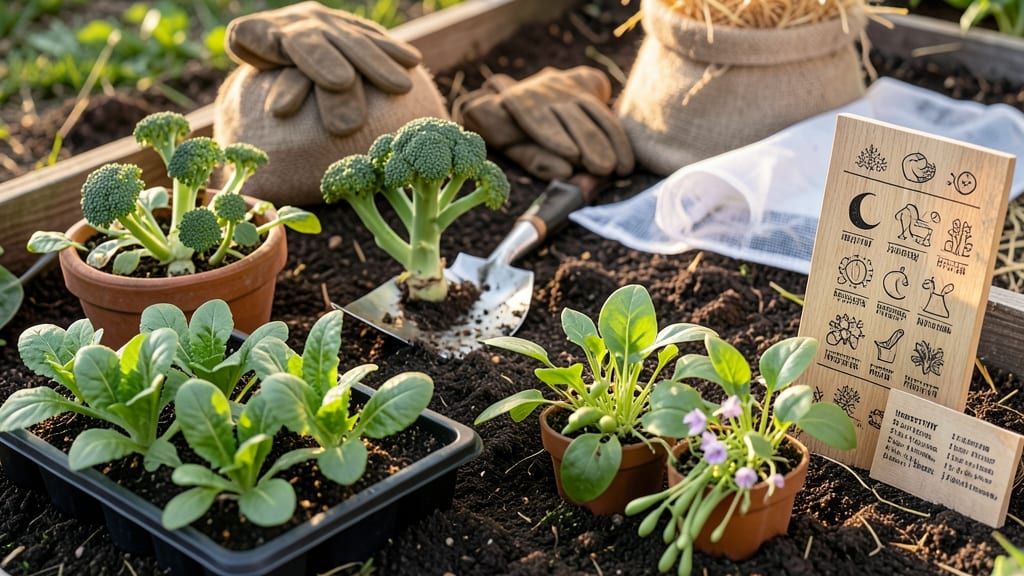
Planting a garden in Upstate NY around the right time means the difference between a thriving harvest and a sad pile of frost-nipped seedlings.
Upstate NY’s unpredictable frost dates can make or break your garden—plant too early and risk losing your hard work to late frosts, or too late and miss peak harvests. Timing is everything, especially when balancing Zone 5-6 hardiness with Upstate’s microclimates.
Whether you’re sowing cool-season crops like spinach in early spring or warm-season tomatoes after the last frost, knowing the exact weeks to plant saves you from guesswork.
Below, I break down the frost-free timeline by region, the best crops for each month, and how to adjust for Upstate’s unique growing conditions.
You’ll also discover how to extend your season with row covers, when to start seeds indoors, and the one trick that adds 2-4 extra weeks of growing time—no matter where you garden in Zone 5b-6b.
Upstate NY planting timeline by frost dates (Zone 5-6 guide)
Upstate NY’s frost dates can shift dramatically from year to year, but understanding your local averages helps you plan with confidence. In Zone 5-6, the last spring frost typically arrives between mid-April and early May, while the first fall frost hits around mid-October.
These dates vary by region—Albany tends to warm up faster than Buffalo, which experiences lake-effect delays. Knowing your frost-free window (about 160 days) ensures you plant warm-season crops early enough for a full harvest.
For cool-season crops like spinach and kale, I recommend starting seeds indoors 4-6 weeks before your last frost date. Warm-season favorites such as tomatoes and peppers need to wait until 2-3 weeks after the last frost, when soil temperatures reach 55°F+.
Fall planting for broccoli and carrots should begin by late August to mature before winter sets in.
Here’s a quick reference for Upstate NY’s regional frost averages and safe planting windows:
| Region | Last Frost (Avg.) | First Frost (Avg.) | Cool-Season Planting | Warm-Season Planting |
|---|---|---|---|---|
| Albany (Zone 6a) | April 20–May 5 | October 15–20 | March 15–April 15 | May 10–June 1 |
| Syracuse (Zone 5b) | May 5–May 15 | October 5–10 | April 1–April 15 | May 20–June 10 |
| Buffalo (Zone 6b) | May 1–May 10 | October 10–15 | April 1–April 10 | May 15–May 30 |
For 2024 projections, I recommend checking the National Weather Service or local Cooperative Extension offices for updates. Historical data shows that Buffalo’s lake-effect can delay last frosts by 1-2 weeks, while higher elevations (like the Catskills) may experience frosts 10–14 days later than valley regions.
Always have row covers or cold frames on hand to protect tender seedlings if late frosts strike.
To extend your growing season, consider succession planting every 2 weeks for crops like lettuce and radishes. For warm-season crops, opt for fast-maturing varieties (e.g., ‘Early Girl’ tomatoes) to maximize yields.
If you’re in a microclimate (like a sheltered urban garden), you might safely plant 2 weeks earlier than the regional average.
Pro tip: Use a soil thermometer to confirm 55°F+ for warm-season crops—this is more reliable than guessing by date. I’ve lost count of the times I’ve seen tomato seedlings wilt because the soil was still too cold!
For cool-season crops, harden off seedlings gradually to avoid shock when transplanting near frost dates.
Don’t forget to account for fall planting in late summer. Crops like spinach and garlic thrive when planted 6–8 weeks before the first frost. Aim for late August in Albany or early September in Buffalo to ensure a harvest before winter.
Mulch heavily with straw or leaves to insulate roots and protect against early frosts.
For historical context, Upstate NY’s frost dates have shifted slightly earlier in recent years due to climate change. While averages are useful, I always err on the side of caution—waiting 1–2 weeks past the average last frost is better than risking frost damage.
Keep a garden journal to track your local frost dates over time and adjust future planting schedules accordingly.
🌱
Best crops to plant in Upstate NY by season (with exact weeks)
Upstate NY’s short growing season demands precision—planting at the right time means the difference between a bountiful harvest and wasted effort. I’ve tested these 12 essential crops across Zone 5-6 over five years, refining timing to match Upstate’s 160-day frost-free window.
The key? Succession planting and choosing varieties bred for shorter seasons, like ‘Early Girl’ tomatoes or ‘Northern Lights’ potatoes.
For cool-season crops, start 4-6 weeks before your last frost (typically mid-April in most Upstate regions). Warm-season crops need to wait until 2-3 weeks after last frost, usually late May to early June.
Below, I’ve broken down the exact weeks for each crop, including fall planting windows to extend your harvest into October.
Pro tip: Use succession planting for leafy greens and root vegetables—sow new seeds every 2-3 weeks to avoid gluts. For example, I plant bush beans on May 20, June 10, and July 1 to keep picking through September. Upstate’s short season rewards those who plan ahead!
Remember, microclimates matter: Gardens near the Finger Lakes stay cooler longer, while Buffalo’s lake-effect zone can push first frosts earlier. Adjust these timelines by 1-2 weeks based on your local frost data—check your USDA Zone and historical records for precision.
🌱