
Planting
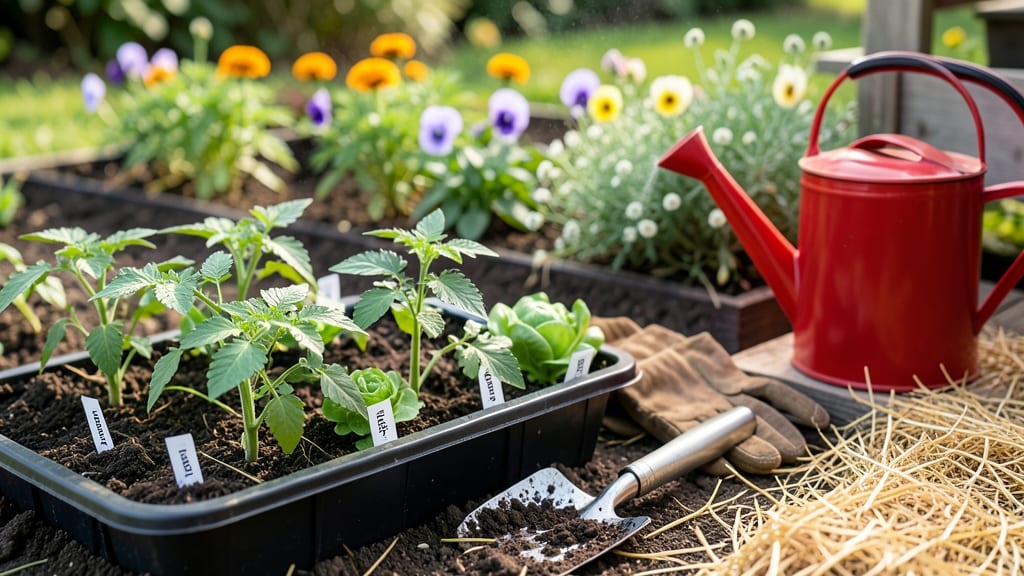
Planting a garden in Indiana at the right time means the difference between a lush harvest and a sad, wilted disappointment—but getting the timing right isn’t as simple as following a calendar.
Indiana’s unpredictable spring weather can turn a gardener’s dream into a guessing game—but timing your plantings right ensures a bountiful harvest instead of wilted disappointment. One week of frost can set back your 🌱 General Garden Plants by months, while rushing too early risks stunted growth or disease.
With USDA zones 5b-6b and frost dates that shift yearly, knowing when to start seeds indoors, transplant outdoors, and even when to plant fall crops is the key to success. Whether you’re growing tomatoes, herbs, or perennials, the right window makes all the difference.
Below, I’ll break down the exact dates for Indiana’s planting zones, how to adjust for late frosts, and the fastest-growing crops to maximize your short season. No more guesswork—just a plan that works.
Indiana planting calendar by USDA Zone 5-6: exact dates for vegetables, flowers, and herbs
Indiana’s USDA Zones 5b-6b offer a 165-day growing season, but timing is everything. The average last frost date is April 15, while the first frost typically arrives October 15.
Cool-season crops thrive in spring and fall, while warm-season plants need summer’s heat. I’ve broken down the best planting windows to maximize your harvest, accounting for Indiana’s unpredictable weather swings.
For cool-season crops like lettuce and peas, start seeds 4-6 weeks before the last frost (early March) or transplant seedlings in late March to early April. Warm-season favorites such as tomatoes and peppers should wait until after May 10, when soil temperatures consistently reach 60°F.
Perennials like lavender and coneflowers can be planted in early spring or fall for best establishment.
Here’s your month-by-month planting guide, including frost-sensitive varieties and hardy options for Indiana’s variable climate:
| Month | Cool-Season Crops (Direct Sow) | Warm-Season Crops (Transplant) | Perennials & Flowers | Herbs |
|---|---|---|---|---|
| March | Peas, spinach, lettuce, kale | Start tomato and pepper seeds indoors | Bulbs (tulips, daffodils) | Parsley, chives (hardy) |
| April | Carrots, radishes, broccoli, cabbage | Transplant tomatoes, peppers, eggplants (after May 10) | Pansies, violas, snapdragons | Cilantro, dill, mint |
| May | Beets, Swiss chard, turnips | Direct sow beans, corn, squash | Marigolds, zinnias, sunflowers | Basil, oregano, thyme |
| June | Late spinach for fall harvest | Succession plant beans, cucumbers | Petunias, geraniums, cosmos | Rosemary, sage (transplant) |
| August | Kale, Brussels sprouts, radishes | None (too late for warm-season crops) | Asters, chrysanthemums | Cilantro (fall variety) |
| September | Lettuce, peas, garlic (for spring harvest) | None | Pansies, sweet alyssum | Parsley, chives |
How to adjust planting times for Indiana’s microclimates and unpredictable weather
Indiana’s USDA Zones 5b-6b bring unique challenges like late spring frosts and sudden summer heatwaves. These fluctuations can derail even the most careful planting plans, but with the right adjustments, you can extend your growing season and protect delicate seedlings.
The key lies in understanding your local microclimates—whether you're in cooler northern Indiana or warmer southern regions—and preparing your garden to handle unpredictable weather patterns.
One of my biggest lessons came after planting tomato seedlings too early in Zone 6a—a late frost wiped out my entire crop. Since then, I’ve learned to use frost-free date averages as guidelines, not rules, and to have backup strategies like row covers and cold-hardy varieties ready.
These tools can shift your planting window by 2-4 weeks, giving you more flexibility when Mother Nature throws curveballs.
⚠️ WARNING: Indiana’s Microclimates Can Trick You!
Don’t rely solely on last-frost dates (average April 15)—soil temperature and local topography matter more. For example:
- Northern Indiana (Zone 5b) may see frosts until May 10
- Southern Indiana (Zone 6b) could be frost-free by April 1
- Low-lying areas stay colder longer than south-facing slopes
Use a soil thermometer (50°F minimum for most veggies) and monitor local weather forecasts for 5-day outlooks before planting warm-season crops like peppers or cucumbers.
To combat late frosts, I start cool-season crops like lettuce and peas 4-6 weeks before the average last frost date. For warm-season plants, I use black plastic mulch to warm soil 5-10°F faster than bare ground.
This simple trick lets me plant tomatoes and peppers 2 weeks earlier in spring and 1 week later in fall. Pair this with floating row covers for an extra 4-8°F of protection when needed.
For heatwaves, shade cloth (30-50%) becomes my best friend. I drape it over leafy greens and herbs during 90°F+ days to prevent bolting. Another trick? Plant heat-tolerant varieties like Malabar spinach or Swiss chard, which thrive when other crops wilt.
In my Zone 6a garden, these swaps have kept me harvesting through July instead of June.
Before planting, I always run through this 3-step soil prep checklist to ensure my seedbeds are ready for whatever weather comes:
- ✅ Test soil pH (aim for 6.0-7.0 for most veggies)
- ✅ Add compost (2-3 inches mixed into top 6 inches of soil)
- ✅ Water deeply (1-2 inches 3 days before planting)
Remember, Indiana’s growing season averages just 165 frost-free days, so every extra day counts. By combining microclimate awareness, protective tools, and adaptive planting, you can turn Indiana’s unpredictable weather into an advantage.
Start small with 1-2 test beds, track what works, and adjust next year—your future harvests will thank you! 🌱