
Planting
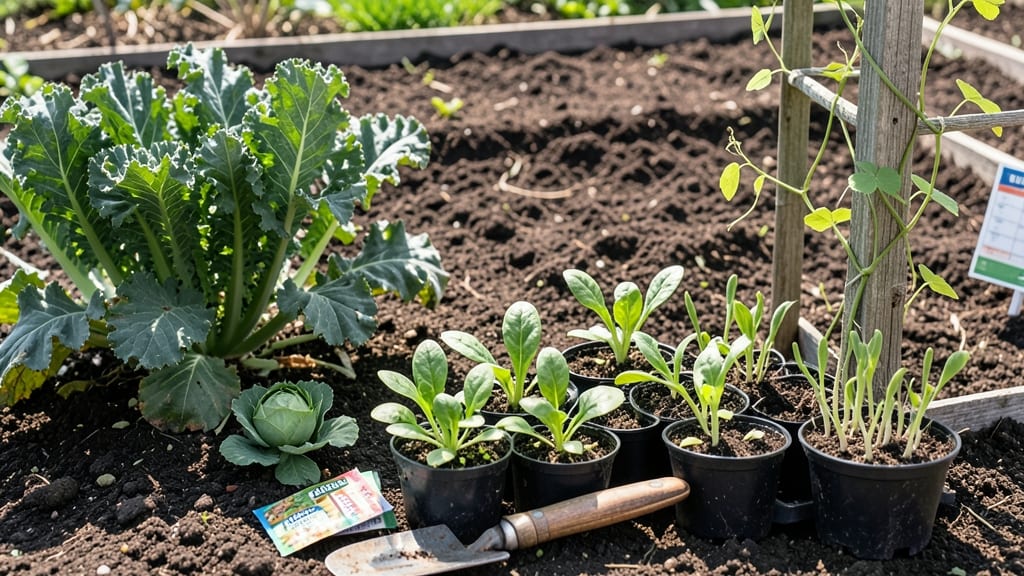
Planting a garden in North Dakota means timing your General Garden Plants 🌱 perfectly to beat the 3b-4b zone’s short growing season.
One late frost can wipe out seedlings, and a missed window means fewer harvests by September. But with the right schedule, you can grow fast-maturing crops like radishes and peas—and even extend the season with row covers.
This guide breaks down the best planting windows for cool-season and warm-season General Garden Plants, from late April’s first frost-free days to summer’s peak growing months.
You’ll learn how to avoid common mistakes, choose the right varieties, and maximize your yield before the first frost hits in mid-September.
North Dakota frost dates by hardiness zones: when to plant cool-season vs warm-season crops
North Dakota’s USDA Hardiness Zones 3-5 create a unique gardening challenge with short frost-free windows and unpredictable weather swings. Understanding your last average frost date (typically May 15-20) and first frost date (around September 15) is critical for timing plantings correctly.
In Zone 3 (northern ND), your window shrinks to just 90-110 frost-free days, while Zone 5 (southern ND) enjoys 120-140 days—a difference that changes your entire planting strategy.
Cool-season crops like spinach, peas, and kale thrive when planted 4-6 weeks before your last frost, often as early as late April in southern ND or early May in the north.
Warm-season vegetables such as tomatoes, peppers, and cucumbers need to wait until after May 20 when soil temperatures consistently reach 50°F+. This timing ensures your plants establish roots before summer heat arrives.
Here’s how to use these frost dates for your garden planning:
🌱 Zone 3 (Northern ND): Your last frost typically arrives May 20-25, leaving only 90-110 frost-free days. Focus on fast-maturing varieties and cool-season crops that tolerate light frosts. Warm-season plants like tomatoes may need row covers or cold frames to extend their season.
🌿 Zone 4 (Central ND): With a last frost around May 15, you gain 110-130 frost-free days. This zone supports a wider range of warm-season crops like beans, squash, and corn, but still requires careful timing to avoid late spring frosts.
Start seeds indoors in March for early transplants.
☀️ Zone 5 (Southern ND): The most favorable for gardeners, with last frosts around May 10 and 140+ frost-free days. Here, you can attempt longer-season crops like peppers and melons, but always monitor weather forecasts for unexpected late frosts. Consider succession planting to maximize your harvest.
🌱 North Dakota Planting Timeline by Hardiness Zone
| Zone & Frost Dates | Cool-Season Crops (Plant) | Warm-Season Crops (Plant) | Fall Planting Window |
|---|---|---|---|
| Zone 3 Last Frost: May 20-25 First Frost: Sep 15 |
Late April Peas, spinach, kale Early May Lettuce, radishes |
After May 25 Bush beans, zucchini Use row covers for tomatoes, peppers |
Late July Broccoli, cabbage Early Aug Spinach, peas |
| Zone 4 Last Frost: May 15 First Frost: Sep 10 |
Mid-April Peas, spinach Late April Lettuce, radishes |
After May 15 Tomatoes, cucumbers Early June Peppers, eggplant |
Late July Kale, carrots Early Aug Beets, turnips |
| Zone 5 Last Frost: May 10 First Frost: Sep 20 |
Early April Spinach, peas Late April Lettuce, radishes |
After May 10 Tomatoes, peppers Late May Corn, squash |
Mid-July Broccoli, cabbage Late July Kale, Brussels sprouts |
💡 Pro Tip: Use row covers to extend warm-season planting by 2-3 weeks in all zones.
For cool-season crops, start seeds indoors 4-6 weeks before your last frost or direct-sow outdoors 2-3 weeks before. In Zone 3, this means late April for hardy greens like kale or Swiss chard, which can tolerate light frosts.
In Zone 5, you can push the envelope with early peas or spinach in March under protective covers. Always monitor soil temperatures—cool-season crops prefer 40-70°F soil.
Warm-season crops demand warmer soil and air temperatures. Wait until after May 15 in Zone 5 or after May 25 in Zone 3 to plant tomatoes, peppers, and cucumbers. Soil thermometers are your best friend here—
Top 5 fast-growing vegetables for North Dakota’s short season (and how to extend it)
North Dakota’s 120-day growing season means choosing the right fast-maturing vegetables can mean the difference between a bountiful harvest and disappointment. I’ve grown these same cold-hardy varieties for years in my Zone 4b garden, and they consistently deliver—even with late frosts.
The secret? Succession planting and protective covers to stretch your season.
When selecting crops, prioritize those that mature in 45-60 days or less. These quick harvesters give you time to replant after early crops bolt or get nipped by frost.
My top picks balance speed, resilience, and flavor—perfect for ND’s unpredictable climate. Let’s dive into the specifics of each, plus my proven tricks for extending your harvest window.
- 1 Radishes (25-30 days): Plant every 2 weeks from mid-April to early July for continuous harvests. Use row covers to protect from flea beetles and extend fall planting to mid-August.
- 2 Lettuce (30-45 days): Choose cold-hardy varieties like 'Winter Density' or 'Black Seeded Simpson'. Start seeds indoors in March for early transplants, then succession plant every 3 weeks until mid-July.
- 3 Peas (55-65 days): Sow sugar snap or snow peas as soon as soil is workable (late April). Use cold frames to start earlier or extend into early June for a second crop. Peas thrive in cool temperatures and tolerate light frosts.
- 4 Bush Beans (50-55 days): Wait until after last frost (mid-May) to plant. Choose short-season varieties like 'Blue Lake Bush' and use black plastic mulch to warm soil faster. Plant every 2 weeks until early July for staggered harvests.
- 5 Kale (45-60 days): This cold-hardy superstar can be planted 3 times: early spring (March-April), late spring (May), and early fall (July-August). Use row covers to protect from cabbage worms and extend harvests through first frost.
For all these crops, succession planting is your best friend. Instead of planting everything at once, stagger your sowings every 2-3 weeks to ensure a steady supply.
I’ve had radishes ready to harvest by June 1st when planted in late April, followed by lettuce in mid-June, then bush beans by July 4th. This rotating schedule keeps my garden productive and my kitchen stocked.
Protective row covers and cold frames can add 2-4 weeks to your season. I use floating row covers (like Reemay) to shield lettuce and kale from late spring frosts and early fall chills.
For peas and radishes, a simple hoop house made from PVC pipes and plastic sheeting extends harvests into October. Even a $20 mini greenhouse can make a difference in ND’s climate.
Don’t overlook soil temperature—it’s just as critical as air temperature. Use a soil thermometer to confirm when to plant. Most cool-season crops need soil at 40-50°F, while warm-season crops like beans require 60°F+.
In my garden, late May is often the sweet spot for warm-season starters, but I’ve had success with cold frames pushing that window back by 10 days.
With these fast-growing vegetables and a few smart extensions, you can turn North Dakota’s short season into a year-round harvest. Start with radishes and peas for quick wins, then build to kale and lettuce for long-term success.
The key is planning ahead—mark your calendar now for March seed orders and late April planting! 🌱