
Planting
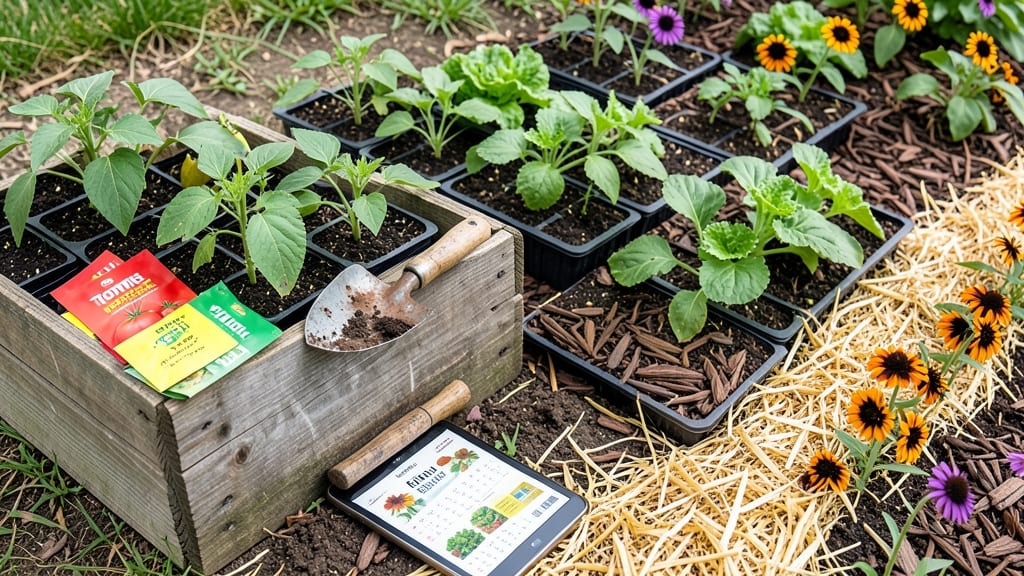
Planting a garden in Kentucky at the right time means the difference between a bountiful harvest and a wasted season.
Kentucky’s unique climate—where warm summers clash with unpredictable springs—can make planting your garden a high-stakes guessing game. Get the timing wrong, and your tomatoes might bolt before fruiting, or your cool-season crops could wilt in early heat.
With Hardiness Zones 6B/7A, the key is knowing when to start seeds indoors, when to transplant tender seedlings, and how to adjust for regional microclimates like Louisville’s urban heat or Lexington’s slightly cooler nights.
Below, I break down the exact planting windows for Kentucky’s most popular crops, so you can avoid common pitfalls and maximize your yield from spring to fall.
Kentucky planting calendar: exact dates for cool vs warm-season vegetables by zone 6B/7A
Kentucky gardeners face a tricky balance—cool-season crops like lettuce and peas need early starts, while tomatoes and peppers demand warm soil to thrive. The average last frost date in Zone 6B (e.g., Lexington) is around April 15, while Zone 7A (e.g., Louisville) sees it 2-3 weeks earlier.
But don’t rely on averages: microclimates in urban areas can delay frost by a week or more.
For cool-season vegetables, start seeds indoors 6-8 weeks before your last frost date. In Zone 6B, that means mid-February for hardy crops like kale and spinach.
In Zone 7A, you can push it to late February for faster growth. Direct-sow peas and radishes as soon as soil is workable (40°F+), typically early March in both zones.
| Month | Cool-Season Crops | Warm-Season Crops | Soil Temp (°F) | Notes |
|---|---|---|---|---|
| March | Peas, Lettuce, Spinach, Radishes | — | 40-50°F | Direct-sow after last frost risk |
| April | Broccoli, Cabbage, Carrots | Onions (sets) | 50-60°F | Zone 6B: Wait until April 15+ |
| May | — | Tomatoes, Peppers, Eggplant | 60-70°F | Wait until soil warms to 65°F+ |
| June | Successive Lettuce, Bush Beans | Cucumbers, Squash, Corn | 70°F+ | Zone 7A: Plant heat-tolerant varieties |
| July-Aug | — | Sweet Potatoes, Okra | 80°F+ | Use black plastic mulch for heat |
| September | Kale, Brussels Sprouts, Radishes | Green Onions, Turnips | 50-60°F | Zone 7A: Extend season with row covers |
Warm-season crops like tomatoes and peppers won’t tolerate cold soil, so wait until after May 15 in Zone 6B and May 1 in Zone 7A. Test soil temperature with a soil thermometer—it should read 65°F+ at least 1 inch deep.
For heat-loving varieties (e.g., okra, sweet potatoes), plant in late June to avoid bolting.
In Zone 7A, you can push the envelope with early plantings of cucumbers and squash by using black plastic mulch to warm soil faster. But beware: late spring frosts (even in Zone 7A) can still occur.
Use frost cloth for protection until mid-May. For cool-season crops in fall, start Brussels sprouts and kale by July 15 to harvest before first frost (October 30 in Zone 6B, November 15 in Zone 7A).
Adjust for microclimates: Urban Louisville (Zone 7A) often warms 1-2 weeks faster than rural areas. If you’re in a low-lying spot, plant warm-season crops 2 weeks later to avoid soil-borne diseases from excess moisture.
For container gardening, warm-season plants can go in 1 week earlier since containers heat up faster.
Don’t forget succession planting! After harvesting early peas or lettuce, replant with bush beans or radishes every 2-3 weeks through July. For tomatoes, stagger plantings every 10-14 days to extend harvests. In Zone 7A, you can even squeeze in a fall tomato crop by planting
5 Critical factors that shift Kentucky’s planting timeline (and how to adjust)
Kentucky’s planting calendar isn’t one-size-fits-all. While the average last frost date for Louisville is April 15, your elevation or urban heat island could shift that window by weeks.
For example, Lexington’s Zone 6B often sees frost linger until May 1, while Bowling Green’s Zone 7A can safely plant warm-season crops by April 1. Even your soil drainage matters—clay-heavy soils stay cold longer, delaying planting by 10-14 days.
This year’s unpredictable weather adds another layer. After a mild winter like 2023’s, soil warms faster, letting you plant cool-season crops like peas and spinach by February 15—two months early. But a late-spring freeze (like 2020’s April 12 drop to 28°F) can wipe out seedlings overnight.
Adjusting your timeline means watching soil temperature (aim for 60°F for tomatoes) and microclimates (south-facing slopes warm first).
Here’s how to fine-tune your schedule with Kentucky’s top 5 timeline-shifters:
- 📍 Elevation: Add 1 week per 500 ft to frost dates. Mountain counties (Zone 6B) plant cool crops 2 weeks later than Louisville.
- 🏙️ Urban Heat: Cities like Louisville (Zone 7A) can plant warm-season crops 2 weeks early due to pavement heat.
- 💧 Soil Drainage: Clay soils delay planting by 10–14 days—test drainage before sowing.
- ☀️ Microclimates: South-facing slopes warm 3–5 days faster than north-facing beds.
- 🌡️ Weather Whiplash: Use row covers to extend cool-season planting by 4–6 weeks if frost risks linger.
Let’s break down how to use these factors. Start by checking your local frost dates—the Kentucky Climate Center’s frost probability maps are gold. For instance, if you’re in Zone 7A but live near a pond or low-lying area, frost lingers longer.
Plant heat-loving crops like peppers and eggplants only after soil hits 70°F, not the average 60°F guideline. Use a soil thermometer ($15 at garden centers) to avoid guesswork.
For extended seasons, row covers or cold frames are game-changers. I’ve used floating row covers to plant spinach in late October—harvesting until December in Zone 6B. In Zone 7A, a mini cold frame lets me start tomato seedlings indoors in March, transplanting by April 15.
Just watch for humidity buildup under covers, which can trigger fungal diseases like early blight.
Pro tip: Keep a planting journal for 3 years to spot your local patterns. Note when volunteer plants (like dandelions) sprout—this signals soil warmth better than a calendar. For example, in Hopkinsville (Zone 7B), dandelions bloom by March 1, cueing me to plant radishes and lettuce by March 15.
Adjust your warm-season crops (like basil and cucumbers) to align with these natural clues.
When in doubt, stagger plantings. Sow 50% of seeds at the recommended date, then add another 25% every 10 days if weather cooperates. This insurance strategy protected my green bean harvest last summer when a sudden heatwave hit in late May—some plants thrived while others bolted.
By diversifying timing, you’ll always have fresh produce instead of feast-or-famine yields.