
Planting
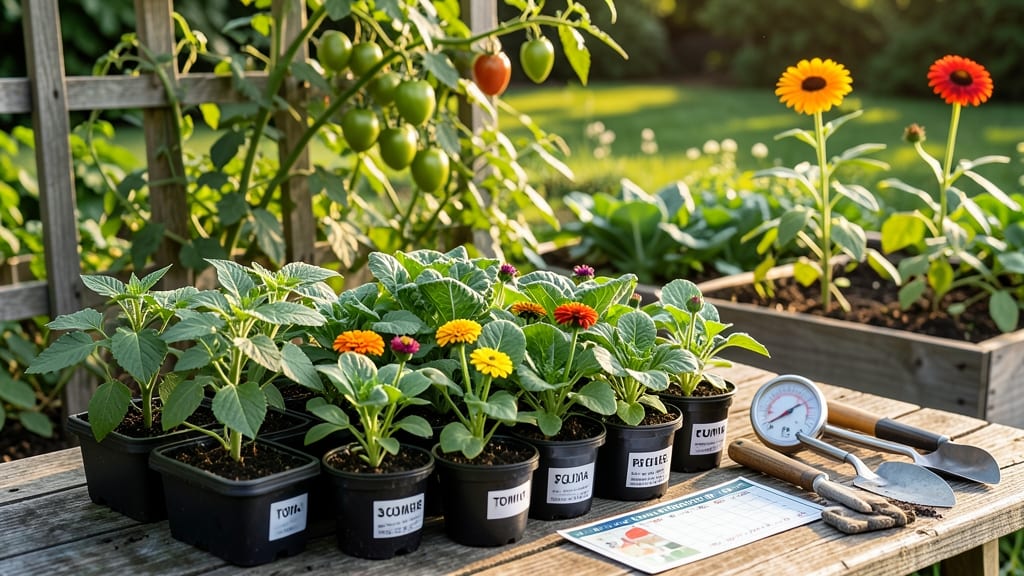
Planting a garden in Arkansas at the right time means the difference between a bountiful harvest and a sad pile of frost-nipped seedlings.
Arkansas gardeners know timing is everything—plant too early and risk frost damage, too late and miss peak harvests—but mastering the state’s unique growing zones can turn your garden into a year-round success story.
Whether you're in the cooler Ozarks or the warmer Delta, knowing when to start seeds indoors, set out transplants, and plan for succession crops is the key to a thriving General Arkansas Garden 🌱.
With USDA zones ranging from 6b to 8a, Arkansas offers a surprisingly diverse growing season. The last frost dates shift from mid-February in the south to mid-March in the north, meaning your planting schedule should adjust based on where you live.
But don’t worry—we’ll break down the exact windows so you can plant with confidence, whether you’re growing tomatoes, peppers, or perennials.
Ready to maximize your yield? You’ll learn how to time your plantings for optimal growth, adjust for Arkansas’ unpredictable weather, and even extend your harvests with smart succession planting. Let’s get started.
Arkansas planting zones: when to start seeds and transplants by region
Arkansas spans USDA hardiness zones 6b through 8a, creating distinct planting windows across the state. In the Ozark Mountains (zones 6b-7a), gardeners face earlier frosts and shorter growing seasons, while the Arkansas River Valley (zones 7b-8a) enjoys longer heat spells and extended harvests.
Understanding these zones helps you avoid frost damage while maximizing yield.
For most Arkansas gardeners, the last spring frost occurs between mid-February and mid-April, depending on elevation. The first fall frost typically arrives between mid-October and mid-November. These dates are critical for scheduling cool-season crops like lettuce and warm-season crops like tomatoes.
Microclimates—like urban heat islands or sheltered valleys—can shift these dates by 1-2 weeks.
Here’s how to align your planting with Arkansas’ zones and microclimates:
In zone 6b (northern Ozarks), start cool-season seeds indoors in January for transplants by late February. For zone 8a (southeast Arkansas), you can direct-sow warm-season crops like okra or sweet potatoes as early as February 15.
Always adjust for microclimates: urban areas may experience earlier last frosts due to heat retention.
For cool-season crops like broccoli or spinach, sow seeds 4-6 weeks before your last frost date. In the Ozarks, this means late February, while in the River Valley, you can start as early as January 15.
Use row covers to extend the season by 2-3 weeks in cooler zones.
Warm-season crops such as peppers and cucumbers thrive when soil reaches 60°F. In zone 7b-8a, plant after April 15; in zone 6b, wait until May 1. For a second harvest, sow succession crops like beans every 2 weeks through July.
Adjust for elevation changes: A garden at 2,000 feet in the Ozarks may have a 2-week later last frost than one at 300 feet in the Delta. Monitor local weather forecasts and use frost cloth to protect tender seedlings during unpredictable late springs.
Perennials like asparagus or rhubarb benefit from fall planting in zones 7b-8a. Plant crowns in October for root establishment before winter. In cooler zones, wait until April to avoid winter heaving.
Extend your season with seasonal adjustments: Use cold frames in spring for early lettuce or black plastic mulch in fall to warm soil for late tomatoes. In zone 6b, these tricks add 30-45 frost-free days to your growing season.
Track your garden’s success by noting actual frost dates each year—Arkansas’ climate shifts with La Niña/El
Best crops to plant in Arkansas by season: a month-by-month guide
Arkansas gardeners can enjoy year-round harvests by aligning planting schedules with the state’s six distinct microclimates. From the humid Delta to the cooler Ozark Mountains, each region offers unique growing windows.
The key? Succession planting and choosing crops that thrive in Arkansas’ hot summers (90°F+) and mild winters (rarely below 20°F).
For spring planting (February-April), focus on cool-season crops like lettuce, peas, and broccoli. These can handle Arkansas’ late frosts (until March 15 in the north).
Once temperatures rise above 75°F in May, shift to heat-loving crops like tomatoes, peppers, and okra. Fall planting (August-September) lets you squeeze in another round of greens, carrots, and radishes before first frost (October 15 in the south).
| Season | Best Crops | Planting Time | Succession Tip |
|---|---|---|---|
| Spring | Lettuce, Spinach, Peas, Broccoli, Onions | Feb-Mar (north), Jan-Feb (south) | Sow every 2 weeks until April 15 |
| Summer | Tomatoes, Peppers, Okra, Sweet Potatoes, Basil | Apr-May (after last frost) | Use shade cloth for seedlings; mulch heavily |
| Fall | Kale, Carrots, Radishes, Turnips, Green Beans | Aug-Sept (6-8 weeks before first frost) | Choose fast-maturing varieties for late harvests |
| Winter | Garlic, Onions, Cover Crops (Clover), Overwintering Herbs | Oct-Nov (garlic); Dec-Jan (cover crops) | Use row covers for tender greens in mild winters |
My top 3 Arkansas-friendly crops for beginners are tomatoes, green beans, and basil. Tomatoes thrive in Arkansas’ heat but need staking or cages to prevent disease. Plant bush beans in May-June for a 60-day harvest, and basil alongside tomatoes to repel pests naturally.
For herbs like cilantro, plant in fall or early spring—it bolts quickly in summer heat.
Don’t overlook perennial crops like asparagus and rhubarb, which establish well in Arkansas’ rich clay soils. Plant crowns in early spring and expect harvests for 10+ years. For flowers, marigolds and zinnia are heat-tolerant and attract pollinators. Deadhead spent blooms to encourage continuous flowering through October.
Pro tip: Use succession planting to maximize space. After harvesting early peas in April, replant with bush beans. In August, clear out wilted summer crops and sow radishes or lettuce for a fall harvest. This technique keeps your garden productive year-round without expanding space.
Remember, Arkansas’ humidity and heat demand consistent mulching and drip irrigation to prevent fungal diseases. Morning watering is critical—it reduces evaporation and gives plants time to dry before evening humidity sets in. With this schedule, you’ll enjoy fresh produce from February through November!