
Picking
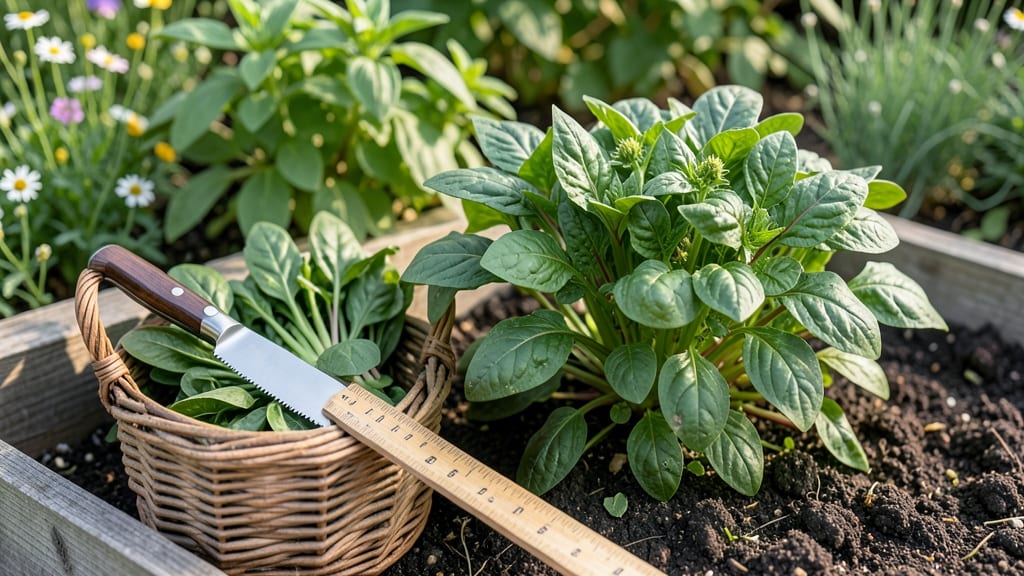
Picking spinach from your garden at the right moment ensures tender, flavorful leaves and keeps your plants producing for weeks.
Picture this: you’ve nurtured your 🌱 spinach through cool spring mornings, only to pull a leaf that’s tough, bitter, or—worse—already bolting. That’s the difference between a continuous harvest and wasted effort.
The key is timing: harvest outer leaves when they’re 4–6 inches long and still bright green, leaving the inner growth to keep the plant thriving.
Season matters too. In Zone 6a, spring spinach (planted March–April) is best picked in May–June, while fall varieties (sown August–September) should be harvested before October’s first frost. Heat stress or over-maturity turns sweet leaves bitter—so check your plants weekly and cut just above the soil to encourage regrowth.
Below, I’ll break down exactly how to spot the perfect harvest window, when to stop cutting for the season, and how to store your bounty for fresh salads all week. No guesswork, just leaf-by-leaf advice for gardeners who want the most from their plants.
How to identify the perfect time to harvest spinach for best flavor
Knowing when to pick spinach from your garden is all about reading the plant’s signals—leaf size, color, and texture all play crucial roles. Baby leaves and mature harvests require different approaches, but both demand attention to detail.
The goal? Tender, flavorful greens that keep producing for weeks. I’ve learned the hard way that waiting too long turns sweet spinach into bitter, fibrous messes!
Spinach thrives when harvested young, but not too young. The ideal harvest window starts when leaves reach 4-6 inches long and are fully unfurled. This is when their flavor peaks—sweet, crisp, and packed with nutrients.
Mature leaves (larger than 6 inches) still work, but they’re tougher and may bolt sooner, especially in warm weather.
Here’s the golden rule: Harvest outer leaves first to encourage regrowth. This method, called cut-and-come-again, keeps your spinach producing for months. Just leave the inner leaves and center rosette intact—they’ll sprout new growth in as little as a week!
Think of it like trimming your hair—you want to keep the roots healthy.
Color is another key indicator. Bright green leaves signal peak ripeness, while yellowing or red-tinged edges mean stress—likely from heat or drought. If you see bolting stems (flower stalks), it’s too late for a tender harvest.
Bolt-resistant varieties like 'Bloomsdale Long Standing' give you a slightly longer window, but timing still matters.
Texture is your best friend when deciding when to pick spinach. Run your fingers over the leaves—tender leaves should feel almost silky, while mature ones have a slight resistance.
If you hear a crunch when bending them, they’re past their prime. I once harvested a batch that sounded like corn chips, and let me tell you, it was disappointing!
Season also affects harvest timing. In cool spring or fall weather, spinach grows slowly, so you can stretch harvests over weeks. But in warm summer months, plants bolt faster—aim to harvest within 30-45 days of sowing.
Varieties like 'Tyee' or 'Space' are bolt-resistant, giving you a 10-14 day extension in heat.
One mistake I see often? Waiting until leaves are too large before harvesting. By then, the plant has already diverted energy to flowering. Instead, snip outer leaves when they’re 4-5 inches long, leaving the inner rosette.
This keeps the plant happy and productive. Use clean, sharp scissors or pruners to avoid damaging stems.
Storage can also trick you into thinking spinach is ready to harvest. If your fridge drawer has wilted spinach, it’s a sign you should’ve picked it earlier! Freshly harvested leaves last 5-7 days in the fridge, but their flavor degrades faster than you’d think.
For the best taste, harvest small batches frequently rather than one giant haul.
Finally, watch for pests or disease signs like holes or yellow spots. These can make leaves inedible, so harvest affected plants immediately. Aphids or spider mites love stressed spinach—keep your garden well-watered and mulched to deter them. Healthy plants = happier harvests!
With these cues, you’ll never guess wrong again. Timing is everything—harvest too early, and you’re wasting potential; too late, and you’re left with tough, bitter leaves. Now grab those shears and enjoy a steady supply of homegrown spinach all season long! ✂️🌿
Spinach harvesting techniques: cut-and-come-again vs. full harvest for continuous yield
Mastering the cut-and-come-again method lets you enjoy fresh spinach for weeks, while knowing when to do a full harvest prevents bitterness and bolting. Both techniques require precision—over-harvesting weakens plants, while under-harvesting leads to tough leaves. Let’s break down the best approaches for your garden.
For cut-and-come-again harvesting, focus on the outer leaves first. These are fully mature but won’t compromise the plant’s ability to regrow. Leave the inner rosette intact—this ensures the plant keeps producing new growth.
I like to harvest when leaves reach 4-6 inches long and are bright green, as this signals peak tenderness.
⚠️ callout warning ⚠️
Never remove more than 1/3 of the plant at once. Over-harvesting stresses spinach, leading to bitter leaves and early bolting. If you see yellowing stems or sparse regrowth, you’ve taken too much!
🌱 Pro Tip: Use clean, sharp scissors to cut leaves at the base—this prevents tearing and speeds up regrowth.
A full harvest is ideal when spinach reaches 60 days old or starts showing signs of bolting (flowering stems). At this stage, the entire plant is ready for harvest—pull it up by the roots or cut the base, leaving nothing behind.
This method works best for late-season spinach or varieties prone to bolting in heat.
To maximize regrowth, always leave at least 2-3 inches of stem attached to the plant. This ensures the roots stay active and can produce new leaves.
I’ve found that young spinach varieties (like ‘Baby’s Leaf Hybrid’) regrow best with partial cuts, while older varieties may need a full harvest to prevent woody stems.
Timing matters too—harvest in the morning after dew dries for the freshest flavor and crispest texture. Avoid harvesting during hot afternoons, as leaves can wilt quickly and lose their sweetness. Store harvested spinach in the fridge for up to 5 days or blanch and freeze for long-term use.
For a continuous yield, alternate between partial cuts (every 7-10 days) and full harvests (every 4-6 weeks). This balance keeps your spinach productive and your kitchen stocked with homegrown greens all season long. 🌿