
Picking
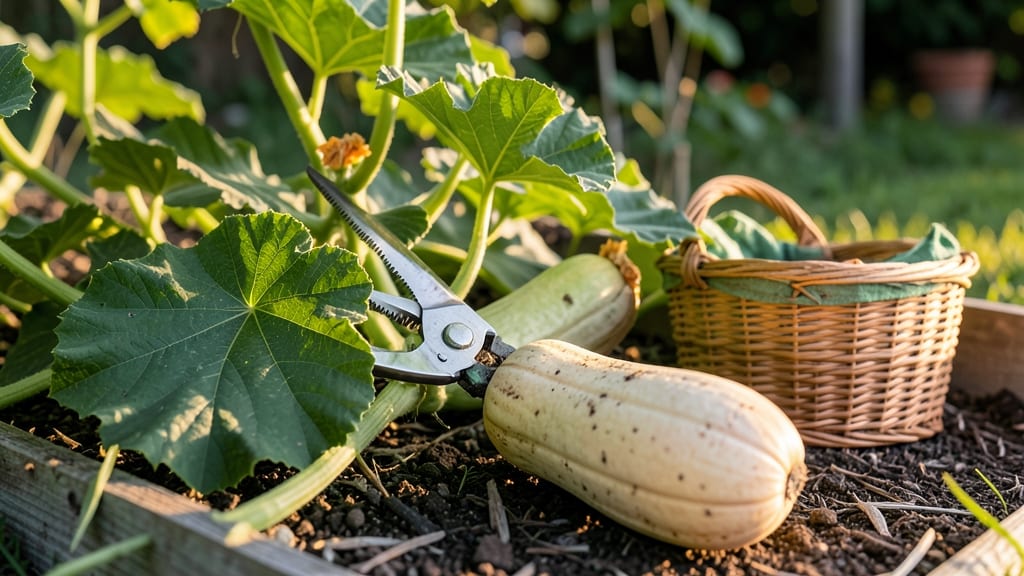
To pick spaghetti squash from your garden at the perfect time means tender, noodle-like flesh instead of tough, stringy disappointment.
Picture this: you’ve waited all summer for that 🎃 to ripen, only to slice it open and find the strands still hard as a board. That’s the difference between a 5-star dinner and a disappointing side dish—and it all comes down to timing.
You’ll learn the 3 foolproof visual cues to watch for, from rind color shifts to stem changes, plus how temperature and frost risk can throw off your harvest schedule.
By the end, you’ll know exactly when to reach for that knife—so your spaghetti squash turns out perfectly every time.
3 Visual cues to determine when spaghetti squash is ready for harvest
Spaghetti squash thrives when left on the vine just long enough to develop its signature tender, stringy interior. But wait too long, and you’ll end up with overripe, seedy squash that’s tough to eat.
The key is learning these three foolproof visual cues—because unlike butternut squash, spaghetti squash doesn’t rely on weight or size alone. Instead, focus on color shifts, stem changes, and vine behavior to nail the perfect harvest window.
I’ve learned the hard way that green rind doesn’t mean unripe—some varieties stay green well past their prime. The real magic happens when the rind dulls to a matte yellow or tan, signaling the flesh inside is breaking down into those prized noodle-like strands.
But there’s more to it than just color. Let’s break down the three must-know signs that your spaghetti squash is begging to be picked.
- 1 Rind Color Shift: The skin transitions from bright green to a dull yellow or tan. Press your thumbnail—if it leaves a slight dent, it’s ready!
- 2 Stem Dries Out: The stem near the squash turns brown and papery, almost like crumpled paper. A fresh, green stem means more time on the vine.
- 3 Vine Dies Back: The plant’s leaves yellow and wilt, and vines near the squash collapse. This natural decline means the squash is focusing energy on ripening.
If you miss these cues, your squash might become overripe and woody, or worse—rot if left too long in humid conditions. I once waited until the rind turned orange, and the flesh was stringy and bitter.
Now, I harvest the moment the rind dulls, ensuring that perfect al dente texture we all love.
Another pro tip? Check for soft spots—if the squash feels slightly soft when gently squeezed (but not mushy), it’s prime. This tactile test works especially well in shady or cool climates, where color changes might be less pronounced.
I’ve found that morning harvests work best because the squash is cooler and firmer after overnight rest.
What happens if you wait too long? The rind may crack open, exposing the seeds inside—a sure sign the squash has overstayed its welcome. Even worse, the flesh can turn grainy and inedible.
I’ve seen this happen in hot, dry summers, where squash ripens faster. Always harvest before the vines die completely to avoid this fate.
For early-season varieties like ‘Tivoli,’ these cues appear around 80–90 days after planting. But heirloom types like ‘Honey Bear’ might take 100+ days. Keep a garden journal to track your squash’s progress—note when vines flower and when the first squash forms.
This helps you predict ripening timelines for future harvests.
One mistake I see often is picking based on size alone. A large spaghetti squash isn’t necessarily ripe—it could just be waterlogged or diseased. Always combine size, color, and stem checks for accuracy.
I’ve harvested squash that looked perfect but were still hard and unripe inside because the stem was still green.
Finally, store your harvest properly to preserve freshness. Once picked, spaghetti squash lasts 1–2 weeks at room temperature or up to 3 months in the fridge.
But if you’re not ready to cook it yet, cure it first by placing it in a warm, dry spot for 5–7 days. This hardens the skin, extending shelf life.
Mastering these visual cues means no more guesswork at harvest time. Next time you’re in your garden, grab a squash and give it the thumbnail test. If it’s ready, you’ll know—and your spaghetti squash pasta will thank you! 🎃
How to test spaghetti squash ripeness (without cutting it open)
Testing spaghetti squash ripeness without cutting it open is easier than you think! This 3-step tactile method lets you confirm perfect ripeness using just your hands and eyes. No knife required—just follow these simple checks to avoid the frustration of tough, underripe flesh or overripe, mushy squash.
First, examine the rind color—ripe spaghetti squash transitions from bright green to a dull yellow or tan. Press your thumbnail into the skin: if it leaves a slight indentation but doesn’t puncture, the squash is ready.
This firm-but-yielding texture is your first clue that the inside strands are tender and ready to eat.
Next, check the stem and vine. A ripe squash will have a dry, papery stem that’s easy to snap off near the base. If the stem is still green and moist, wait a few more days.
The vines should also start yellowing and dying back naturally—this signals the plant is redirecting energy to the squash for ripening.
⚠️ callout warning ⚠️
If you ignore these signs and wait too long, your squash will shrink, develop soft spots, and rot. Overripe squash also loses sweetness and develops a grainy texture—no amount of cooking will fix that!
Fix it: Harvest immediately if you see wrinkled skin, mold, or a fermented smell. Use it right away in recipes like soups or stir-fries where texture isn’t critical.
For extra confirmation, gently tap the squash—a ripe one will sound hollow when tapped near the stem. This hollow sound indicates the seeds are fully developed, and the stringy flesh is at peak tenderness. If it sounds dull, it’s not ready yet.
Timing is everything! In cooler climates (Zones 4-6), aim for harvest between 90-110 days after planting. In warmer zones (7-10), squash may ripen faster—watch for those visual cues instead of relying on days alone.
Missed the window? Store unripe squash in a cool, dark place for 1-2 weeks to finish ripening.
Now that you’ve mastered the no-cut test, you’ll never guess again. The next time you’re debating whether to harvest, just press, tap, and look—your spaghetti squash will thank you with perfectly tender strands every time! 🎃