
Picking
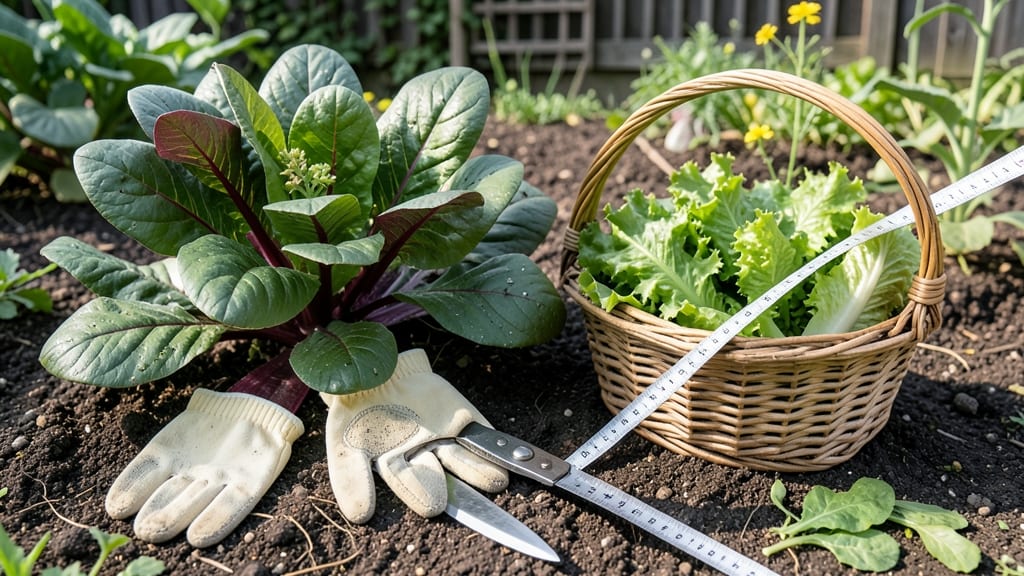
Picking lettuce from your garden at the right time means the difference between crisp, sweet bites and bitter, wilted disappointment.
Imagine biting into a leaf that’s already tough or bolted—too late, and you’ve lost the harvest window entirely. The key is knowing when those 🥬 leaves hit peak flavor, before heat or overgrowth ruins them.
Here’s what to watch for: leaf size, stem firmness, and color vibrancy—three simple tests that tell you exactly when to snip. Skip these cues, and you’ll end up with lettuce that’s either underdeveloped or past its prime.
In this guide, I’ll walk you through the perfect timing, how to avoid common mistakes, and even how to store your harvest so it stays fresh longer. No more guesswork—just crisp, homegrown greens every time.
3 Leaf tests to determine perfect lettuce harvest time
Harvesting lettuce at the wrong time can turn your crisp, sweet greens into bitter, wilted disappointment. The key to perfect lettuce lies in understanding three simple leaf tests that guarantee peak flavor and texture.
Whether you're growing butterhead, romaine, or leaf lettuce, these visual and tactile cues will help you pick your harvest at the ideal moment.
Lettuce is one of the most forgiving garden crops, but timing matters. If you wait too long, your lettuce may bolt (send up a flower stalk) or develop bitter flavors.
On the other hand, harvesting too early means missing out on the full crispness and sweetness your plants have to offer. Let’s dive into the three essential tests to determine when your lettuce is ready for the table.
- Leaf Size Test: Ideal leaves should be 4-6 inches long. Measure the outer leaves—if they’re smaller, wait a few days. If they’re larger, harvest soon to avoid toughness.
- Stem Thickness Test: Gently squeeze the base of the stem. If it feels plump and firm, your lettuce is ready. A thin or hollow stem means it’s underdeveloped.
- Color Consistency Test: Vibrant, deep green or rich purple leaves signal readiness. Yellowing or pale leaves mean your lettuce is overripe or stressed.
Start with the leaf size test—this is the most straightforward way to gauge maturity. For most lettuce varieties, you’ll want outer leaves to reach 4-6 inches in length. This ensures the plant has had enough time to develop crisp texture and sweet flavor.
If your lettuce is a leaf variety, like romaine or butterhead, you can begin harvesting outer leaves once they reach this size, allowing the inner leaves to continue growing.
Next, use the stem thickness test to confirm readiness. A mature lettuce head will have a thick, sturdy stem that resists gentle pressure. If the stem feels soft or hollow, your lettuce needs more time.
This test is especially useful for head lettuce varieties, like iceberg or crisphead, where the entire head should be harvested at once.
The color consistency test is your final check before harvesting. Healthy lettuce leaves should be vibrant green or deep purple, depending on the variety. Yellowing or browning edges are signs of overmaturity or stress, which can make your lettuce bitter.
If you notice these signs, harvest immediately to salvage what you can or consider removing the entire plant if it’s too far gone.
For cut-and-come-again lettuce, like loose-leaf varieties, you can harvest outer leaves as soon as they reach the ideal size. This method encourages continuous growth, giving you a steady supply of fresh lettuce.
Simply snip or twist off the outer leaves, leaving the inner leaves intact. This approach works best for leaf lettuce varieties and can extend your harvest season by several weeks.
Timing your harvest correctly also depends on the season and weather conditions. Lettuce grows best in cool temperatures (50-70°F). If you’re harvesting in hot summer months, your lettuce may bolt or develop bitter flavors more quickly.
To combat this, provide afternoon shade and keep the soil consistently moist. In cooler months, lettuce may take longer to mature, so monitor your plants closely.
One common mistake is waiting too long to harvest, which can lead to bolting or bitterness. If your lettuce sends up a flower stalk, it’s past its prime for eating.
The good news is that you can often harvest the leaves before bolting occurs by picking outer leaves regularly. This method is especially effective for loose-leaf varieties and can give you multiple harvests from a single plant.
Once you’ve mastered these three tests, you’ll never again struggle with underripe or overripe lettuce. The key is to check your plants regularly and harvest at the first sign of readiness. With practice, you’ll develop an instinct for knowing when your lettuce is at its peak. Happy harvesting!
How to avoid bitter lettuce: timing and environmental factors
Nothing ruins a fresh salad faster than bitter lettuce. That unpleasant taste usually comes from heat stress or the plant's natural response to flowering, called bolting. When lettuce bolts, it shifts energy from leaf production to seed development, leaving you with tough, bitter greens.
The good news? You can control this with smart planting timing and environmental adjustments.
Lettuce thrives in cool weather—ideally between 40°F and 75°F. When temperatures climb above 80°F, most varieties start producing bitter compounds as a survival mechanism. Even a single hot day can trigger bolting in sensitive types like butterhead or leaf lettuce.
The key is to time your planting so harvest happens before summer heat sets in.
⚠️ WARNING: BOLTING TRIGGERS BITTERNESS Lettuce bolts when stressed by heat, drought, or long daylight hours. Once it sends up a tall flower stalk, the leaves become tough and bitter within 3-5 days.
To avoid this: - Plant heat-tolerant varieties like Romaine or Black Seeded Simpson for summer harvests - Use shade cloth (30-50%) to block afternoon sun during peak heat - Keep soil consistently moist—never let it dry out completely 🌱
Your planting schedule makes all the difference. For spring crops, sow seeds 4-6 weeks before your last frost date so you can harvest before summer arrives. For fall lettuce, plant 8-10 weeks before your first frost to catch the cooler weather.
In warm climates, consider succession planting every 2-3 weeks to stagger harvests and avoid heat stress on all plants at once.
Watering plays a crucial role in preventing bitterness. Lettuce needs consistent moisture—about 1 inch per week—but avoid overhead watering in the evening, which can promote disease. Instead, water deeply in the early morning to keep roots cool and leaves dry.
During heatwaves, increase frequency to every other day and mulch with straw or grass clippings to retain moisture and regulate soil temperature.
If you notice your lettuce starting to bolt, act fast. Harvest the outer leaves immediately—they'll still be tender. For leaf varieties, you can often cut back the plant by half and let it regrow for another harvest.
For head lettuce, remove the entire plant before the stalk elongates. With the right timing and care, you can enjoy sweet, crisp lettuce all season long without the bitter aftertaste.
Remember, the best way to avoid bitter lettuce is to harvest at the right time. Check for firm, vibrant leaves that are 4-6 inches long before they have a chance to overmature. This simple habit will keep your salads delicious and your garden productive.