
Picking
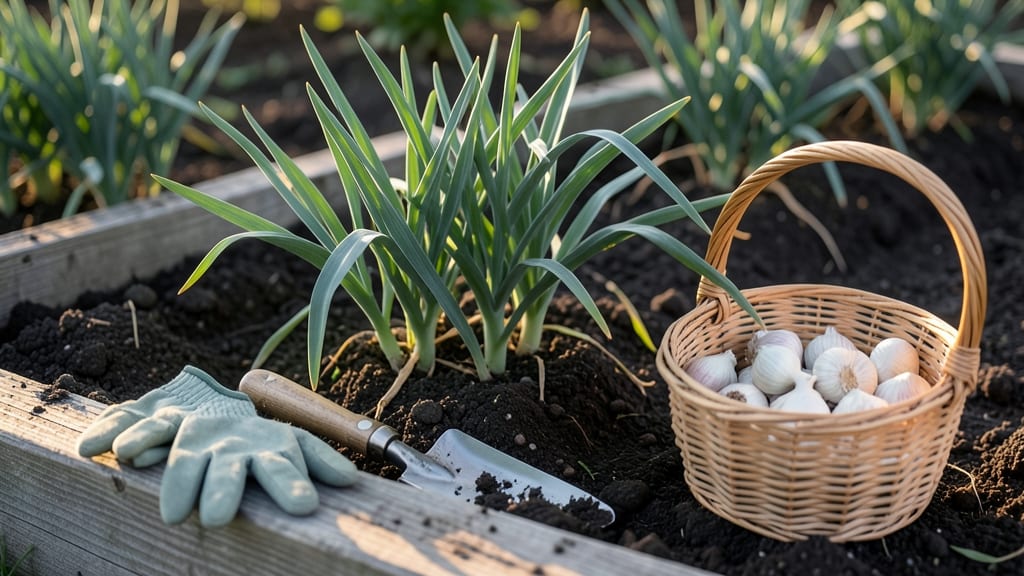
To pick garlic from your garden at the perfect time means harvesting flavorful bulbs that store well and pack a punch in your cooking.
Harvesting garlic at the wrong time can mean the difference between bold, flavorful bulbs and weak, pungent cloves—so knowing exactly when to pick garlic from your garden is a game-changer for home growers.
Most gardeners wait until late summer when the lower leaves turn brown and dry, but timing varies by variety and climate. Hardneck garlic, for example, often signals readiness earlier than softneck types, and a late harvest can lead to mold or bolting.
In this guide, I’ll walk you through three key visual cues to nail your harvest window, plus how to cure and store your garlic for maximum flavor and shelf life.
3 Visual cues to identify perfect garlic harvest time
Knowing when to pick garlic from your garden transforms your harvest from mediocre to extraordinary. The key lies in recognizing three visual cues that signal your bulbs are ready for harvest.
These cues—leaf color changes, bulb size indicators, and stem conditions—work together to tell you when your garlic is at its peak flavor and storage potential.
Garlic doesn't give obvious signs like tomatoes or peppers, so you must learn to read its subtle language. For both hardneck and softneck varieties, these visual cues remain consistent.
Ignoring them can lead to small bulbs, poor storage life, or even moldy cloves. Let's break down each cue so you can confidently harvest at the perfect moment.
-
1Lower leaves turn brown and crispy
Check the bottom third of leaves—when 50-60% are brown and dry to the touch, your garlic is nearing harvest. This signals the bulb has stopped growing upward and is maturing.
-
2Bulbs feel firm when gently squeezed
Dig up a test bulb and press it—if it feels solid and dense (not soft or spongy), it's ready. Soft bulbs mean premature harvest, while overly dry ones indicate delayed harvest.
-
3Stems snap easily when bent
Grasp a stem near the bulb and bend it—if it snaps cleanly (not bends or breaks unevenly), the bulb is fully mature. This is your final confirmation before harvesting the entire patch.
For hardneck garlic, these cues appear slightly earlier—often by 1-2 weeks—because their growth cycle is shorter. Meanwhile, softneck varieties may take an extra week or two to show these signs. Pay close attention to your specific variety, as regional climate also plays a role in timing.
One common mistake is waiting until all leaves turn brown. By then, your garlic may have started to bolt or develop mold. The ideal time is when only the lower leaves have browned while the upper leaves remain green. This balance ensures maximum bulb size and flavor.
Pro tip: Harvest on a dry, sunny day to allow bulbs to cure properly. Use a fork or spade to gently loosen soil around the plant, then lift it by the stem. Shake off excess dirt but don't wash the bulbs—this removes protective layers needed for curing.
After harvesting, let your garlic cure in a dry, shaded area for 2-4 weeks. Proper curing enhances flavor and extends storage life. If you miss the window, don't panic—just adjust your timing next season and use the cues to guide you.
Mastering these visual cues ensures you'll always harvest garlic at its peak quality. The difference between a bold, papery-skinned bulb and a shriveled, pungent clove often comes down to timing. Now you're equipped to make that call with confidence!
Hardneck vs softneck garlic: when to harvest each type
Harvesting hardneck and softneck garlic at the right time ensures maximum flavor and storage potential. These two varieties have distinct harvest windows, influenced by climate zones and growth stages.
In northern regions (USDA Zones 3-6), hardnecks mature earlier, while softnecks thrive in warmer southern climates (Zones 7-10) with extended growing seasons.
For hardneck garlic, the first harvest opportunity comes when the scape (curly stem) appears in early summer. Removing scapes redirects energy to bulb development, but the main bulb harvest occurs when lower leaves brown and the tops begin to yellow—typically late June to early July in cooler climates.
| Type | Key Harvest Cue | Northern Zones | Southern Zones |
|---|---|---|---|
| Hardneck | Lower leaves brown, tops yellow | Late June - Early July | Early July - Mid-August |
| Hardneck (scapes) | Scape curls appear | Early June | Late May - Early June |
| Softneck | Lower leaves yellow, bulbs firm | Mid-July - Early August | Late August - September |
| Both Types | Bulbs feel solid when pressed | Before first frost | Before heavy rains |
Softneck garlic matures later, with harvest timing shifting 2-4 weeks later than hardnecks. In northern zones, aim for mid-July to early August when lower leaves yellow and bulbs feel firm. In southern climates, wait until late August to September, as warmer temperatures slow maturity.
Adjust harvest timing based on your last frost date. Hardnecks should be pulled 2-3 weeks before frost, while softnecks can handle slightly later harvests.
In Zone 8+, softnecks may even overwinter, but bulbs will be smaller. Always prioritize leaf color changes over calendar dates for the best results.
After harvesting, cure bulbs in a dry, shaded area for 2-3 weeks to develop papery skins. This step is critical for both types—hardnecks need 3-4 weeks of curing due to their higher moisture content.
Proper curing prevents mold and extends storage life up to 8 months for softnecks and 6 months for hardnecks.
🌱