
Picking
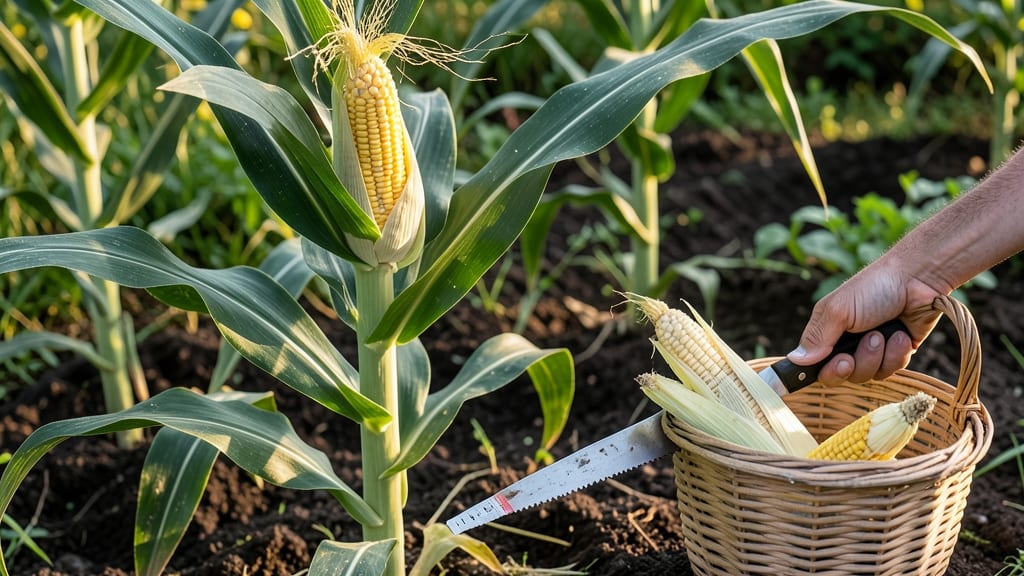
To pick corn from your garden at its sweetest, watch for milky-white kernels, dry brown silks, and husks that feel snug—these are your cues for peak flavor.
Nothing beats the taste of fresh-picked corn straight from your garden—but timing is everything. Harvest too early, and you’ll miss peak sweetness; wait too long, and you’ll end up with tough, starchy kernels.
Most gardeners in USDA Zone 6a can expect their corn to reach harvest readiness between July and September, but the exact moment depends on kernel development and environmental factors like temperature and humidity.
Below, I’ll walk you through the 3 foolproof signs to pick corn at its prime, plus how to adjust for regional climate differences and store your harvest for maximum freshness.
3 Visual signs your garden corn is ready to harvest
There’s nothing like biting into a freshly picked ear of corn—crisp, sweet, and bursting with summer flavor. But knowing when to pick corn from your garden can be tricky.
Miss the window, and you’ll either get underripe, watery kernels or overripe, starchy ears. The key is watching for these three visual cues that signal peak harvest time.
First, pay attention to the silks. When they’ve dried out and turned brown and papery, that’s your first clue. Next, check the kernels for plumpness and color. Finally, give the husks a gentle squeeze—they should feel snug but not too tight.
These simple checks will help you avoid the most common mistakes, like harvesting too late or missing the sweetest moment.
- 🟤 1. Silks Turn Brown & Dry
When the silks (those fuzzy strands at the top) turn tan or brown and feel crispy to the touch, pollination is complete. This usually happens 20-25 days after tasseling. - 🤲 2. Kernels Are Plump & Milky-White
Pierce a kernel with your fingernail. If it releases a milky-white liquid (not clear or yellow), it’s at peak sweetness. Kernels should also feel firm but not hard. - 🔍 3. Husk Fits Snugly Around Ear
The outer husks should wrap tightly around the ear but not be too constricting. If they pull back easily, the corn is overripe. If they’re still loose, it’s not ready yet.
Don’t rely on days after planting alone—corn maturity varies by variety and climate. For example, sweet corn like ‘Silver Queen’ matures in 70-75 days, while super-sweet varieties like ‘Ambrosia’ may take 65-70 days. Always cross-check with these visual signs for the best results.
One common mistake is waiting until the silks fall off completely. By then, the kernels have already started converting sugars into starch, making the corn less sweet and more mealy.
Instead, harvest when the silks are mostly brown but still attached. This ensures you get the peak sweetness window.
Another trick is to check multiple ears from different plants. Corn can mature unevenly, especially in hot or dry conditions. By picking a few test ears and tasting them, you’ll train your eye to spot the perfectly ripe corn every time.
Save the first few ears for tasting tests—this way, you’ll know exactly when the rest are ready.
If you’re growing multiple corn varieties, keep a small harvest journal. Note the date of planting, first silk appearance, and harvest day for each type. Over time, you’ll learn which visual cues work best for your specific garden conditions and corn types.
For regional adjustments, remember that cooler climates may delay maturity by 1-2 weeks, while hot, dry summers can speed up the process. In USDA Zone 5 or colder, start harvesting earlier to avoid early frost, which can damage tender corn.
Always have a backup plan for storing or preserving excess ears.
Once you’ve mastered these three visual signs, you’ll never miss the sweetest corn season again. The next time you’re standing in your garden with a knife in hand, just remember: brown silks, milky kernels, and snug husks mean it’s time to harvest. Your taste buds will thank you!
How to test corn sweetness before harvesting (the finger test method)
Determining when your garden corn is at peak sweetness can be tricky, but the finger test method is a foolproof way to avoid tough, starchy kernels. This simple trick works for sweet corn, super-sweet corn, and even field corn with just a little practice.
The key is understanding how the kernels' moisture content translates to flavor.
Start by selecting a corn ear that looks mature—husks should be tight and silks brown and dry. Gently peel back the husks to expose the kernels. Now comes the magic: press your fingernail into the side of a kernel.
The color of the liquid that appears will tell you everything you need to know about sweetness and don’t forget to adjust for your specific corn variety.
For standard sweet corn, you’re looking for a milky-white liquid when you pierce the kernel. This indicates peak sweetness and tenderness. Super-sweet corn varieties (like Silver Queen or Honey & Pearl) will have a slightly creamier liquid—almost translucent—because they contain higher sugar levels.
If the liquid looks clear or watery, the corn is underripe and needs more time on the stalk.
Field corn, often grown for animal feed or processing, won’t pass this test—its kernels will always appear starchy and opaque. If you’re growing field corn, focus on kernel firmness and even color instead.
Remember, the finger test only works for sweet corn varieties, so always check your seed packet before relying on this method.
Timing is critical, especially in hot climates where corn can go from sweet to starchy in 24 hours. If you’re unsure, test a few ears from different plants—sweetness can vary slightly based on soil nutrients and weather conditions.
Once you’ve confirmed peak sweetness, harvest immediately and store in the fridge for up to 5 days to preserve flavor.
Pro tip: If your corn fails the finger test but the silks are brown, try blanching the ears in boiling water for 5 minutes before eating. This can sometimes restore some tenderness, though it won’t improve sweetness.
The finger test is your best friend for ensuring that homegrown corn tastes as sweet as it should!