
Picking
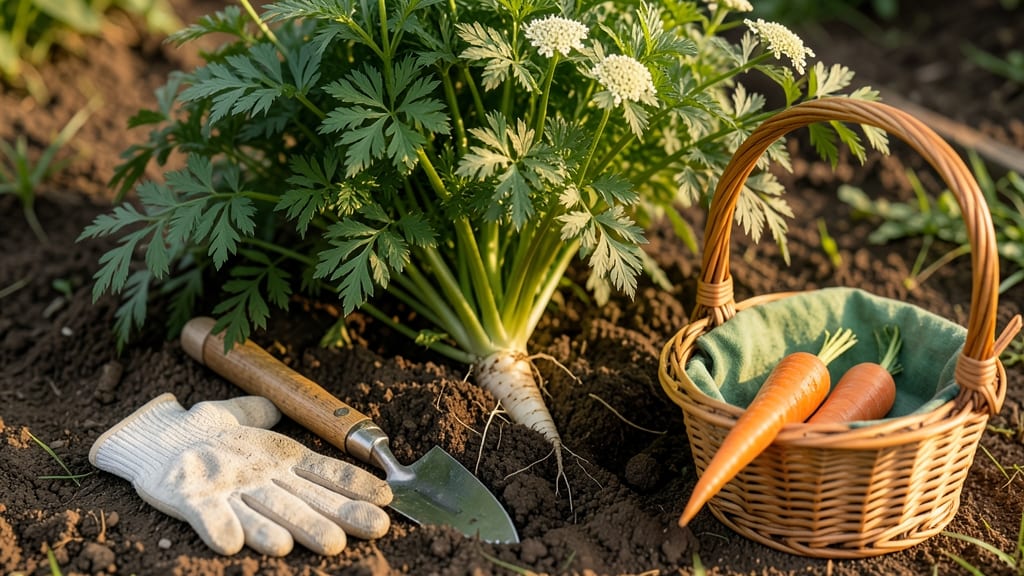
To pick carrots in your garden at the perfect time means harvesting them when they're sweet, tender, and at their peak flavor—before they turn woody or split.
There’s nothing worse than sinking your fingers into the soil only to pull out a tough, stringy root or a tiny nub that barely fills a salad bowl. The right moment makes all the difference, and it’s easier to spot than you might think.
Most gardeners wait too long, but the clues are right there in the soil, the leaf size, and even the color of the tops. I’ll show you exactly what to look for so you never miss the window again.
From spring to fall crops, we’ll cover the visual cues, the best tools to use, and how to handle those tricky late-season harvests before frost sets in.
3 Visual cues to determine when carrots are ready for harvest
Knowing exactly when to harvest your carrots can transform a mediocre garden harvest into a bounty of sweet, crisp roots. The key lies in observing three simple but critical visual cues—leaf color, root size, and soil visibility—that reveal when your carrots have reached peak ripeness.
Ignoring these signs often leads to either underdeveloped roots that are too small or woody roots that lose their tenderness.
Carrots are unique because their edible portion grows underground, making it impossible to judge maturity by appearance alone. That's why these three harvest indicators become your best friends in the garden.
Mastering them ensures you pull carrots at their sweetest, just before they become tough or start bolting—especially important for short-season varieties that need timely harvesting.
Here’s how to spot the perfect moment to harvest your carrots using these three foolproof visual cues:
- 1 Leaf Color and Size: Healthy carrot tops should be vibrant green and 3-4 inches tall. If the leaves start turning yellow or the plant bolts (sends up a flower stalk), it’s past its prime. For baby carrots, harvest when leaves are just 1-2 inches tall.
- 2 Root Diameter: Use your fingers to gently feel the soil around the base of the plant. Carrots are ready when they reach 1-2 inches in diameter. For heirloom varieties like Danvers, wait until they’re closer to 2 inches. Thin roots (under 1 inch) are still immature.
- 3 Soil Visibility: Loosen the soil around the plant with your fingers or a small trowel. If the carrot’s shoulder (the widest part) is fully visible above the soil line, it’s ready. This ensures you’re not pulling roots that are still growing downward. For container-grown carrots, check the bottom of the pot for root growth.
Paying attention to these three visual cues ensures you harvest carrots at their peak flavor and texture. The leaf color tells you about the plant’s overall health, the root diameter confirms size readiness, and soil visibility prevents you from pulling carrots too early or missing fully grown ones buried deeper.
Pro tip: For continuous harvests, plant successive batches every 2-3 weeks to enjoy fresh carrots all season.
One common mistake is waiting too long, which leads to woody texture—a sure sign your carrots have overmatured. Another is harvesting too soon, resulting in small, underdeveloped roots. By combining these visual checks with the days-to-maturity guidelines on your seed packets, you’ll never miss the perfect harvest window again.
For example, Paris Market carrots mature in about 50 days, while Nantes varieties take closer to 70 days.
Timing your harvest also depends on your climate zone. In cooler regions (USDA zones 3-5), aim to harvest before the first frost, while warmer zones (6-10) can extend harvesting into late fall or even winter with row covers.
Always harvest on a cool, overcast day to reduce stress on the plant and maintain crispness. Store harvested carrots in the fridge for up to 3 weeks or preserve them by canning, freezing, or fermenting for long-term enjoyment.
For container gardeners, these cues are even more critical since space is limited. Choose compact varieties like Little Finger or Short ‘n’ Sweet, which mature quickly and fit well in pots.
When checking soil visibility, remember that container-grown carrots may grow downward more aggressively, so monitor their progress closely. If you notice roots curling or splitting the pot, it’s time to harvest immediately to avoid stunted growth.
Finally, don’t forget to loosen the soil before planting to prevent forked or misshapen carrots—a common issue that makes harvesting difficult. Well-aerated soil not only encourages straight roots but also makes it easier to spot when they’re ready.
By combining these visual cues with proper soil preparation, you’ll enjoy a flawless carrot harvest every season.
🥕
Carrot harvest timing by variety: fast-growing vs. slow-maturing types
Not all carrots ripen on the same schedule, which means your harvest timing should depend on the variety you're growing. Fast-growing types like 'Paris Market' can be ready in as little as 50 days, while heirloom varieties like 'Danvers Half Long' may need 80-90 days to reach peak sweetness.
Understanding these differences helps you avoid pulling carrots too early (small and underdeveloped) or too late (woody and tough).
Soil temperature also plays a crucial role in determining when to harvest. Most carrots grow best when soil stays between 60°F and 75°F. Cooler temperatures slow growth, while hotter conditions can cause bolting.
For spring plantings, aim to harvest before summer heat sets in, while fall crops should be pulled before the first frost hits. Planning your harvest around these conditions ensures you get the best flavor and texture.
Here’s a quick comparison of popular varieties and their ideal harvest windows:
| Variety | Days to Maturity | Ideal Soil Temp (°F) | Harvest Cues |
|---|---|---|---|
| 'Paris Market' | 50-60 days | 60-70°F | 1-2" diameter, firm skin |
| 'Nantes' | 60-70 days | 65-75°F | 2-3" diameter, deep orange |
| 'Danvers Half Long' | 70-80 days | 60-70°F | 3-4" diameter, tapered shape |
| 'Purple Haze' | 75-85 days | 65-75°F | 2-3" diameter, purple streaks |
For fast-growing varieties, like 'Paris Market', I recommend checking for readiness every 2-3 weeks after sowing. These tiny carrots are perfect for baby food or quick snacks, but they won’t last long in the soil.
Use a hand fork to gently loosen the soil and check root size without damaging nearby plants. If the roots are 1-2 inches long and the tops are 3-4 inches tall, it’s time to harvest.
Slow-maturing varieties, like 'Danvers Half Long', need more patience. These carrots develop a deeper flavor and longer storage life, but they require consistent soil moisture and well-drained beds to prevent forking.
Wait until the foliage starts to yellow slightly at the base—this is a sign the plant is redirecting energy to the root. For best results, harvest these varieties in the fall when soil temps drop below 75°F, as cooler weather enhances sweetness.
Pro tip: If you’re unsure whether your carrots are ready, try the "thumb test". Gently press the soil around the carrot with your thumb. If the root resists pressure and the skin feels firm, it’s harvest-ready.
If it feels soft or easily dislodges, give it another 1-2 weeks to mature. Remember, carrots won’t sweeten after picking, so timing is everything for that perfect crunch and flavor.