
Picking
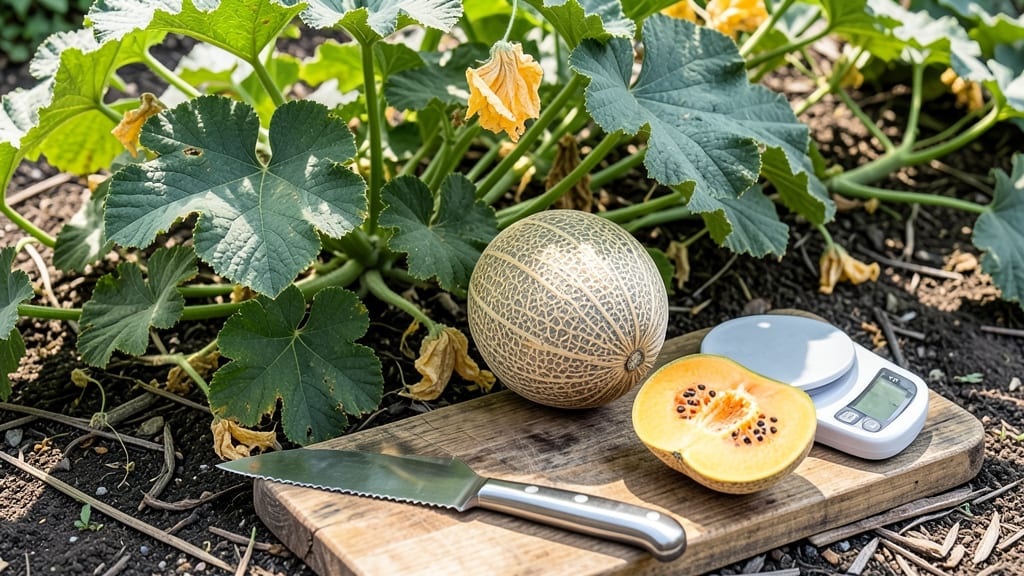
To pick cantaloupe from your garden at the perfect time, watch for three key signs that scream "ready to harvest" — and avoid the heartbreak of underripe or overripe fruit. 🍈
Picture this: you’ve nurtured your cantaloupe all season, but one wrong move could turn that juicy reward into a mealy disappointment. The secret? Knowing when the vine turns brown, the stem slips free, and that intoxicating sweetness fills the air.
Beyond the obvious cues, temperature and daylight play a sneaky role in ripening. A sudden heatwave can rush maturity, while cool evenings might stall it — and those 60-90 days from planting are just a starting point, not a rule.
Inside, I’ll break down the foolproof tests (including the "thump" trick) to check ripeness without cutting into your fruit, plus how to adjust for your local climate and variety. No more guesswork, just sweet success.


5 Visual and physical signs your cantaloupe is perfectly ripe
There’s nothing worse than slicing into a cantaloupe only to discover it’s either rock-hard or overly mushy. The good news? Cantaloupes give clear visual and physical cues when they’re ready to harvest—you just need to know what to look for.
From rind color shifts to vine changes, these five signs will help you pick your fruit at peak sweetness every time.
First, let’s address the most common mistake: assuming size equals ripeness. A cantaloupe can be fully grown but still unripe—so don’t rely on measurements alone. Instead, focus on these five foolproof indicators that tell you the moment is right.
Trust me, your taste buds (and your garden’s effort) will thank you.
🍈 5 Signs Your Cantaloupe Is Perfectly Ripe
- 1. Rind Color Change: Look for a cream or tan blush near the stem end (the "belly button"). The rest of the fruit may stay green, but this area will lighten as it ripens.
- 2. Vine Separation: Gently wiggle the fruit on its vine. If it slips free with minimal effort, it’s ready. A tight connection means it needs more time.
- 3. Sweet Aroma: Hold the cantaloupe near your nose. A powerful, sweet smell (like honey or cantaloupe candy) at the stem end is a dead giveaway.
- 4. Thumbnail Test: Press your thumbnail into the rind. If it leaves a slight indent but doesn’t puncture, the fruit is ripe. No dent? Wait a few days.
- 5. Stem End Color: The stem end (near the vine) will turn from green to yellow or brown. This is your final confirmation that the sugars have fully developed.
Let’s break down why each of these signs matters. The rind color change happens because the fruit’s chlorophyll breaks down as it matures, revealing the underlying cream tones. This is your first visual cue that the ripening process has begun.
Next, the vine separation trick works because cantaloupes naturally detach from the vine when their sugars peak. This isn’t just a gardening myth—it’s a biological process! The vine releases enzymes that weaken the stem’s grip as the fruit reaches perfection.
That sweet aroma you’re detecting? It’s not just wishful thinking. Cantaloupes release volatile organic compounds (like limonene and linalool) as they ripen, which your nose picks up as that unmistakable sweetness. Pro tip: If your cantaloupe smells fermented or overly strong, it’s overripe.
The thumbnail test is a simple way to gauge firmness without damaging the fruit. A ripe cantaloupe’s rind should yield slightly to pressure but still hold its shape. Think of it like the ripe peach test—just gentler! If the skin springs back immediately, it’s not ready yet.
Finally, the stem end color is your last check. This area is where the fruit’s nutrients and sugars concentrate during ripening. When it turns yellow or brown, you know the internal flesh is at its sweetest and most flavorful.
Ignore this sign, and you might end up with a bland or seedy cantaloupe.
Here’s a pro tip: Combine these signs for the most accurate reading. For example, if your cantaloupe has a cream-colored rind and a sweet smell but fails the thumbnail test, give it 1-2 more days. But if it checks three or more boxes, it’s time to harvest!
One more thing: harvest timing matters based on your climate. In hot, dry regions, cantaloupes ripen faster (sometimes in as little as 60 days), while cooler areas may take up to 90 days. Always adjust your expectations based on your local growing season.
Now that you know these signs, you’ll never second-guess when to pick your cantaloupe again. The next time you’re in your garden, take a moment to check these cues—your future cantaloupe smoothies (or salads!) will thank you. 🍈
How to test cantaloupe ripeness without cutting it open (pro tips)
Harvesting cantaloupe at the perfect moment means juicy, sweet fruit—without wasting time on underripe or overripe melons. The good news? You can test ripeness without slicing open your cantaloupe using simple, non-destructive methods. These tricks save you from guesswork and ensure you pick melons at their flavor peak.
Many gardeners skip the physical tests and rely only on color, but cantaloupe ripeness isn’t just about the rind. The thump test, vine separation, and bead check reveal what’s happening inside the fruit.
Master these techniques, and you’ll never miss the harvest window again—even if you’re not sure when to pick cantaloupe from your garden.
Start with the thump test, a classic method that works like a drum. Hold the cantaloupe in one hand and tap it gently with your knuckles. A ripe cantaloupe will sound hollow and deep, almost like a drum.
If it thuds like a solid block, it’s not ready yet. This test works because ripe cantaloupe develops air pockets inside.
Next, check the vine near the stem. When cantaloupe is ready, the vine connecting the fruit to the plant will turn brown and dry. Gently tug on the stem end—if it separates easily, that’s your cue to harvest.
This happens because the plant stops supplying nutrients, signaling ripeness. If the vine is still green, wait a few days.
Don’t overlook the bead check, a lesser-known trick for cantaloupe ripeness. Look for small, yellowish beads or bumps near the blossom end (the stem side). These are tiny sugar deposits that appear as the fruit ripens.
If you see them, your cantaloupe is ready to pick. This visual cue is especially helpful for varieties with striped or netted rinds.
Combine these methods for foolproof results. A cantaloupe that passes the thump test, has a brown vine, and shows beads near the stem is guaranteed to be sweet and ripe. Use these tricks to avoid the disappointment of hard, seedy cantaloupe or mushy overripe fruit.
Once you master these techniques, you’ll know exactly when to pick cantaloupe from your garden—no more cutting open melons to check! Share these pro tips with fellow gardeners so everyone can enjoy perfectly ripe cantaloupe every season. 🍈