
Picking
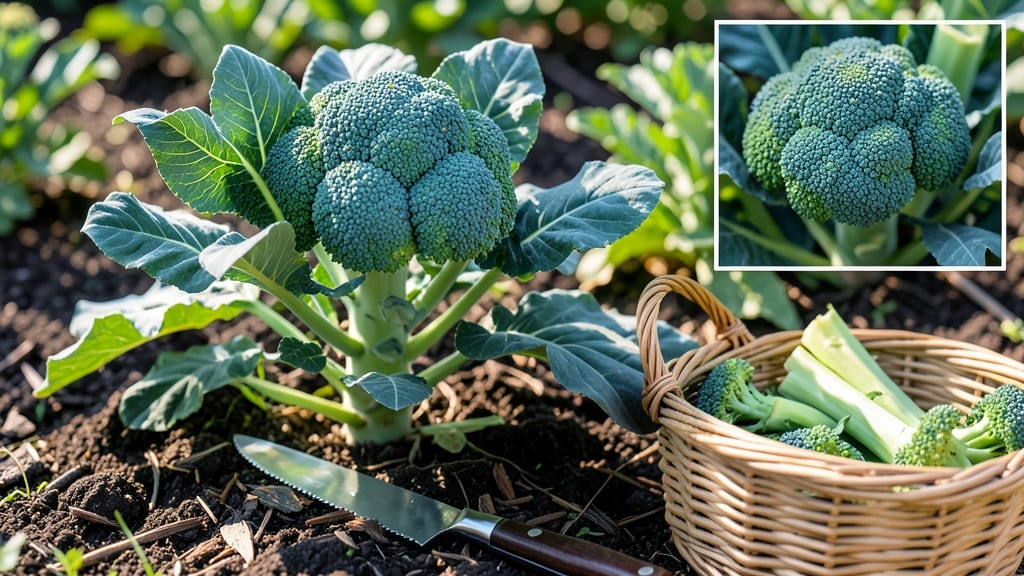
To pick broccoli 🥦 from the garden at the perfect moment means snagging heads that are crisp, flavorful, and packed with nutrients—before they turn bitter or flower.
Picture this: you’ve nurtured your broccoli plants all season, only to pull a head that’s already sprouting tiny yellow flowers or feels woody to the touch. That’s the difference between a garden-fresh triumph and a disappointing bite.
Knowing when to harvest isn’t just about size—it’s about color, texture, and even the time of day. A deep green head with tightly closed florets is your cue, but wait too long, and you’ll miss the window for that sweet, tender flavor.
In this guide, I’ll walk you through the three key color clues to harvest broccoli at peak ripeness, plus how temperature and seasonal shifts can tweak your timing.
3 Color clues to harvest broccoli at peak ripeness
Harvesting broccoli at the perfect moment transforms your garden bounty into a flavorful feast. The color of those florets is your first clue—each hue signals a different stage of ripeness. Deep green florets are the gold standard, but purple and yellow varieties have their own timing secrets.
Ignoring these color cues can mean tough, bitter, or overly mature broccoli that’s past its prime.
Sunlight plays a surprising role in these color changes. More sun exposure intensifies the green pigment while also accelerating maturity. Shade-loving varieties may develop slower, but their color cues remain just as reliable. Understanding these color-to-harvest connections ensures you never miss the sweet spot between crunchy perfection and woody overgrowth.
Here’s how to decode broccoli’s color signals and harvest at peak ripeness:
| Color Clue | Harvest Window | Sunlight Impact | Flavor Note |
|---|---|---|---|
| Deep Green | 4-8 inches diameter, buds tightly closed | Full sun intensifies color, speeds ripening | Sweet, crisp, mild |
| Purple-Bluish | 3-6 inches diameter, cooler temps | Partial shade enhances purple hues | Earthy, slightly nutty |
| Yellow-Green | Overripe, buds opening | Excess heat causes yellowing | Bitter, fibrous, tough |
Deep green broccoli is the most common variety, and its vibrant hue is your best indicator. Look for florets that are 4-8 inches wide with tightly packed buds. These heads should feel firm to the touch—like a dense, compact ball.
If your broccoli is getting too much direct sunlight, it may mature faster, so check it every 2-3 days during hot summers to avoid missing the window.
Purple broccoli varieties like 'Purple Sprouting' or 'Lace Broccoli' develop stunning bluish-purple florets when grown in cooler weather. These colors deepen in partial shade but still need full sun for growth.
Harvest when heads reach 3-6 inches—they’ll have a slightly earthier flavor than green types but are equally nutritious. The purple hue fades as they overripe, turning dull green.
Yellowing florets are a clear warning sign that your broccoli has passed its prime. This color shift happens when buds start to open and develop into flowers. The stems may also become woody or hollow, and the texture turns tough and bitter.
If you spot yellowing, harvest immediately—even if the florets aren’t fully open—or you’ll lose the entire head. Heat stress often triggers this change, so mulch heavily during summer heatwaves to slow ripening.
Sunlight exposure doesn’t just affect color—it speeds up or slows down the entire ripening process. Broccoli grown in full sun may mature 10-15 days faster than shade-grown plants, so adjust your harvest schedule accordingly.
For example, if your garden gets 6+ hours of direct sun daily, check your broccoli every 2-3 days starting at 50 days after transplanting. In partial shade, extend this window to 70 days and monitor color changes more closely.
Don’t overlook the stem color as a secondary clue. A healthy broccoli stem should be white or pale green and firm when pressed. If it turns yellow or feels hollow, the head is past its peak.
Cut stems 5-7 inches from the base to encourage side shoots—these smaller harvests will develop in 3-5 weeks and follow the same color rules for ripeness.
Pro tip: Use a small hand pruner or sharp knife to harvest. Cut just above a leaf node (where leaves grow from the stem) to promote regrowth. This method also prevents disease entry points that can harm your plant.
After harvesting, store broccoli in the crisper drawer of your fridge for up to 5 days to preserve color and crispness.
Mastering these color cues will turn your broccoli harvests from hit-or-miss to consistently flavorful and fresh. Start by planting a mix of green and purple varieties to experiment with flavors and harvest windows.
With practice, you’ll develop an eye for the perfect moment—when those florets are vibrant, firm, and bursting with garden-fresh potential.
How to check broccoli size and texture before picking
When harvesting broccoli, size and texture are your best indicators of readiness. A 4-8 inch diameter for the main head signals peak ripeness, while side shoots should be 2-4 inches wide. These measurements ensure you’re picking broccoli at its sweetest, most tender stage before it becomes bitter or woody.
Start by examining the floret density. The ideal head should feel firm and tightly packed, with no visible gaps between buds. If buds begin to loosen or spread apart, the broccoli has passed its prime and will develop a bitter taste.
This is a clear sign it’s time to harvest before flavor deteriorates.
Next, check the stem firmness. Press gently near the base—it should feel solid and thick, not hollow or spongy. A woody stem is a red flag, indicating the plant has overmatured. This often happens when broccoli isn’t harvested promptly after reaching ideal size.
⚠️ Warning: Overripe Broccoli
If your broccoli heads start showing yellowing florets or brown stems, they’ve become bitter and tough. These signs mean you’ve waited too long—harvest every 3-5 days during peak season to avoid this fate. Cut stems 5-7 inches down to encourage new side shoots!
Pay attention to the color of the florets. Perfectly ripe broccoli boasts a deep, vibrant green hue. If you notice any yellowing or browning, it’s a clear signal to harvest immediately. This discoloration often starts at the edges and spreads inward, ruining both flavor and texture.
For side shoots, which develop after harvesting the main head, focus on smaller size (2-4 inches) and tighter buds. These secondary harvests are often more flavorful than the primary head, so don’t overlook them. Regularly inspect your plants to catch these smaller harvests at their peak.
Finally, avoid harvesting in extreme heat or after heavy rain, as both conditions can stress the plant and alter texture. Early morning is the best time to pick—broccoli heads are crispest and most flavorful after a cool night.
Use a sharp knife or pruners to cut stems cleanly, leaving about 5-7 inches of stalk to encourage regrowth.