
Picking
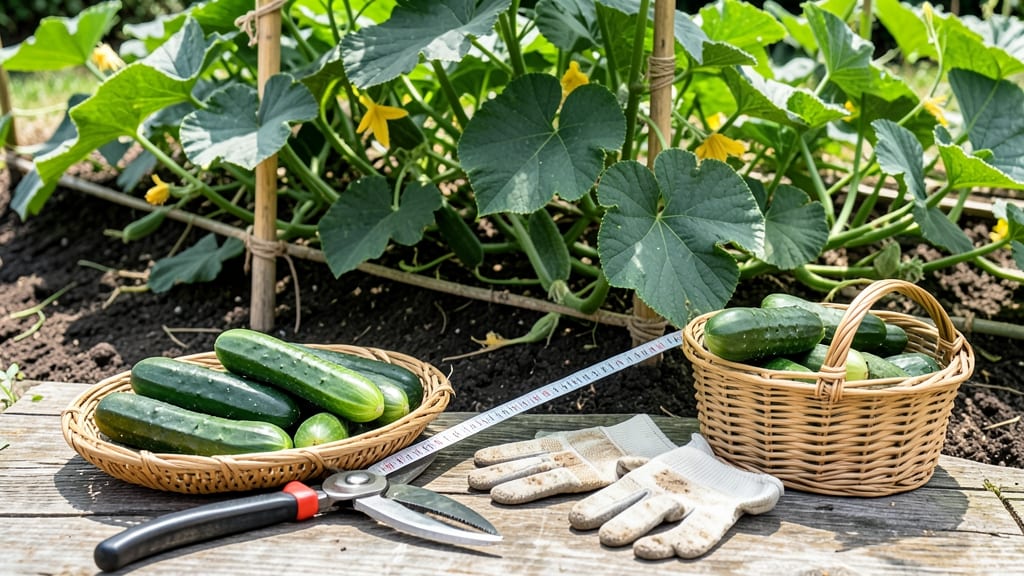
Harvesting cucumbers from your garden at the right time means the difference between a crisp, sweet bite and a mealy, bitter disappointment.
Picture this: you’ve spent weeks tending to your 🥒 cucumber plants, and now the moment has come to pick them. But how do you know when they’re truly ready?
Waiting too long turns them into oversized, seedy giants, while harvesting too early means missing out on that perfect crunch and flavor. The key is recognizing the subtle cues—size, color, and firmness—that signal peak ripeness.
In USDA Zone 6a, where spring planting kicks off after the last frost, timing matters even more. Cucumbers typically reach harvest readiness between 60–75 days, but skipping the daily check can mean missing the window.
Whether you’re growing slicing varieties or pickling types, knowing when to pluck them ensures your garden keeps producing—and keeps you coming back for more.
Below, I’ll break down the three foolproof signs your cucumbers are ready, plus how often to harvest to maximize yield without overripe fruit. No more guesswork, just garden-fresh perfection every time.
3 Key visual signs cucumbers are ready for harvest
Nothing beats the satisfaction of plucking a perfectly ripe cucumber straight from your garden—crisp, tender, and bursting with flavor. But timing is everything! Harvest too early, and you’ll get underdeveloped, seedy cucumbers.
Wait too long, and they’ll turn mealy or bitter. The secret lies in these 3 visual cues that tell you when it’s time to pick, tailored to your specific cucumber variety.
Most gardeners focus on size alone, but the stem color, skin texture, and even the plant’s behavior all play critical roles. For example, a Persian cucumber might be ready at just 4 inches, while a long English slicer could need 12 inches.
Let’s break down what to look for—and when to act—to ensure your harvest is always at its peak.
📌 Pro Tip: Check cucumbers every 2–3 days during their prime growing season (typically 60–75 days after planting). Morning is the best time to harvest, as the fruit is cooler and firmer.
| Sign | Visual Cue | Varietal Notes | Action |
|---|---|---|---|
| 1. Stem Color | Yellow or white stem end (for slicing types); green stem end (for pickling types) | Persian: green stem stays green; English: yellow stem signals ripeness | Harvest immediately—stem color changes quickly! |
| 2. Size | 6–12 inches (varies by variety) | Persian: 4–6 inches; Slicing: 8–12 inches; Pickling: 2–3 inches | Use a ruler—overlooking size leads to bitter cucumbers! |
| 3. Skin Texture | Firm but yields slightly when gently pressed (like a ripe avocado) | All varieties: avoid hard or mushy skin | Press with thumb—if it dents easily, it’s overripe. |
| Bonus: Flower | Female flowers (with tiny cucumbers) appear first; harvest these first | All varieties: female flowers produce fruit faster | Pick female flowers to encourage more production. |
Let’s start with the most obvious clue: size. While cucumbers can vary wildly depending on the variety, most slicing types (like Marketmore or Straight Eight) are ready when they reach 8–12 inches.
For pickling cucumbers (such as Boston Pickling), aim for 2–3 inches—any larger, and they’ll be too seedy and tough. Persian cucumbers, with their delicate skin and sweet flavor, are typically ready at just 4–6 inches.
If you’re growing heirloom varieties, always check the seed packet for specific guidelines.
Next, pay close attention to the stem color. This is where many gardeners trip up! For slicing cucumbers, look for a yellow or white stem end—this signals the cucumber has reached its sugar peak.
Pickling cucumbers, on the other hand, should still have a green stem end when harvested, as they’re meant to be firm and crunchy. If you’re unsure, snap the stem gently: if it snaps cleanly (not woody), it’s ready. A stubborn, fibrous stem means it’s past its prime.
Texture is the final piece of the puzzle. A perfectly ripe cucumber should feel firm but slightly yielding when you press it with your thumb. Think of it like testing a ripe avocado—just enough give to know it’s ready, but not so soft it’s mushy.
If the skin is hard and unyielding, it’s underripe. If it feels spongy or dented, it’s overripe and likely bitter. This cue is especially important for thin-skinned varieties like Persians, which can turn mealy faster than their thicker-skinned cousins.
Here’s a region-specific tip: In hot, dry climates (like USDA Zone 9–10), cucumbers ripen faster and may need harvesting every 1–2 days to avoid overripening. In cooler zones (like Zone 5–6), you might have a 10–14 day window between harvests.
Always adjust your routine based on your local growing season and weather patterns. For example, a sudden heatwave can accelerate ripening, so check your vines daily during these periods.
One common mistake I see is ignoring the plant’s behavior. Healthy cucumber plants produce fruit continuously, but if you notice yellowing leaves or stunted growth, it’s a sign the plant is struggling—often due to overripe cucumbers sapping its energy.
By harvesting regularly, you encourage the plant to produce more fruit, extending your harvest season by weeks. Plus, frequent
How often to harvest cucumbers for maximum yield
Harvesting cucumbers at the right frequency keeps your plants productive and your fruit delicious. Most gardeners aim for 2–3 harvests per week during peak production, but timing depends on your cucumber variety and growing conditions.
Overlooking this can lead to bitter cucumbers or stunted growth, so let’s break down the science-backed approach to keep your plants thriving.
Cucumbers are vining plants that produce continuously when harvested regularly. If you leave fruit on the vine too long, the plant diverts energy to seed development, reducing flavor and yield.
The key is to pick consistently—every 2–3 days for slicing types and every 4–5 days for pickling varieties—to maintain a steady harvest and prevent overgrowth.
- Harvest slicing cucumbers every 2–3 days to maintain crispness and flavor.
- Pickling cucumbers can wait 4–5 days since they’re harvested smaller.
- Use sharp pruners or scissors to avoid damaging the vine.
- Check plants morning and evening to catch ripe cucumbers early.
- Remove overripe or yellowed cucumbers immediately to prevent pests.
If you notice bitter cucumbers, it’s often a sign of stress—either from overripe fruit left on the vine or inconsistent watering. To troubleshoot, harvest more frequently and ensure your plants receive 1–2 inches of water weekly.
Bitter cucumbers can also result from hot, dry conditions, so mulch around the base to retain moisture and reduce temperature fluctuations.
Stunted growth is another red flag, often caused by nutrient deficiencies or crowded roots. If your cucumber vines slow down, side-dress with compost or balanced fertilizer (like 10-10-10) and prune any yellowing leaves to redirect energy to fruit production.
Regular harvesting actually boosts plant productivity by encouraging more flowers and fruit to develop.
For maximum yield, pair your harvesting schedule with proper pruning techniques. Remove any suckers or excess vines to improve airflow and reduce disease risk. And if you’re growing in containers, harvest even more frequently—smaller spaces mean faster fruit maturation and less room for overgrowth.
By following these guidelines, you’ll enjoy a steady supply of crisp, flavorful cucumbers all season long. The more consistently you harvest, the more your plants will reward you with abundant, high-quality fruit—no bitter surprises here! 🥒