
Picking
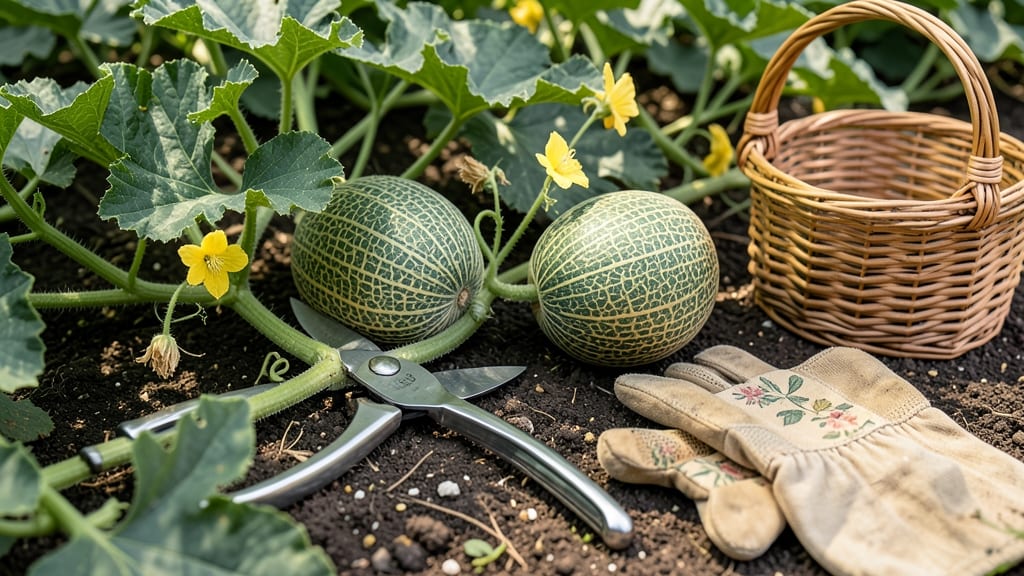
Knowing when to harvest cantaloupe from the garden means the difference between a meal of bland, watery slices and a dessert-worthy, juicy explosion of flavor 🍈 — and missing it by even a day can ruin everything.
You’ve nurtured your cantaloupe plants through the heat of summer, watching them sprawl and bloom, only to wonder: Is it ready yet? The answer lies in three simple but often overlooked clues—changes in the vine, the color of the rind, and a scent so sweet it practically sings to you.
Most gardeners wait too long, assuming bigger means better, but overripe cantaloupe turns mushy and loses its signature sweetness. Others pull them too soon, ending up with hard, underdeveloped fruit that tastes like nothing more than a sad cucumber.
In this guide, I’ll show you exactly how to spot the perfect moment to harvest your cantaloupe—no guesswork, no wasted fruit. You’ll learn the visual cues, the telltale aroma, and even a simple trick to test ripeness without cutting into the melon.


3 Visual and tactile signs your cantaloupe is ready to harvest
Harvesting cantaloupe at the right moment means the difference between a burstingly sweet fruit and a bland, underripe disappointment. Unlike some fruits that ripen off the vine, cantaloupe must be picked at peak ripeness—no exceptions.
The good news? Mother Nature gives you clear visual and tactile clues. I’ve harvested hundreds of cantaloupes, and these three foolproof signs never fail me.
First, pay attention to the rind color. A ripe cantaloupe develops a creamy yellow or tan hue with a distinct net pattern near the stem—this isn’t just any yellow, but a golden blush that signals sugar development.
If your melon still looks mostly green, it’s not ready yet. The color change is your first green light to check for other signs.
Next, give the stem a gentle twist. When cantaloupe is ripe, the stem should separate easily from the vine with just a slight tug—almost like it’s begging to be picked.
If the stem resists or snaps off cleanly without detaching, the fruit needs more time. This slip-and-stick test is my go-to method because it’s instant feedback from the plant itself.
Finally, trust your nose. A ripe cantaloupe emits a powerful, sweet aroma near the stem—think honey, musk, and ripe fruit all mixed together. If your melon smells bland or vegetal, it’s not ready.
This scent is your final confirmation that the sugars have fully developed. Pro tip: Sniff in the morning when temperatures are cooler for the most accurate reading.
| Sign | Unripe (Not Ready) | Ripe (Perfect) |
|---|---|---|
| Rind Color | Mostly green 🟢 | Cream/yellow with net pattern 🟡 |
| Stem Test | Stays attached 🤲 | Slips easily 🤲 |
| Scent | Bland or vegetal 👃 | Strong, sweet aroma 👃 |
| Texture | Firm all over | Slightly spongy near stem |
The texture near the stem is another subtle but critical clue. Press your thumb gently into the rind—ripe cantaloupe feels slightly spongy or soft near the blossom end (where the stem was attached).
If it’s hard as a rock, it’s not ready. This softness indicates the fruit’s internal sugars have fully developed, making it prime for picking.
One mistake I see often is relying on size alone. Just because a cantaloupe is big doesn’t mean it’s ripe—some varieties grow large but stay bland inside. Always cross-reference the three signs above before harvesting.
For example, I’ve had cantaloupes weigh 3 pounds but taste like water because they lacked the creamy rind and sweet scent.
Harvest in the early morning when temperatures are coolest. This ensures the fruit hasn’t overripe during the heat of the day. Use a sharp knife or pruners to cut the stem, leaving a 1-inch stem attachment on the melon.
This helps preserve freshness and prevents bruising. Store ripe cantaloupes at room temperature—never in the fridge—until you’re ready to enjoy them.
If you’re still unsure, pick a melon that’s 80% showing the cream/yellow color and let it ripen indoors for 1-2 days. But remember: cantaloupe doesn’t ripen well off the vine like tomatoes or avocados, so timing is everything. Master these three signs, and you’ll never waste another underripe cantaloupe again.
Now grab your gardening gloves and head to the patch—your sweetest cantaloupes yet are waiting to be harvested. 🍈
How to test cantaloupe ripeness: the nose, thump, and scent method
Sometimes visual cues like skin color or vine changes aren't enough to confirm cantaloupe ripeness. That's where your senses come in! The nose, thump test, and scent check reveal hidden clues about sweetness and readiness.
These methods work best when used together, especially on cloudy days or when cantaloupes ripen unevenly in your garden.
Start with the stem twist test, the most reliable sensory indicator. Gently grasp the stem between your thumb and forefinger and give it a quarter-turn twist. If it separates cleanly from the vine with minimal resistance, your cantaloupe is ready.
This happens because the stem naturally detaches as sugars concentrate in the fruit. If it resists or snaps off, wait a few days and test again.
Step-by-Step Sensory Ripeness Test
- Step 1: Scent Check
Press your nose near the stem end of the cantaloupe. A ripe cantaloupe should emit a powerful, sweet aroma—like a mix of honey and tropical fruit. If it smells bland or vegetal, it needs more time. - Step 2: Thump Test
Hold the cantaloupe in one hand and give it a gentle thump with the other. A ripe cantaloupe will sound hollow or slightly dull near the stem. If it sounds solid, it's underripe. - Step 3: Rind Texture
Press your thumb lightly on the skin near the stem. It should feel slightly spongy (like a ripe avocado). If it's hard or rubbery, it's not ready. - Step 4: Final Twist
Twist the stem again—this time with more confidence. It should slip free with a slight resistance. If it doesn't, wait 1-2 days and retest.
Don't dismiss the thump test just because it's controversial—it works! The hollow sound comes from the fruit's internal air pockets expanding as sugars develop. However, avoid thumping cantaloupes that are already soft or bruised, as this can damage the fruit.
For extra accuracy, combine the thump test with the scent check: a sweet-smelling cantaloupe that thumps hollow is a winner.
Timing matters too. Test cantaloupes in the morning after sunrise when temperatures are cooler. Heat can mask the scent and make the rind feel softer than it actually is. If you're harvesting in hot afternoons, wait until evening to test again.
Pro tip: Keep a small notebook near your garden to track which cantaloupes pass the scent and thump tests first—this helps you predict ripening patterns for future harvests.
What if your cantaloupe passes all tests but still tastes bland? It might be overripe. Overripe cantaloupes lose sweetness and develop a fermented or mushy texture. To avoid this, harvest cantaloupes within 24-48 hours of passing the sensory tests.
Store them at room temperature (not in the fridge) until you're ready to enjoy them—cantaloupes continue ripening slightly after harvest!
Now you're equipped to pick cantaloupes at their peak! Trust your senses—they're your garden's best quality control. Next time you're unsure, grab a cantaloupe, give it the full sensory test, and savor the reward of perfectly ripe, sweet fruit straight from your garden. 🍈