
Fertilization
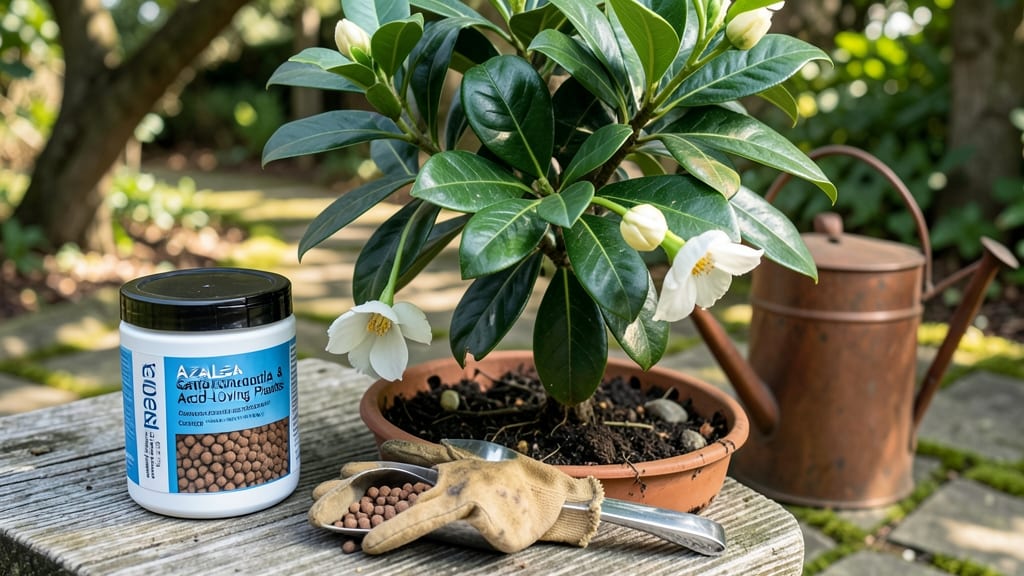
To fertilize gardenias for lush blooms, time it with their growth cycles—spring and summer are the key seasons, while fall and winter call for a pause.
Struggling to keep your gardenias blooming year-round? The secret isn’t just water or sunlight—it’s a precise fertilization schedule that matches their natural growth cycles. In USDA Zone 9b, where frost is rare, you can feed them almost year-round, but cooler zones like Zone 6 need a stricter spring-to-fall routine.
Most gardenias thrive on a monthly feeding from March through August, using a balanced fertilizer like 10-10-10 or an acid-loving blend. But here’s the catch: overdoing it in summer can scorch leaves, while skipping fall prep means fewer blooms next spring.
Below, I’ll break down the exact timing, fertilizer types, and soil prep tricks to keep your 🌸 gardenias flourishing—no guesswork required.
Best fertilization schedule for gardenias by season
Gardenias are glorious bloomers, but their fragrant flowers need precise nutrient timing to thrive. Unlike hardy shrubs, gardenias hate over-fertilization—especially in hot summers—so I’ve crafted a seasonal schedule that aligns with their growth cycles.
Whether you’re in USDA Zone 9b (warm climates) or Zone 6 (cooler regions), this plan ensures vibrant blooms without stressing your plants. 🌸
The key is feeding only during active growth. Gardenias enter dormancy in fall/winter, so fertilizing then can burn roots or encourage weak, leggy growth. Instead, we’ll focus on spring kickstarts and summer maintenance, with zero feeding in autumn/winter.
Let’s break it down by monthly tasks and climate adjustments to keep your gardenias healthy and blooming. ✂️
📋 SUMMARY TABLE: GARDENIA FERTILIZATION BY SEASON
| Season | Months (Zone 9b) | Months (Zone 6) | Fertilizer Type | Frequency | Amount | Notes |
|---|---|---|---|---|---|---|
| Spring | March | April | Balanced (10-10-10) or Acid-Loving (8-3-9) | Every 4 weeks | 1 tbsp/plant | Post-last frost; stimulates new growth |
| April | May | Balanced (10-10-10) | Every 4 weeks | 1 tbsp/plant | Peak blooming season; reduce to ½ tbsp if leaves yellow | |
| May | June | Slow-release granules | Every 6 weeks | ½ tbsp/plant | Avoid midday heat; water deeply after feeding | |
| Summer | June | July | Liquid feed (diluted) | Every 6 weeks | ¼ tbsp/plant | Light feeding only; high temps reduce absorption |
| July | August | None | — | — | Dormancy prep; focus on watering | |
| August | September | None | — | — | Stop fertilizing 6 weeks before first frost (Zone 6) | |
| Fall/Winter | September | October | None | — | — | Dormancy begins; no feeding |
| October | November | None | — | — | Zone 6: Mulch heavily; Zone 9b: Light watering only | |
| November–February | December–March | None | — | — | Dormant; resume feeding after last frost |
In spring, gardenias wake up hungry after dormancy. I start fertilizing in March (Zone 9b) or April (Zone 6), using a balanced 10-10-10 fertilizer to boost foliage and buds.
For acid-loving varieties, an 8-3-9 formula mimics their natural soil conditions. Pro tip: Mix fertilizer into the top 2 inches of soil—never apply to dry leaves! 💧
By summer, gardenias shift focus to blooming over growth. Here, I reduce feeding frequency to every 6–8 weeks and switch to slow-release granules or diluted liquid feed. Over-fertilizing now causes leaf burn or dropped buds.
In Zone 9b, I pause feeding entirely in August to prep for fall dormancy, while Zone 6 gardeners stop by early September to avoid late-season stress. ☀️
Fall and winter are critical rest periods for gardenias. I never fertilize from October through February, even in warm climates. Instead, I focus on mulching (2–3 inches of pine bark or compost) to insulate roots and retain moisture.
In Zone 6, I also protect plants with burlap wraps if temps drop below 30°F. This dormancy period ensures stronger blooms next spring. 🌿
One common mistake is fertilizing newly planted gardenias. For the first 6–8 weeks after transplanting, focus on <
Signs your gardenias need fertilizer (and when to avoid it)
Your gardenias might be whispering for nutrients even when they’re not shouting with wilted leaves. Yellowing leaves, especially on older growth, often signal nitrogen deficiency, while sparse or small blooms can mean phosphorus is lacking.
Don’t ignore these cues—they’re your plant’s way of asking for help before it’s too late.
But here’s the catch: over-fertilizing can be just as damaging as under-feeding. Too much nitrogen leads to lush foliage but fewer flowers, while excess salts from synthetic fertilizers can burn roots. It’s a delicate balance, and timing matters almost as much as the type of fertilizer you choose.
⚠️ callout warning
⚠️ When NOT to Fertilize Gardenias
- Winter months (Nov–Feb): Plants enter dormancy in cooler zones (Zone 6 or below). Fertilizing wakes them up too early, stressing roots.
- After pruning: Wait 4–6 weeks to let cuts heal before feeding. Fresh wounds are vulnerable to fertilizer burn.
- During drought: Never fertilize when soil is dry. Moisture stress + fertilizer = root damage. Water first, then feed.
- Newly planted gardenias: Skip fertilizer for 6–8 weeks post-transplant. Focus on establishing roots in undisturbed soil.
🌱 Pro Tip: Always test soil pH before fertilizing. Gardenias thrive in acidic soil (pH 5.0–6.0). If your soil is neutral or alkaline, amend it first with peat moss or sulfur.
Pay attention to leaf color changes—dark green leaves with purple stems often mean phosphorus deficiency, while crispy leaf edges could signal potassium issues. These visual cues help you tailor your fertilizer choice, whether it’s a balanced 10-10-10 for general health or a low-nitrogen, high-phosphorus blend to boost blooms.
Seasonal timing is critical. In warm climates (Zone 9b+), gardenias grow year-round, so you can fertilize lightly every 6–8 weeks. But in cooler zones (Zone 6–8), focus on spring feeding (March–April) to kickstart growth and a light summer feed (June–July) to support blooming.
Avoid fertilizing in fall or winter—your plant is resting, not feeding.
One red flag I can’t stress enough: bud drop. If your gardenia sets buds but drops them before opening, it’s often a sign of nutrient imbalance or stress from over-fertilization.
Cut back on feeding immediately, increase watering, and move the plant to shadier conditions to reduce stress. Patience here pays off—healthy roots lead to abundant, fragrant blooms next season.
Remember, gardenias are heavy feeders but sensitive plants. The key is to match your fertilization schedule to their natural growth cycles, not your calendar. When in doubt, less is more—you can always add fertilizer later, but you can’t undo root damage from overdoing it.