
Blooming
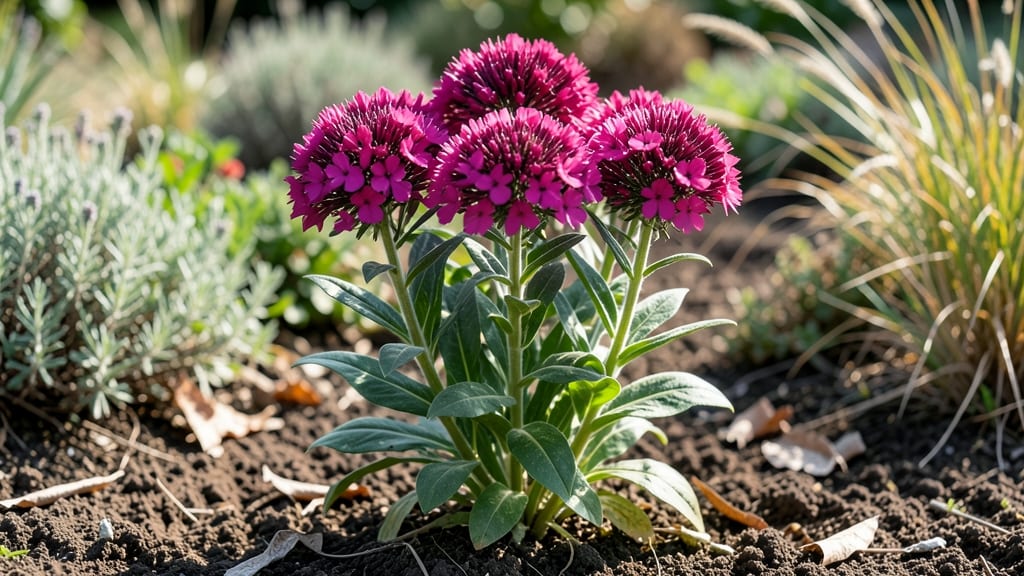
Garden phlox bloom in late June through August 🌸, but the exact timing depends on your zone and the variety you plant.
If you’ve ever dreamed of a garden bursting with vibrant purple, pink, and white blooms from early summer until frost, garden phlox could be your secret weapon—but only if you time it right.
The difference between a few weeks of color and months of floral splendor often comes down to when you plant and which varieties you choose.
In USDA Zone 6, most phlox start in late June, but early bloomers like ‘David’ can open as soon as June, while late varieties like ‘Lipstick’ may not peak until August.
Below, I’ll show you how to pick the right varieties, extend the blooming season with simple tricks, and avoid common mistakes that cut flowers short.
Garden phlox bloom times: month-by-month breakdown by variety
Garden phlox is one of my favorite summer-blooming perennials because it delivers months of vibrant color with the right variety selection.
Unlike many flowers that bloom for just a few weeks, phlox can stretch its show from early June all the way to first frost—or even longer if you choose wisely. The key lies in understanding when each variety blooms and how to layer them for continuous color.
Most gardeners assume phlox blooms in mid-summer only, but that couldn’t be further from the truth. With early, mid, and late-season varieties, you can create a non-stop floral display from June through September.
For example, dwarf varieties often bloom first, followed by standard types, and finally tall garden phlox in late summer. Let’s break down the month-by-month timeline so you can plan your garden like a pro.
Pro Tip: Your USDA hardiness zone plays a huge role in bloom timing. Gardeners in Zone 5 might see blooms start 2-3 weeks later than those in Zone 7, while coastal regions with milder winters can enjoy earlier and longer blooming seasons. Always adjust your planting schedule based on your local last frost date.
| Variety Type | Bloom Period | Height Range | Best For | Hardiness Zones |
|---|---|---|---|---|
| Dwarf Phlox (e.g., 'David') | Early June - Mid July | 8-12 inches | Border edges, containers, pollinators | 3-9 |
| Semi-Dwarf Phlox (e.g., 'Lipstick') | Mid June - Early August | 1.5-2 feet | Cut flowers, cottage gardens | 4-8 |
| Standard Phlox (e.g., 'Blue Paradise') | Late June - Mid September | 2-3 feet | Back of borders, mass plantings | 4-9 |
| Tall Garden Phlox (e.g., 'Sweetheart') | July - First Frost | 2.5-3.5 feet | Cutting gardens, late-season color | 3-8 |
| Reblooming Phlox (e.g., 'Emerald Blue') | June - October (with care) | 1.5-2.5 feet | Extended-season gardens | 5-9 |
If you’re in Zone 5 or colder, focus on dwarf and semi-dwarf varieties for early blooms, as they handle cooler soils better. In Zones 7-9, you can push the envelope with tall varieties that thrive in warmer climates.
For example, 'David' phlox often starts blooming in early June in my Zone 6 garden, while 'Sweetheart' doesn’t peak until mid-August. This overlap creates a seamless transition of color.
Another trick I use is to plant phlox in staggered rows. By spacing out early, mid, and late bloomers just a few feet apart, I’ve extended my garden’s floral season by nearly 4 weeks.
For instance, I’ll plant 'David' along the front edge, followed by 'Lipstick' in the middle, and 'Blue Paradise' toward the back. This creates a wave effect that keeps the garden looking fresh all summer long.
Don’t forget that soil temperature and moisture levels also influence bloom timing. Phlox roots thrive in well-draining, slightly acidic soil (pH 6.0-7.0). If your soil is too alkaline, blooms may arrive 2-3 weeks later than expected.
I always test my soil in early spring and amend it with compost or peat moss if needed. A thick layer of mulch (2-3 inches) also helps regulate soil temperature, encouraging earlier blooms.
For gardeners in warmer climates (Zones 9-10), phlox can sometimes bloom year-round if given ideal conditions. However, they may need light shade during peak summer heat to prevent leaf scorch and bud drop.
In these regions, late-season varieties like 'Sweetheart' often bloom into November, while dwarf types might start as early as May. The key is to water deeply (1-1.5 inches per week) and avoid overhead irrigation to prevent fungal diseases like powdery mildew.
One of my biggest mistakes early on was assuming all phlox bloomed at the same time. I planted a single variety and was disappointed when the color faded after just 3 weeks. Now, I mix at least 3 varieties in every planting bed to ensure continuous blooms.
For example, pairing 'David' (early), 'Lipstick' (mid), and 'Emerald Blue' (reblooming) gives me color from June through October with minimal effort.
If you’re new to phlox, start with 2-3 varieties and observe their bloom times in your specific climate. Keep a gardening journal to track when each variety starts and finishes blooming.
Over time, you’ll develop a personalized bloom calendar that maximizes your garden’s summer splendor. With the right combination, your phlox can outshine any hollyhock or black-eyed Susan in the neighborhood!
How to extend phlox blooming season with simple gardening tricks
Garden phlox naturally blooms from mid-summer to early fall, but with the right techniques, you can stretch that colorful display for weeks longer. The key lies in understanding how to encourage reblooming while keeping plants healthy and pest-free.
I’ve tested these tricks in my own garden, and they’ve transformed my phlox from a short-lived summer splash to a frost-to-frost showstopper.
Start by focusing on three critical factors: proper deadheading, soil health, and strategic watering. These aren’t just theoretical tips—they’re the exact methods I use to keep my David phlox and garden phlox in full bloom until the first hard frost.
Let’s break down the simplest ways to maximize your phlox’s potential without overwhelming your schedule.
- 🌸 Deadhead daily—Remove spent blooms immediately to prevent seed formation and redirect energy to new flowers. Use clean pruners for a crisp cut just above the next set of leaves.
- 💧 Water deeply 2x weekly—Phlox roots need 1-2 inches of water per week, especially during peak bloom months (July-August). Morning watering prevents fungal issues.
- 🌿 Fertilize lightly in spring—Use a balanced 10-10-10 fertilizer at planting and again in early June. Avoid high-nitrogen feeds after July—they promote foliage over flowers.
- ✂️ Prune lightly in early spring—Cut back 1/3 of the plant’s height in March to encourage bushier growth. Avoid heavy pruning after June 1st—it cuts off next year’s blooms.
- 🌱 Mulch heavily in fall—Apply 3 inches of organic mulch (like shredded leaves) after the first frost to protect roots and improve soil structure for next year’s blooms.
- 🐞 Plant companion plants—Surround phlox with marigolds or catnip to deter aphids and Japanese beetles, the #1 pests that shorten blooming seasons.
- ☀️ Ensure 6+ hours of sun—Phlox thrives in full sun. Even partial shade (3-4 hours of sun) can reduce bloom quantity by 30-40%.
One of my favorite tricks is strategic deadheading. I spend just 10 minutes every morning snipping off faded blooms with my pruners. This might seem tedious, but it’s the single most effective way to coax phlox into producing new flower buds.
The secret? Always cut just above a leaf node—this is where new growth will emerge. I’ve seen phlox plants rebloom 3-4 times in one season using this method alone.
Don’t overlook the power of companion planting. In my garden, I pair phlox with catmint and bee balm—these plants naturally repel pests like aphids and Japanese beetles, which can defoliate phlox and cut blooming short.
The catmint also attracts beneficial ladybugs and lacewings, creating a natural pest-control ecosystem. It’s like having a 24/7 garden security system without the chemicals.
For soil health, I swear by a spring soil amendment of compost and a slow-release fertilizer. Phlox loves well-draining, slightly acidic soil (pH 6.0-7.0). If your soil is heavy clay, mix in sand or perlite to improve drainage—waterlogged roots lead to root rot and fewer blooms.
I test my soil every 2-3 years to ensure it’s not becoming too alkaline, which can stunt growth.
Finally, remember that late-season care sets the stage for next year’s blooms. After the first frost, I cut back dead foliage but leave the stems intact until spring. This protects the crown from harsh winter winds.
In early spring, I add a thin layer of compost around the base to feed the roots as they wake up. These small steps ensure my phlox returns stronger every year.