
Size
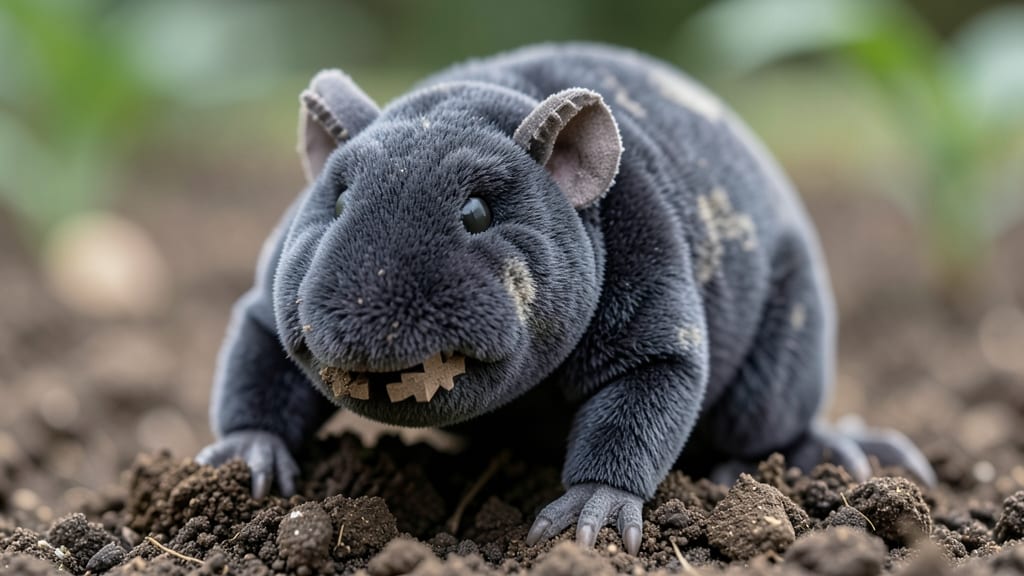
In Grow a Garden Roblox, moles eat worms, bugs, and grubs found in soil, mimicking their real-life diet of insects and larvae while helping players clear pests from garden plots. Their in-game behavior aligns with their role as natural pest controllers in gardens.
Moles in Grow a Garden Roblox are designed to mirror their real-world counterparts, which primarily feast on soil-dwelling creatures like earthworms, beetle larvae, and grubs. 🌱 This in-game diet isn't just for realism—it actually helps players by reducing pests that could harm crops.
The game simplifies their behavior compared to real life, where moles tunnel extensively underground, but keeps the core function of pest control intact.
What makes this mechanic fun is how moles interact with garden plots. They don't just eat pests—they also provide bonus rewards when players use them strategically.
Unlike real moles, which can cause damage by tunneling, the Roblox version focuses solely on beneficial pest removal, making them a valuable tool for players aiming to maximize their garden's productivity.
💡 In This Article
- Real-Life Mole Diet: Insects, Grubs, and Garden Pests
- How Moles Function in Grow a Garden Roblox Mechanics
Real-life mole diet: insects, grubs, and garden pests
Real moles are specialized insectivores, primarily consuming earthworms (40-70% of their diet), beetle larvae, grubs, and other soil-dwelling invertebrates.
Their diet is almost entirely protein-based, with studies showing they ingest up to 70 pounds of food annually—equivalent to a human eating 1,500 pounds of meat per year. 🌿 This high-protein intake supports their energetic tunneling lifestyle, where they dig 15-20 feet of tunnels per day in search of prey.
Their feeding habits actually benefit gardens by controlling pest populations. In nature, moles help regulate harmful insects like Japanese beetle larvae, which are notorious crop destroyers. However, their extensive tunneling can damage plant roots and lawns, creating the "molehills" that gardeners often despise.
The contradiction lies in their dual role: while they're ecological pest controllers, their physical presence disrupts garden structure. This duality explains why gardeners both appreciate and resent moles in real life.
Moles locate prey primarily through vibrations and scent, using their sensitive whiskers and noses to detect movement underground. Their diet varies seasonally—spring and summer offer more grubs and worms, while autumn provides beetle larvae.
This seasonal variation affects mole activity patterns, with peak digging occurring during warmer months when insect populations surge. 🐛 The game simplifies this complexity by making moles instantly available for pest control, removing the ecological trade-offs of real-world mole behavior.
Interestingly, moles rarely eat plant material or seeds, despite living in soil. Their digestive systems are adapted solely for processing animal protein, making them true carnivores. This specialization contrasts with other burrowing animals like gophers, which consume both plants and insects.
The Roblox game captures this dietary focus by limiting mole consumption to bugs and worms, reinforcing their role as specialized pest controllers rather than generalist diggers.
In real ecosystems, moles play a crucial role in nutrient cycling. Their tunneling aerates soil and mixes organic matter, while their waste deposits nutrients. This ecological service is entirely absent from the Roblox version, where moles exist purely as functional tools for players.
The game's simplification highlights how developers prioritize gameplay mechanics over ecological accuracy, creating a more streamlined (but less complex) representation of real mole behavior.